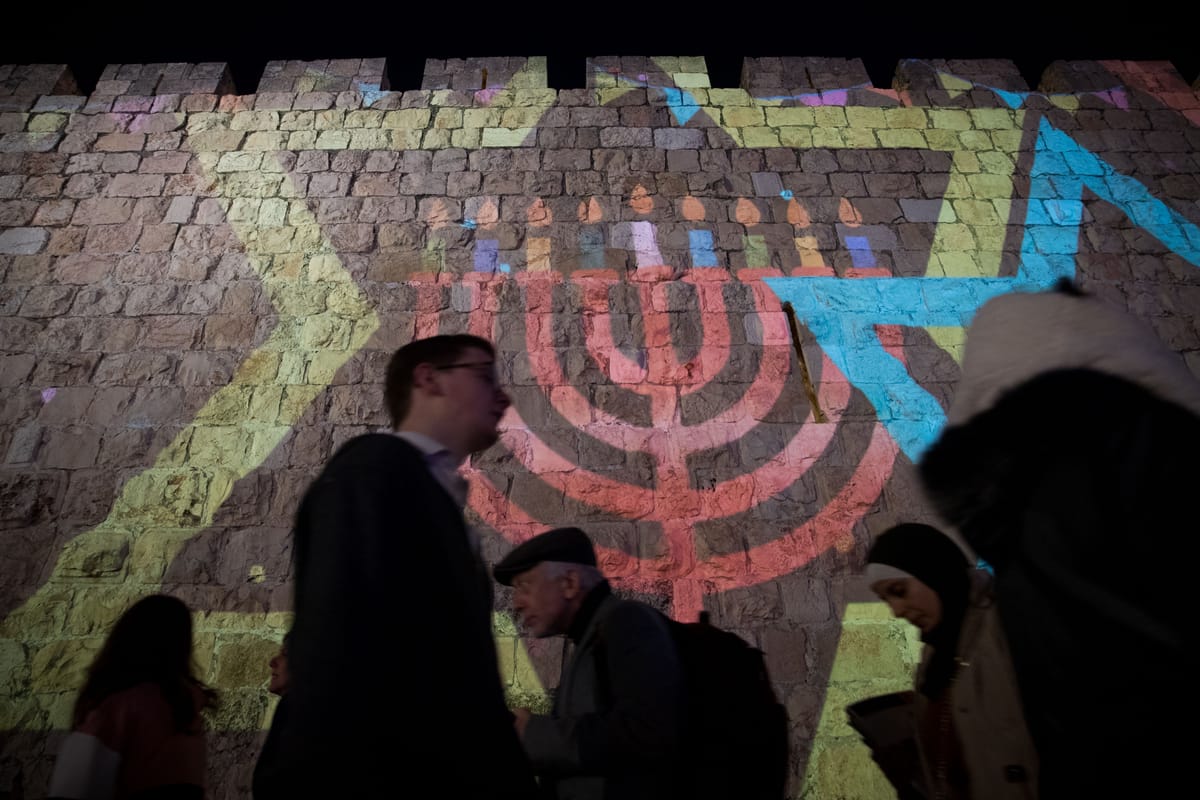
When Chanuka ends, there’s a familiar rhythm to it. We scrape the wax, pack away the chanukia, hum the songs one last time, and tell ourselves that the holiday has passed. Eight nights of light, and now we return to regular life.
But Chanuka was never meant to end that way.
It isn’t a story meant for storage. It isn’t a memory we revisit once a year and then set aside. Chanuka is about what Jews do when the world grows darker and staying quiet stops being safe. The candles don’t mark the end of danger. They mark the refusal to accept it as permanent.
This year, that refusal felt painfully necessary. Chanuka unfolded against a backdrop of fear that many Jews recognized instinctively. In Australia, the Bondi Beach pogrom shattered assumptions people didn’t even realize they were still holding. A place associated with leisure and openness became a site of terror. Jews were targeted openly, and the shock was not just what happened, but where it happened, and how quickly the sense of safety evaporated.
In Israel, of all places, two separate incidents saw Arabs extinguishing chanukiot in public spaces. Candles lit quietly and peacefully were deliberately snuffed out. No elaborate violence, no chaos, just a simple, ugly message. You are not welcome to shine here.
These moments were not interruptions to Chanuka. They were reminders of why Chanuka exists at all.
The original story did not unfold in a vacuum. Jewish life was under pressure from authority, from neighbors, and from the constant suggestion that safety could be bought with silence. The Temple was desecrated. Jewish practice was restricted. Assimilation was presented as the reasonable path forward. Resistance was framed as unnecessary, even dangerous.
Matityahu and his sons were not trying to become legends. Judah and his brothers were people who sensed that something essential was slipping away and that waiting would only hasten it. They acted not because they knew how the story would end, but because they knew how it would end if they did nothing.
We often talk about the miracle of Chanuka as if it began with oil. It didn’t. It began with resolve. Pride came before peace. Courage came before candles. The light followed action, not the other way around.
That’s what makes it tempting, and risky, to turn Chanuka into comfort. We light for eight nights, feel strengthened, and then quietly retreat. We admire the Maccabees from a safe distance, grateful they existed so we don’t have to be like them. We celebrate survival without sitting with what survival actually requires.
The Chanukia teaches something more honest. One flame is never enough. Light has to be renewed. Each night adds another candle because courage doesn’t last on sentiment alone. It needs repetition. It needs intention. It needs to be carried.
And fear doesn’t politely disappear when the holiday ends. Antisemitism did not pause for Chanuka in Australia. It did not pause in Israel. It will not pause now that the candles are gone. Putting the story back in the cabinet risks turning bravery into nostalgia and pride into ritual.
Jewish pride is not about shouting or posturing. It is about presence. It is about showing up as Jews without apology, without shrinking, without asking permission to exist visibly. The Maccabees didn’t fight so Jews could feel safe behind closed doors. They fought so Jews could live openly.
The fighting spirit of Judah and his brothers is often misunderstood. It wasn’t rage. It was clarity. They knew who they were. They knew what was at stake. And they understood that reassurance is not protection.
Carrying Chanuka forward doesn’t mean living in fear. It means living awake. It means taking the light we kindled and letting it guide how we stand, how we speak, how we refuse to disappear once the holiday ends.
The oil burned longer than expected, but only because someone lit it. The Temple was rededicated, but only after it was reclaimed. Chanuka ends. The candles go out. But the miracle doesn’t have to, unless we decide to leave it behind.