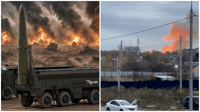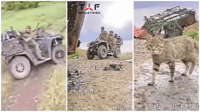
Ukraine’s drone raids on Russian long-range bombers were “unprecedented” and even compared to Pearl Harbor by some war bloggers.
Ukrainian President Volodymyr Zelenskyy claimed significant Russian losses. Dmitry Medvedev, a key ally of Vladimir Putin, warned that “retribution is inevitable,” though Russia’s response was notably delayed, suggesting possible embarrassment or uncertainty about how to retaliate.
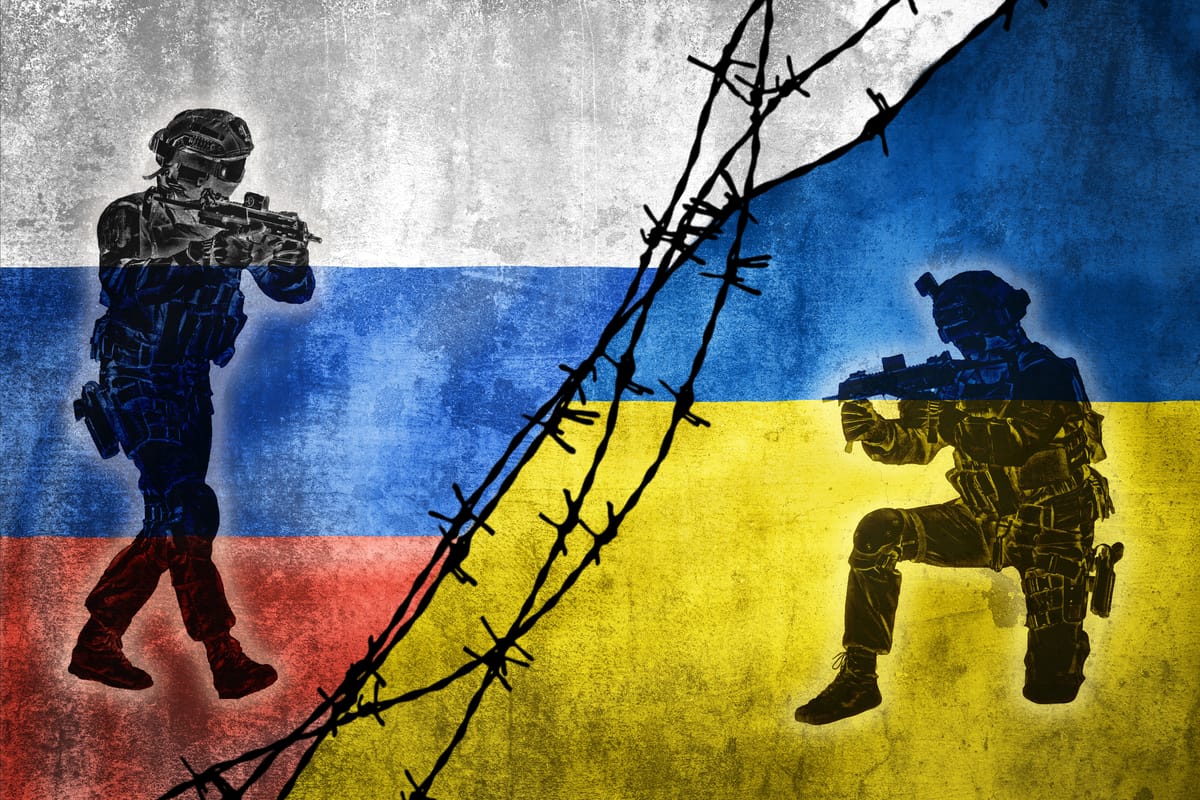
Could this trigger World War III?
The risk of escalation exists, but several factors make a global conflict unlikely based on this incident alone:
- Context of the Attack: Ukraine’s drone strikes were a response to ongoing Russian aggression, including a deadly attack on Sumy that killed at least three people and injured 25, which Zelenskyy called a “savage strike” on civilians. The Ukrainian operation, dubbed “Spiderweb,” targeted military infrastructure, not civilian areas, which may limit Russia’s justification for a disproportionate response.
- Russian Response and Restraint: The delayed and muted reaction from Moscow, as noted by Sky News, suggests Russia may wish to downplay the attack to avoid highlighting its vulnerabilities. While Medvedev’s rhetoric is aggressive, Russia’s focus on ongoing peace talks in Istanbul and its failure to immediately escalate militarily indicate a desire to avoid drawing in other powers.
- International Dynamics: The U.S., under President Trump, is pushing for a peace deal, with envoy Steve Witkoff engaging in talks with Putin. European leaders like France’s Emmanuel Macron and the UK’s Keir Starmer are advocating for a “reassurance force” to deter Russian aggression post-war, but NATO has avoided direct military involvement. Russia has repeatedly warned against Western troops in Ukraine, but Putin has not explicitly threatened nuclear escalation over this specific attack. Meanwhile, Zelenskyy has called for stronger global pressure and sanctions, not NATO membership, which reduces the immediate risk of triggering NATO’s Article
- Historical Perspective: Zelenskyy’s 2022 warning to NBC News that Russia’s invasion could mark the start of World War III was tied to the broader implications of Ukraine’s potential fall, not specific retaliatory strikes. The current situation, while tense, is part of an ongoing tit-for-tat conflict rather than a new escalation involving global powers. Posts on X claim Zelenskyy’s actions aim to provoke NATO involvement, but these lack evidence and reflect speculative sentiment rather than policy reality.
- Mitigating Factors: Ongoing peace talks, though stalled, and Ukraine’s insistence on seeing Russia’s ceasefire proposals before further negotiations suggest both sides are still engaging diplomatically. The U.S. and European allies are focused on sanctions, like Senator Lindsey Graham’s proposed 500% tariff on countries buying Russian oil, rather than military escalation. Russia’s nuclear threats, as reiterated by Sergei Shoigu in April 2025, are part of its routine saber-rattling and not directly tied to this attack.
However, risks remain. If Russia’s promised “retribution” involves a significant escalation, such as targeting Western-supplied assets or infrastructure in NATO countries, it could draw in other powers. The election of Poland’s Karol Nawrocki, who is critical of Ukraine’s NATO aspirations, and Trump’s push for a deal that could cede Ukrainian territory to Russia add uncertainty. Any miscalculation, for example a Russian strike perceived as crossing a NATO red line, could spiral.