Iran’s football federation is seeking guarantees from FIFA over its national team’s participation in the 2026 World Cup, including a demand that only officially recognized national flags be displayed during Iran’s matches.
The Football Federation of the Islamic Republic of Iran published a list of conditions through its official website and state media, saying the team would compete “without any retreat from our beliefs, culture and convictions.” The demands include visa guarantees for players, coaches and officials, enhanced security, respect for Iran’s flag and anthem, and restrictions on flags and symbols inside stadiums.
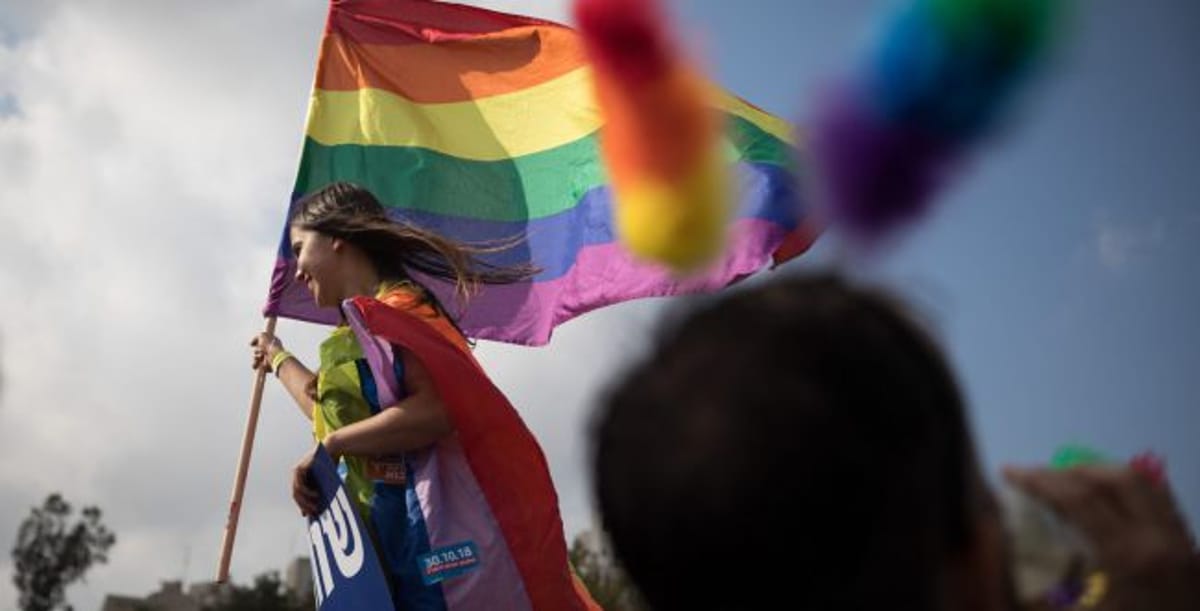
The flag demand could directly affect Iran’s June 26 match against Egypt in Seattle, which has been designated a “Pride Match” by the local World Cup organizing committee. If enforced, Iran’s condition would likely prevent fans from displaying rainbow Pride flags in the stands. Naturally, because even soccer has now been drafted into humanity’s global committee meeting on identity, sovereignty and fabric.
The issue is especially sensitive because homosexuality is punishable by death in Iran. Egypt does not have a specific law banning same-sex relations, but morality laws have been used to prosecute LGBTQ people, with penalties that can include imprisonment, hard labor, fines and deportation.
Both Iran and Egypt objected after the Seattle match was designated a Pride Match. Iranian federation president Mehdi Taj previously called the decision an “irrational move that supports a certain group.”
FIFA has not publicly responded to Iran’s latest demands. The tournament’s human rights framework, published in 2024, commits organizers to respecting peaceful assembly and freedom of expression, while also identifying LGBTQ people as among groups at higher risk of harm.
Seattle’s local organizing committee has continued to promote inclusive programming around the match. Pride-themed public artwork has been installed in the city, and an official Pride Match Day scarf, designed by local artist Kelly Bjork, is expected to be worn and displayed by fans during match-related events.
Iran’s request could also apply beyond Pride symbols. Supporters have noted that the federation may seek restrictions on the historic Iranian Lion and Sun flag, used by many Iranian opposition activists, as well as slogans such as “Woman, Life, Freedom,” which appeared during the 2022 World Cup.
The visa issue may also be complicated. Iran is one of two World Cup countries whose citizens are subject to a full US travel ban, along with Haiti. The federation is seeking assurances that all delegation members will be allowed to enter, including individuals with past links to the Islamic Revolutionary Guard Corps, which is designated as a terrorist organization by the US and Canada.
Some of Iran’s demands fall under FIFA’s control, but others, including visas and security vetting, will depend on national governments.