
How low will he go?
Tucker Carlson: "Bill Ackman is Dumb, Bari Weiss is an Idiot" | WATCH
•news-world


Comprehensive coverage of journalist and author Bari Weiss, including her commentary on media, culture, politics, and her work as founder of The Free Press
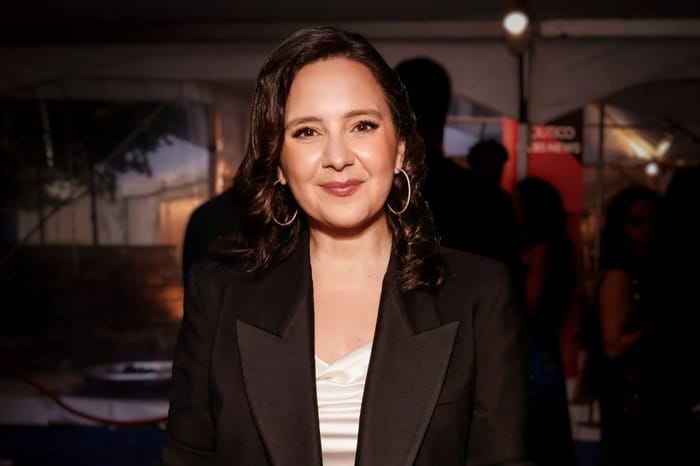
Bari Weiss is an American journalist, author, and media entrepreneur who has become a prominent voice in contemporary cultural and political discourse. She is the founder and editor of The Free Press, an independent media platform launched in 2021. Weiss is married to Nellie Bowles, a journalist and author, and the couple resides in the United States. Known for her commentary on free speech, cancel culture, and institutional integrity, Weiss has established herself as a significant figure in debates about journalism, academia, and American public life.
Weiss gained national prominence through her work at major publications including The Wall Street Journal and The New York Times, where she served as an opinion writer and editor. Her tenure at these institutions, particularly her departure from The New York Times in 2020, sparked widespread discussion about newsroom culture, ideological diversity in media, and the challenges facing journalists who challenge prevailing narratives. Her resignation letter, which criticized what she described as an illiberal environment and Twitter-driven editorial decisions, became a focal point in debates about journalism standards and workplace dynamics.
The Free Press, Weiss's independent media venture, represents her vision for journalism that prioritizes intellectual curiosity, heterodox perspectives, and rigorous reporting. The platform covers a wide range of topics including politics, culture, technology, and international affairs, with a stated commitment to editorial independence and diverse viewpoints. The publication has attracted both subscribers and contributors who seek alternatives to traditional media outlets, positioning itself as part of a broader movement toward independent journalism.
Weiss is also an accomplished author, having written books that explore themes of identity, antisemitism, and American Jewish life. Her work examines the intersection of cultural identity and contemporary politics, drawing on both personal experience and investigative reporting. Her writing has contributed to ongoing conversations about religious and ethnic identity in modern America, particularly regarding the experiences of Jewish Americans and the rise of antisemitism across the political spectrum.
Throughout her career, Weiss has been a vocal advocate for free speech principles and intellectual diversity, particularly in academic and media institutions. She has documented and commented on controversies involving campus speech codes, academic freedom, and the treatment of dissenting voices in various professional settings. Her commentary often focuses on what she describes as threats to open discourse from both progressive and conservative movements, positioning her work at the center of debates about liberalism and institutional reform.
Weiss's influence extends beyond traditional journalism into public speaking, podcasting, and digital media. Her podcast "Honestly with Bari Weiss" features long-form conversations with newsmakers, intellectuals, and cultural figures, covering topics that range from geopolitics to technology to social movements. The podcast has become a significant platform for in-depth discussions that often challenge conventional wisdom and explore controversial subjects with nuance.
Her work continues to generate both support and criticism, reflecting her position as a polarizing figure in contemporary media. Supporters praise her courage in addressing difficult topics and challenging institutional orthodoxies, while critics question her framing of certain issues and her role in broader cultural debates. Regardless of perspective, Weiss remains an influential voice whose commentary shapes discussions about journalism, free expression, and the future of American media.