Contaminated Hunt: The Scary Mystery of Germany’s "Radioactive" Wild Boars Solved
Why are Germany's boars still radioactive? A deep-soil mystery involving atomic bombs and toxic truffles has forced hunters to destroy thousands of animals.
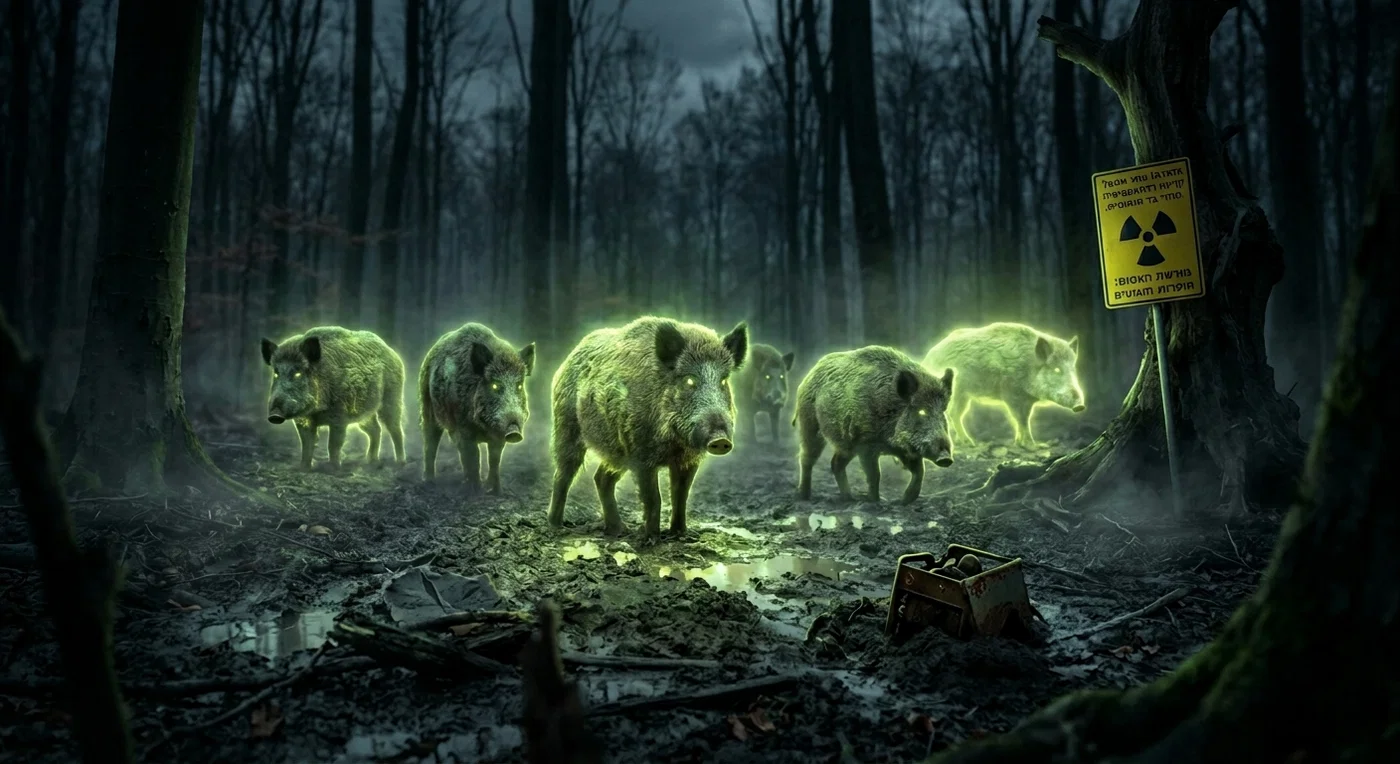
In the past year alone, hunters in Germany were forced to destroy approximately 2,927 wild boars after they were found to contain excessive levels of Cesium-137 in their meat. This phenomenon, dubbed the "Wild Boar Paradox," has puzzled scientists for years: why have radioactivity levels in other forest animals plummeted over time, while remaining mysteriously and dangerously high in wild boars?
Beyond Chernobyl: The Atomic Legacy
New research reveals that the 1986 Chernobyl disaster is not the sole culprit, as previously assumed. An analysis of meat samples from the state of Bavaria has shown that nuclear weapons tests conducted in the mid-20th century (60 to 80 years ago) are also responsible for the persistent contamination.
Using advanced technology to measure the ratio between Cesium-135 and Cesium-137, scientists can distinguish the source of radiation: a high ratio indicates nuclear weapon explosions, while a low ratio points to nuclear reactors. The findings showed that in 88% of the samples, radiation levels exceeded Germany's legal safety limit.
The Truffle Connection
The reason this persists specifically in wild boars lies in their unique diet. These animals feed on underground truffles and plants that absorb cesium from the soil. Radioactive cesium percolates very slowly through ground layers, reaching these deep-seated fungi long after the initial contaminating event. Consequently, wild boars continue to consume "leftover" radiation from decades ago.
Ecological and Financial Impact
The contamination has led to an overpopulation of wild boars, as hunters cannot sell the meat for consumption and many avoid the hunt altogether. To manage the situation, German authorities provide compensation to hunters: approximately €204 for an adult boar and €102 for a piglet that must be destroyed.
Experts warn that any future nuclear accidents could exacerbate the current situation and compromise food safety for decades to come. The study emphasizes that strategic decisions made by world powers nearly a century ago continue to impact the environment, wildlife, and human food sources today.