Get our mobile app
Download on the App StoreGet it on Google Play

Profile

The Uri Maklev Story

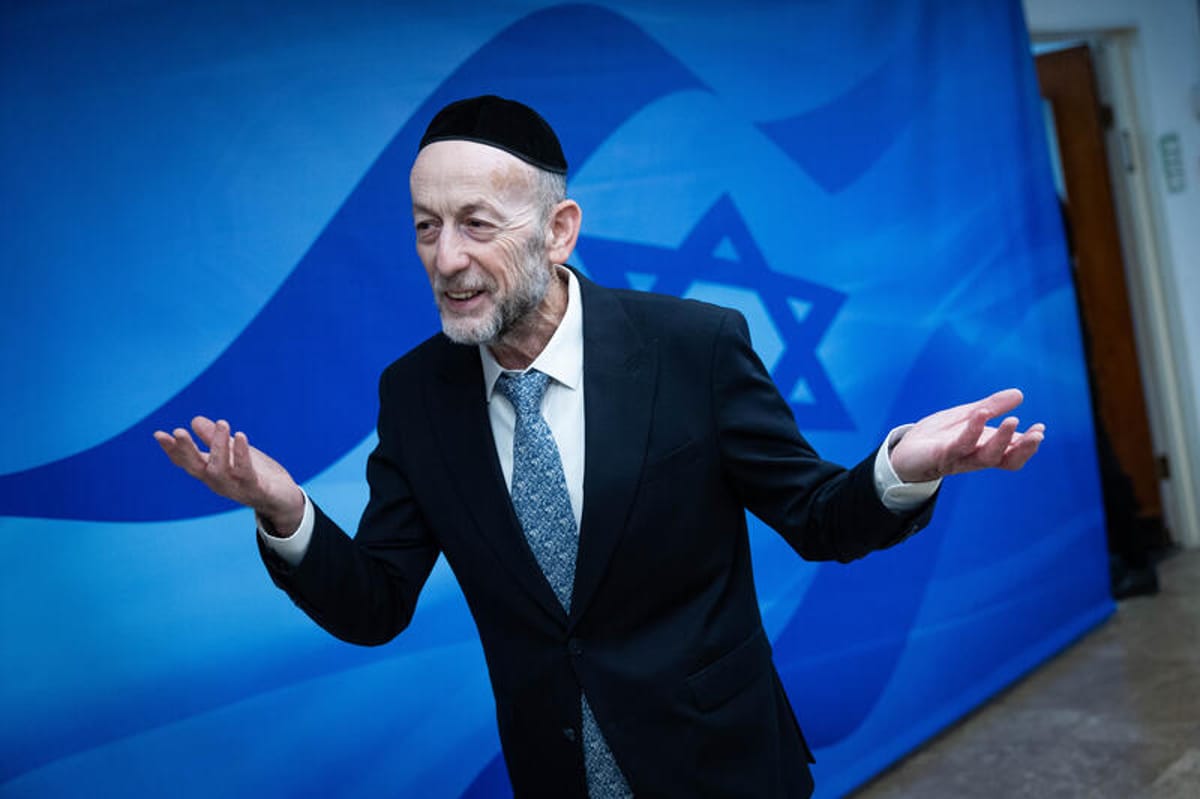
From Jerusalem municipal politics to the Knesset and government ministries, Uri Maklev embodied a unique model of haredi public service: less noise, more results; total loyalty to gedolei Yisrael, and a partnership with Moshe Gafni that defined Degel HaTorah for two decades

Uri Maklev

Some politicians shout their way to the headlines, chasing the spotlight at every turn. Others choose to work quietly behind closed doors, closing circle after circle, leaving a deep imprint on the state apparatus without ever losing a moment of ideological loyalty.

For nearly four decades, Uri Maklev embodied a distinctive model of haredi public service: a man who rose from the turbulent municipal arena of Jerusalem, became the trusted confidant of gedolei Yisrael, and conducted a parliamentary and governmental career rich in achievement, navigating between individual needs and national-level public activity, including heading the Haredi Authority in the Prime Minister's Office.

Now, with the dramatic generational transition in the Degel HaTorah leadership, it's time to tell the story of one of the pillars of haredi politics.

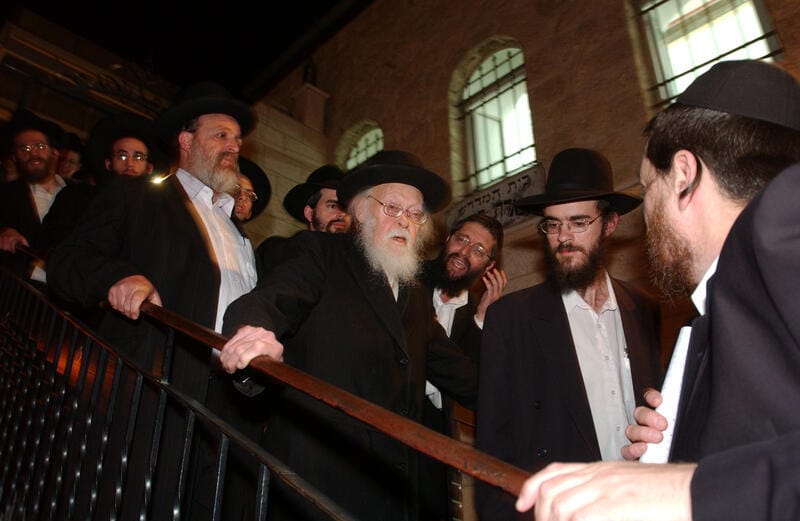
Maran Harav Elyashiv zt"l
Maran Harav Elyashiv zt"l (Photo: Flash90)

Jerusalem Roots

Yisrael Meir Uri Maklev was born in 1957 in Bnei Brak and studied at core institutions of the Lithuanian yeshiva world—Yeshivat Kol Torah and Ponevezh.

He acquired most of his administrative experience in the local Jerusalem arena. From 1993, he served for approximately fifteen years as deputy mayor and executive board member under Uri Lupolianski.

During this period he managed the haredi education portfolio, grappled with accelerated demographic growth, and participated in the finance, planning, and construction committees.

He also served on the board of the Hagihon water corporation and the Jerusalem International Convention Center.

This work gave him thorough mastery of bureaucratic mechanisms and provided the foundation for the meticulous public work that characterizes him to this day—precision, patience, and the ability to close matters without unnecessary noise.

The transition from Jerusalem City Hall to the Knesset was no ordinary leap; Maklev brought with him deep municipal understanding to the national arena, translating real needs on the ground into the language of governmental action.

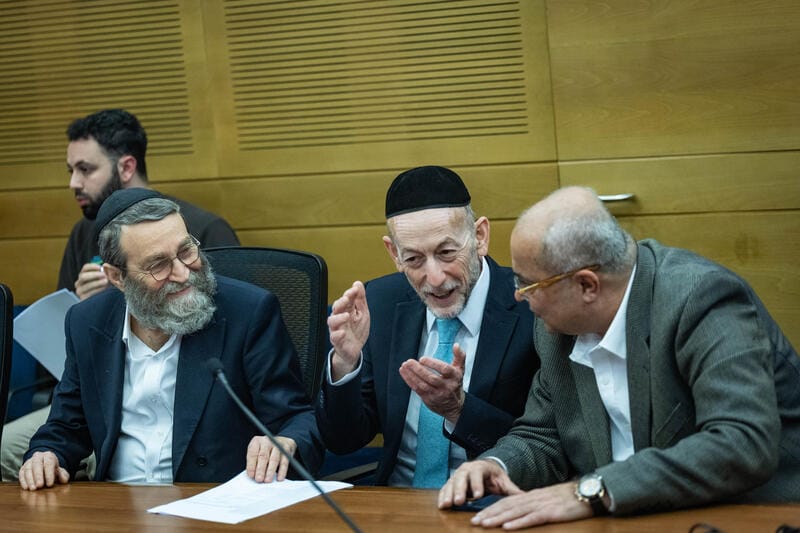
Uri Maklev and Moshe Gafni
Uri Maklev and Moshe Gafni (Photo: Yonatan Sindel / Flash90)

Loyalty to Daas Torah and Two Contrasting Models at the Top

Within Degel HaTorah's political structure, Maklev was identified above all as the faithful emissary and confidant of the generation's leaders. The national turning point came with the direct instruction of Maran Hagaon Rabbi Yosef Shalom Elyashiv zt"l, who appointed him as Knesset representative in 2008.

Maklev served as a quiet, close communication channel between the mission of daas Torah and centers of governmental power, and throughout his path continued to operate under the guidance of gedolei hador—Maran Hagra"l Shteinman, Maran Rabbi Chaim Kanievsky, and Maran Hagry"g Edelstein zt"l.

This commitment to halacha and gedolei Yisrael always combined in him with a practical, statesmanlike approach that won the hearts of officials and Knesset members across the political spectrum.

To understand Maklev's operation in depth, one must examine the fascinating partnership he conducted for nearly two decades alongside MK Moshe Gafni.

Both represented Degel HaTorah together, but their styles were utterly different—two contrasting models of haredi public service:

Moshe Gafni—the loud voice, the fighter, the leader: Gafni is a dominant, vocal, central figure. He led the faction for many years, chaired the Finance Committee, and is considered the "face" of Degel HaTorah vis-à-vis the media and coalition. His style was characterized by high visibility, controlled aggression, frontline political leadership, and the ability to lead determined public struggles. Gafni is the type of leader at the spearhead.

Uri Maklev—the quiet worker, the professional, accessible to the public: Maklev chose a model almost completely opposite to Gafni's demonstrative, fiery style. He was characterized by exemplary quiet, topping attendance tables in the plenum and committees, and a technocratic-statesmanlike approach. He focused on professional committees (public petitions, science and technology), detailed legislation, and solving bureaucratic problems.

Maklev is the type of emissary who works in the field and corridors. Many people turned to him for everyday matters like long queues and delays in various offices or in the realm of public transportation.

This division of labor created a well-oiled machine: Gafni supplied the loud voice, the public struggle, and faction leadership, while Maklev supplied the day-to-day parliamentary work, municipal knowledge, and the ability to advance complex issues without noise.


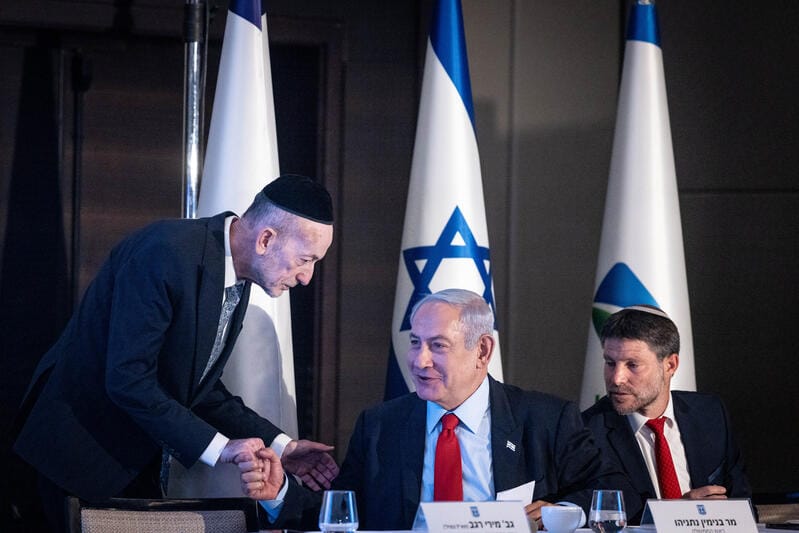
Uri Maklev with Prime Minister Netanyahu
Uri Maklev with Prime Minister Netanyahu (Photo: Chaim Goldberg, Flash90)

Parliamentary Peaks and Social Revolutions

Maklev served continuously for nine Knessets and consistently topped attendance tables in plenum and committee sessions. He was not a man of thundering speeches, but of systematic work:

Chairing central committees: He led the Committee for Public Petitions and turned it into an efficient civic address, then served as chairman of the Science and Technology Committee (after Moshe Gafni)—a rare appointment for a haredi MK, where he advanced cyber, artificial intelligence, smart transportation, and integration of haredi women in high-tech.

Extensive legislative output: He signed important laws for consumer protection, encouraging food donations, workers' rights, and parents of special-needs children.

Ministerial work: As deputy minister of transportation and deputy minister in the Prime Minister's Office, he led reforms in transportation justice, established the Authority for Economic and Social Development of the Haredi Sector (the Haredi Authority), and managed the Authority for Holocaust Survivors' Rights with deep concern for maximizing their entitlements.

For this activity he received prestigious honors, including the Distinguished Parliamentarian Award and the "Knight of Quality Government" Award.

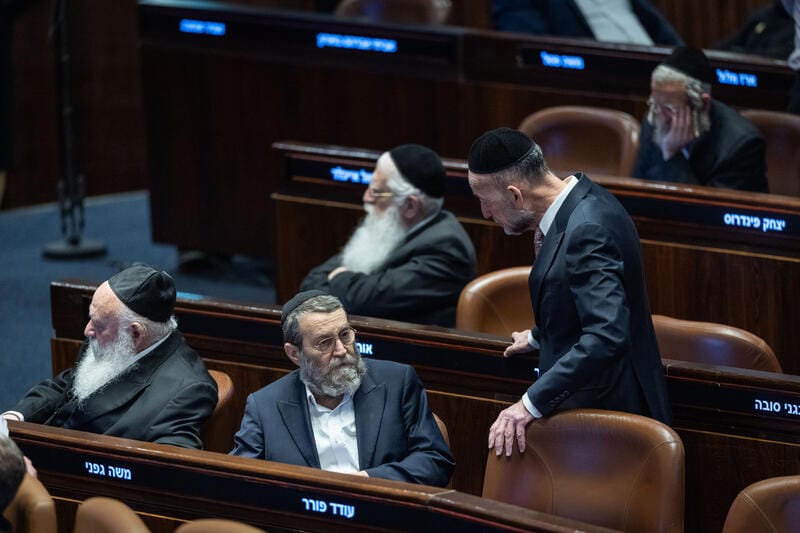
Maklev in the Knesset
Maklev in the Knesset (Photo: Yonatan Sindel / Flash90)

End of an Era and Generational Transition in Public Leadership

Maklev's parliamentary career reached a turning point following the decision of the Lithuanian public's leader, Hagaon Harav Dov Lando.

Maklev thus concluded a glorious chapter of clean, professional, mission-filled public service. For nearly four decades—from City Hall to the Knesset and government—Uri Maklev proved that a model of public emissary can be different: less noise, more results; fewer headlines, more circles closed.

Maklev will continue to serve as a member of Degel HaTorah's national executive board with absolute loyalty to daas Torah.

Ready for more?

Join our newsletter to receive updates on new articles and exclusive content.

We respect your privacy and will never share your information.

Enjoyed this article?

Yes
No
Follow Us:

Unmissable content


Loading comments...

Also of Interest