Moshe Gafni was born in early summer 1952 in Tel Aviv to his parents Eliyahu and Chava-Bracha, Polish Holocaust survivors who belonged to the Gur Hasidic dynasty.
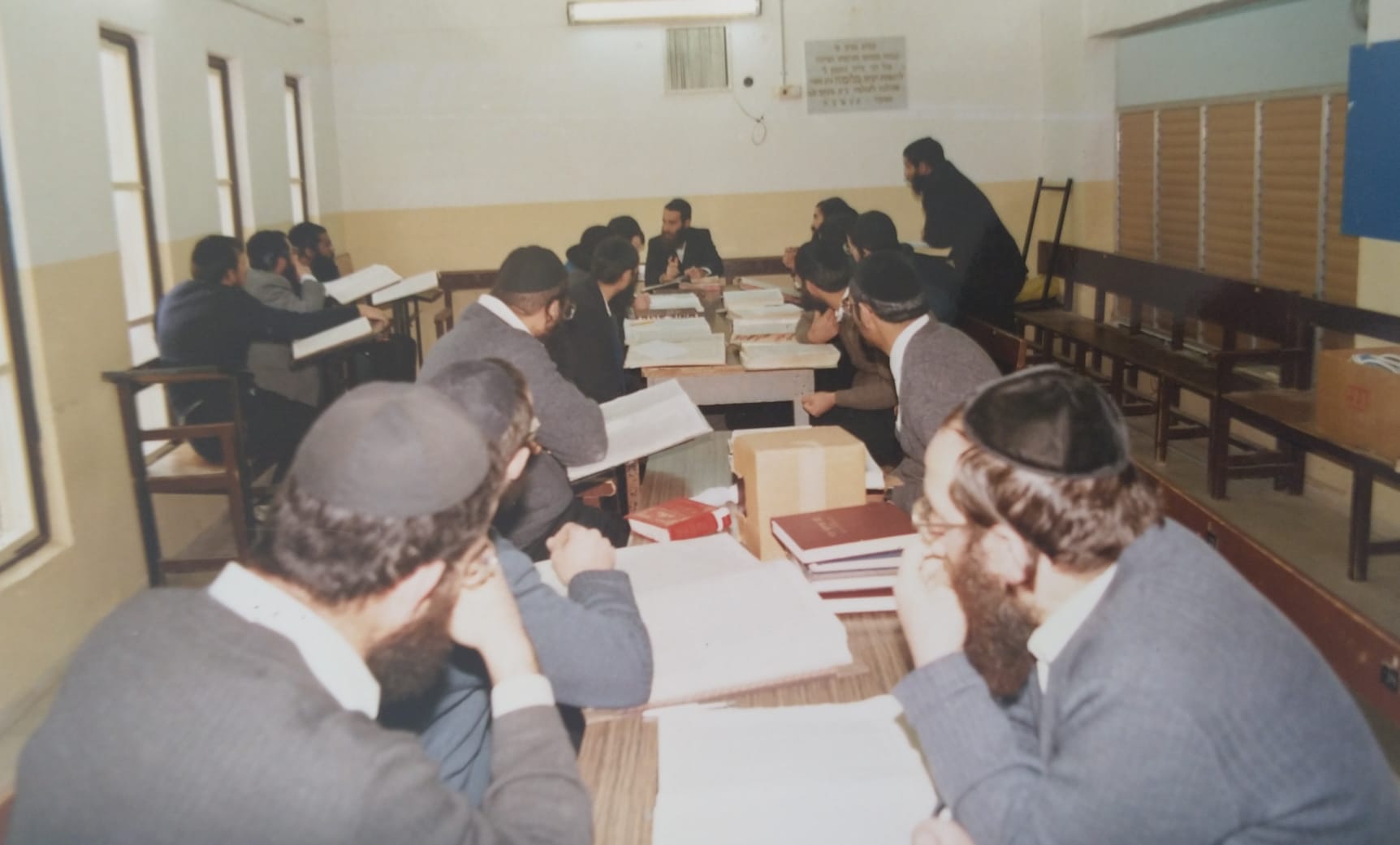
He received his early education at the "Yesodei HaTorah" Talmud Torah, but his Torah worldview was shaped in the halls of the most prominent Lithuanian yeshivas — Yeshivat Slobodka in Bnei Brak and Yeshivat Grodno in Ashdod. Under the "Torah is his profession" arrangement, he deferred military service and deepened his roots in Lithuanian Torah aristocracy.
In 1973, upon his marriage to his wife Chana, he moved to Ofakim in the western Negev, part of a broader vision by the Lithuanian leadership to strengthen the periphery through thriving Torah communities.
In Ofakim, Gafni became a local pillar, heading the "Zichron Eliyahu" kollel for married scholars and being drawn into the municipal arena as a city council member.
Even before he set foot in the Knesset, Moshe Gafni underwent his true baptism by fire in the political and social laboratory of Ofakim.
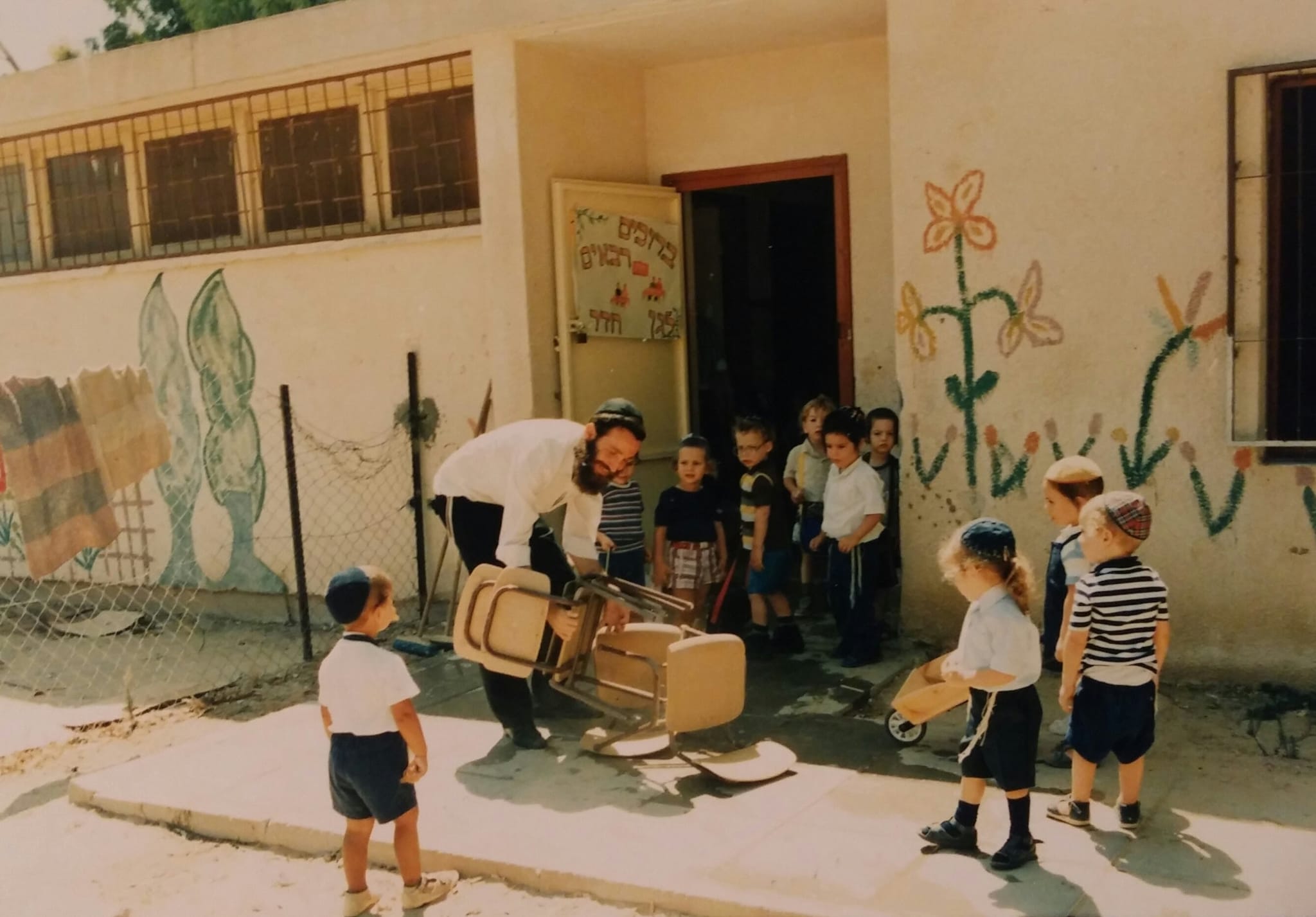
Gafni's personal testimony from those days reveals the secret of his grassroots work: "There wasn't a home that my wife and I didn't visit." Contrary to what might be expected from a sectoral representative, Gafni didn't focus solely on religious affairs and Torah education, but immersed himself neck-deep in the town's daily struggles — dealing with welfare problems, assisting families in distress, and battling rigid municipal and government bureaucracy.
Gafni didn't become "the Finance Committee man" as a detached technocrat disconnected from life's realities; he arrived there after passing through a harsh and unforgiving school of grassroots politics. This direct familiarity with the field, with the ordinary citizen and with peripheral hardships, gave him the ability in later years to navigate the state's budgets from a broad social perspective, far beyond narrow sectoral interests.
His years in Ofakim equipped him with practical tools for public work, bridging social gaps and managing complex systems vis-à-vis government ministries, alongside journalistic writing for the "Yated Ne'eman" newspaper that sharpened his incisive public style.