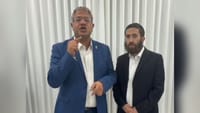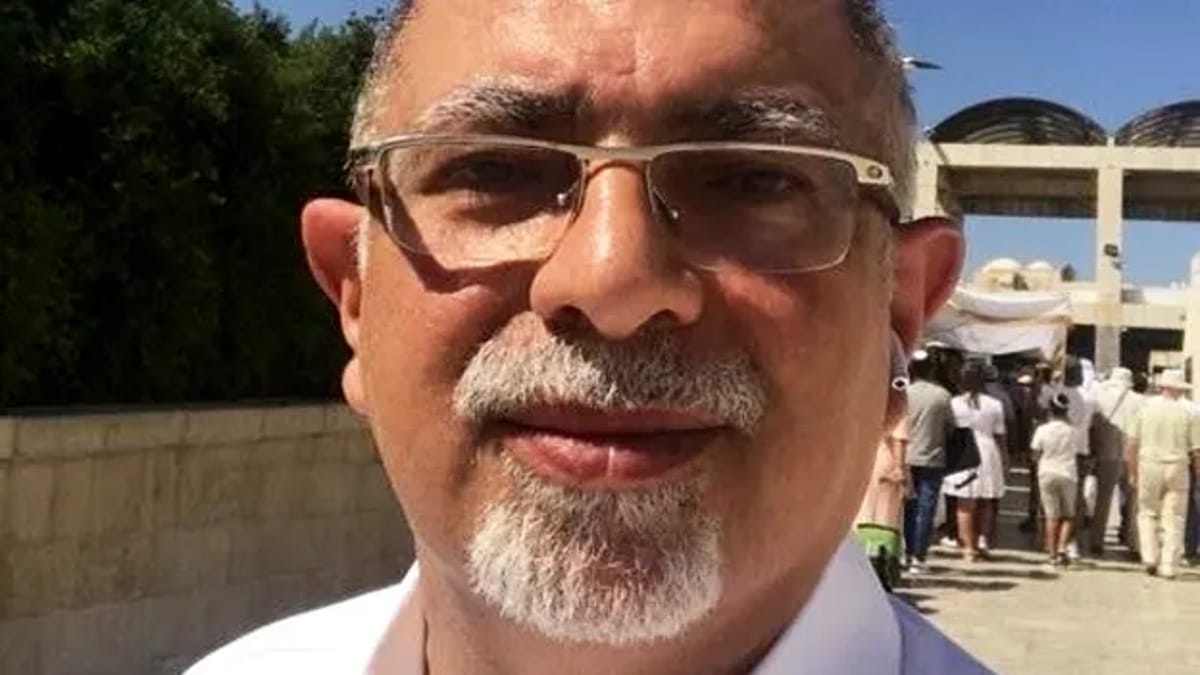
Kamran Hakemati, a 71-year-old Jewish-American jeweler and businessman from New York, has been released from Iran's notorious Evin Prison, where he was held by the Islamic Republic's security apparatus. But his ordeal is far from over. Iranian authorities have imposed a sweeping travel ban preventing him from leaving the country, effectively stranding him in Iran and blocking his return to his family and home in the United States.
The case dates back to summer 2025, when Hakemati, an Iranian-born dual citizen, traveled to his native country for a family visit. During his stay, he was arrested by local security forces and brought before Iran's Revolutionary Court. Judges sentenced him to two years in prison, with the primary charge stemming from a trip he had made to Israel more than a decade earlier, a private journey undertaken solely to attend a family member's bar mitzvah celebration.
Beyond the legal battle, a hidden medical crisis has unfolded behind bars. Hakemati is battling aggressive bladder cancer, and his relatives have repeatedly warned that he was denied adequate medical care during his imprisonment, causing his condition to deteriorate. While his release from prison brings some relief, the exit ban prevents him from reaching medical facilities in the United States to complete the course of treatment that could save his life.
Intelligence and diplomatic officials in the West emphasize that his case is not an isolated incident, but part of a systematic and ongoing pattern. The Tehran regime routinely detains foreign nationals and dual citizens under various pretexts, using them as hostages and political bargaining chips in negotiations with Western governments. As recently as July, detainee Dana Kharari was released on bail and permitted to leave for the United States after 19 months in custody, following a conviction in absentia to five years in prison.
Meanwhile, Evin Prison still holds Reza Valizadeh, a former journalist with Persian-language media outlets and an American citizen, who is serving a harsh ten-year sentence on charges of cooperating with Washington. In a recently leaked recorded call from the prison, Valizadeh appealed directly to the U.S. administration for urgent medical assistance for himself and all imprisoned Americans. For the Hakemati family, release from the cold cell is only halfway to freedom; the nightmare will truly end only when he is allowed to board a plane back to New York.