Der Birgermayster

Mezuzas at Gracie Mansion: A Look at NY's Jewish Mayors

As New York City prepares for the inauguration of its first Muslim mayor, the moment has been met with unease in large parts of the city’s Jewish community. That discomfort is rooted in politics, rhetoric, and a growing anxiety among many Jews. For a community that has spent generations negotiating its place in the city, those questions feel both familiar and newly sharp.

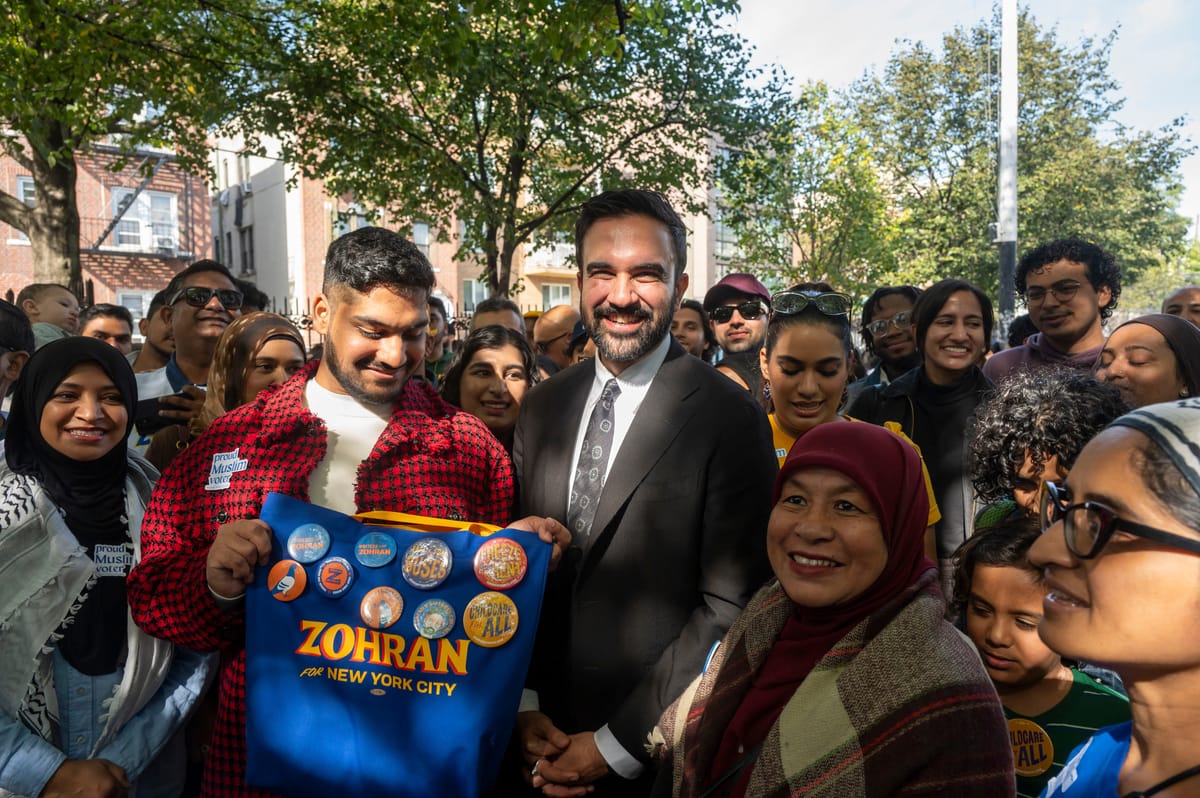
Democratic mayoral candidate Zohran Mamdani speaks to volunteers at the Muslim Democratic Club of New York's canvass at Sean's Place Park on October 19, 2025 in the Queens borough of New York City.
Democratic mayoral candidate Zohran Mamdani speaks to volunteers at the Muslim Democratic Club of New York's canvass at Sean's Place Park on October 19, 2025 in the Queens borough of New York City. (Ron Adar/ShutterStock)

As New York City prepares for the inauguration of its first Muslim mayor, the moment has been met with unease in large parts of the city’s Jewish community. That discomfort is rooted in politics, rhetoric, and a growing anxiety among many Jews about how power is exercised, whose fears are taken seriously, and what kinds of language are normalized in public life. For a community that has spent generations negotiating its place in the city, those questions feel both familiar and newly sharp.

That unease makes this a moment worth looking backward as well as forward. New York’s Jewish mayors did not emerge in a vacuum, nor were they instantly accepted. Each came to office at a different stage in the city’s evolving relationship with Jewish identity, civic belonging, and minority leadership. From the complicated inheritance of Fiorello La Guardia to the normalization of Jewish power under Michael Bloomberg, the city’s Jewish mayoral history offers a lens through which to understand why transitions like this one can feel unsettling, even as they mark real progress.

Loading...
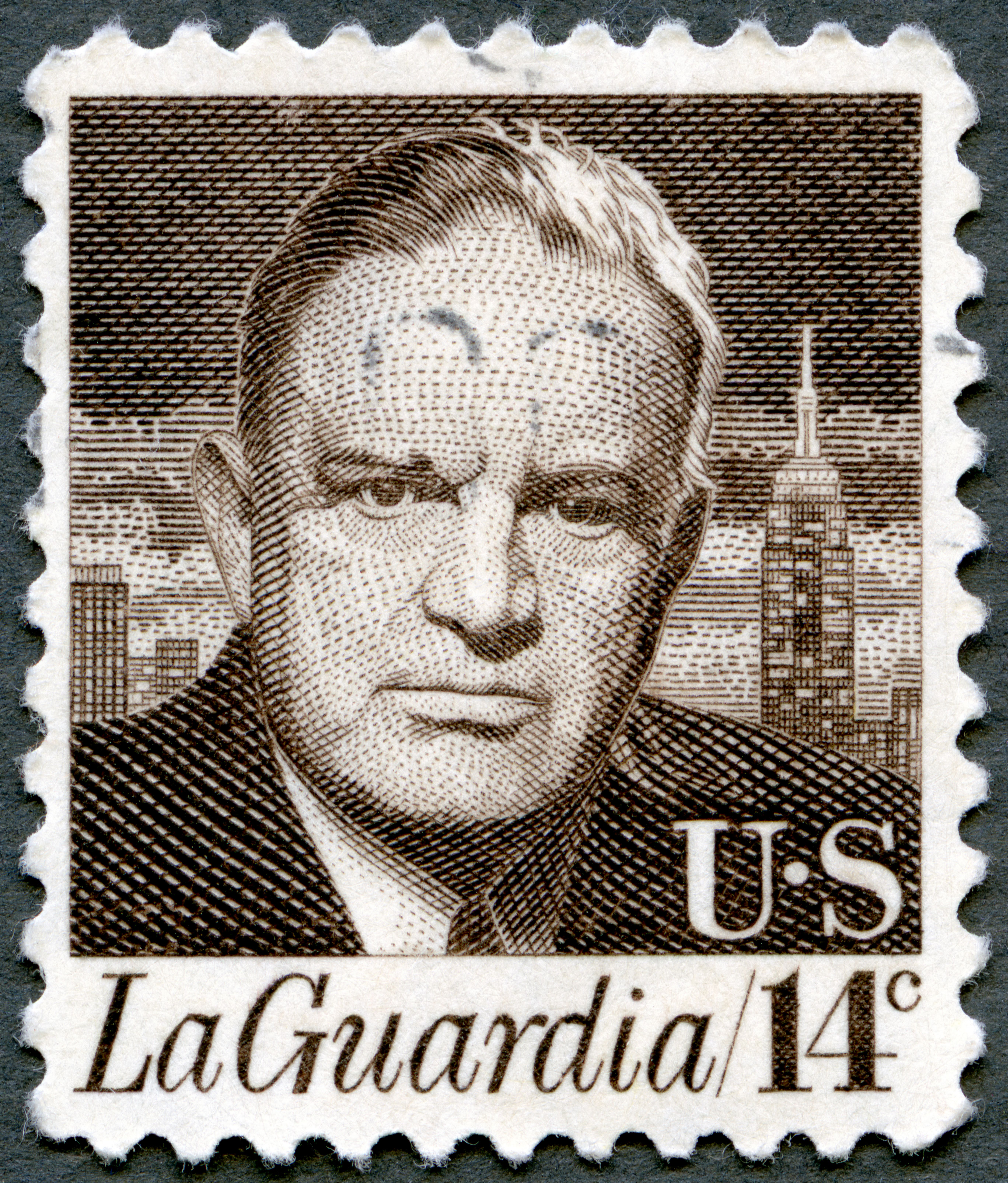
USA - CIRCA 1972: A stamp printed in USA shows portrait of Fiorello Henry LaGuardia (1882�¢??1947), circa 1972 (Olga Popova/ShutterStock)

The story begins, somewhat messily, with Fiorello H. La Guardia, mayor from 1934 to 1945. La Guardia was Jewish by maternal descent, even though he practiced Episcopalian Christianity and never presented himself as a “Jewish mayor” in the modern sense. Still, his Jewish roots were real and consequential. He spoke Yiddish, understood immigrant politics instinctively, and treated New York’s Jewish community as a core part of the city rather than a special interest. His opposition to fascism was outspoken and early, years before the United States entered World War II. In the late 1930s, when Nazi diplomats and the German consulate were legally present in New York, the city was required to provide protection. La Guardia complied with the law, but did so with unmistakable intent, assigning Captain Max Finkelstein to lead an entire team of Jewish NYPD officers tasked with guarding the Nazis. The move infuriated German officials and the Nazi press, which understood it as the pointed inversion it was: Jews enforcing order over representatives of an ideology that denied their humanity. The stakes for La Guardia were deeply personal. His sister, Gemma La Guardia Gluck, was imprisoned in Nazi concentration camps in 1944, her husband murdered. She survived in part because the Nazis viewed her as leverage due to her brother’s prominence. La Guardia’s anti-Nazism, and his sympathy for Zionism as a moral necessity, were rooted in lived experience, not abstraction.

Four decades later, Abraham D. Beame became the city’s first openly and unambiguously Jewish mayor, serving from 1974 to 1977. Beame’s Jewishness required no footnotes. He was publicly Jewish, comfortably so, at a time when that visibility still carried weight. One of his earliest symbolic acts was placing a mezuzah on the doorframe of Gracie Mansion, quietly marking the mayor’s residence as a Jewish home as well as a civic one. Beame governed during the city’s fiscal crisis, and history tends to remember the budget more than the symbolism. Yet his election marked a turning point. A Jewish mayor was no longer a question of definition or lineage, but an accepted fact of New York political life.


Loading...
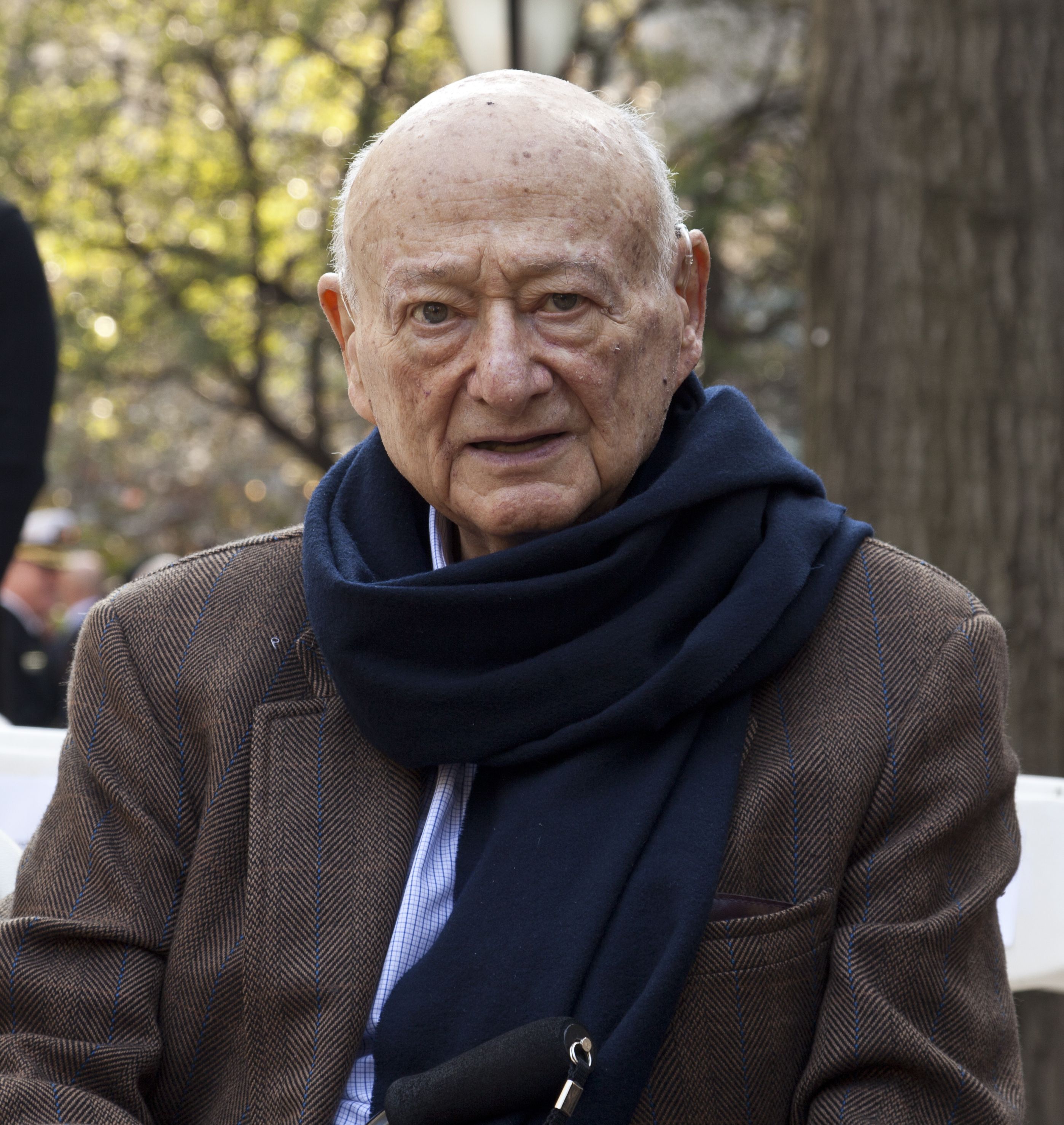
Former mayor Ed Koch in 2011. (Lev Radin/ShutterStock)

Ed Koch, who followed Beame and served from 1978 to 1989, represented the next stage entirely. Koch’s Jewish identity was confident, public, and inseparable from his political voice. He did not shy away from speaking as a Jew, nor from fighting antisemitism directly. Fiercely pro-Israel, Koch treated hostility toward Israel not as a neutral policy disagreement but as a moral failing. At the same time, he insisted on governing the entire city, resisting the idea that Jewish identity narrowed his mandate. Koch embodied a postwar American Jewish confidence that had fully arrived, loud, argumentative, and unapologetic.

Loading...
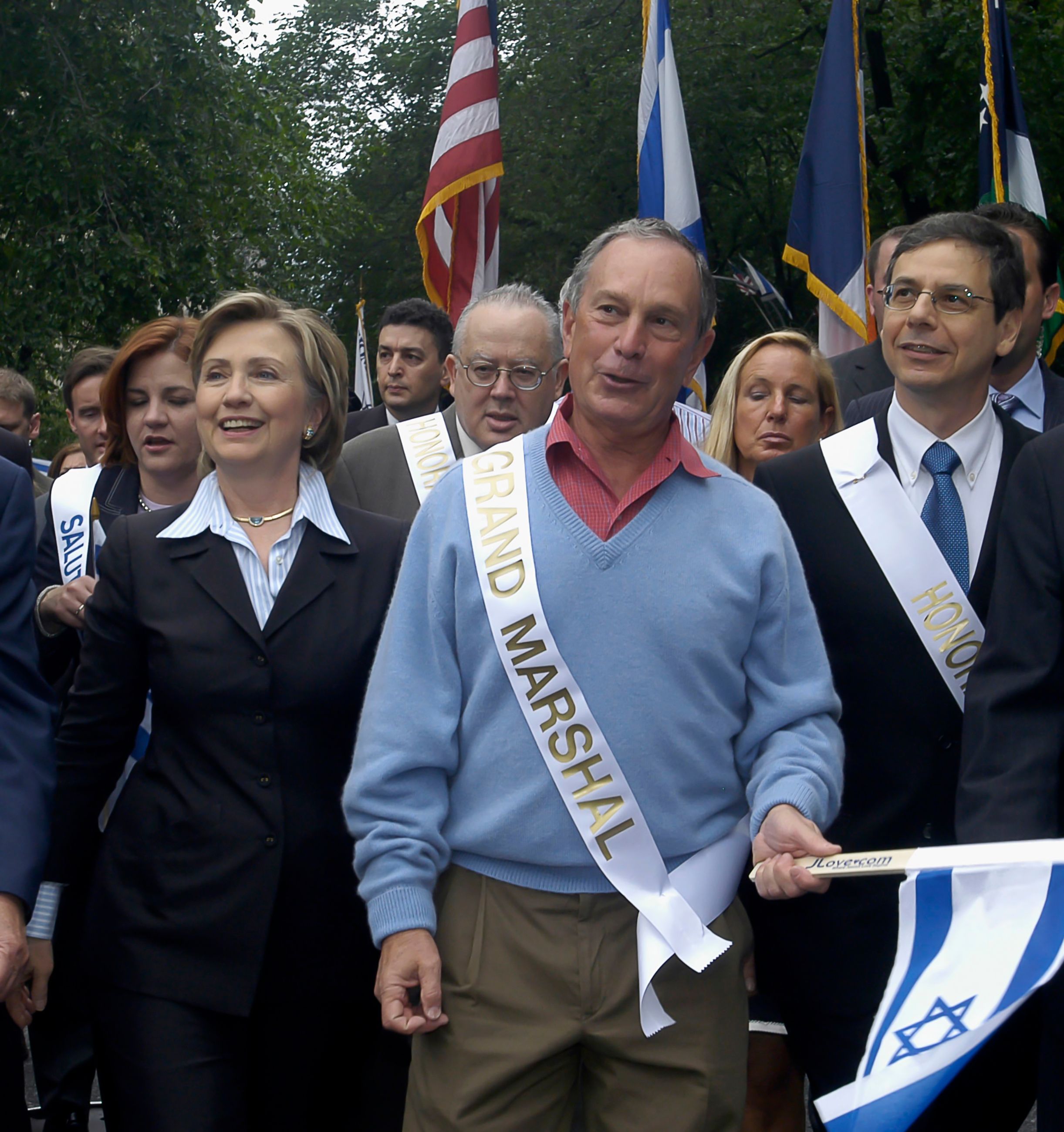
Then-Mayor Michael Bloomberg at the 2006 Salute to Israel Parade, NYC. (rblfmr/ShutterStock)

Michael Bloomberg, mayor from 2002 to 2013, reflected how thoroughly Jewish leadership had become normalized. Secular, technocratic, and intensely pragmatic, Bloomberg rarely foregrounded Jewish identity rhetorically. Yet substantively, he was deeply engaged in Jewish life and Jewish causes, a strong supporter of Israel, and a major backer of Jewish education and continuity. His relationship to Judaism was expressed through philanthropy, institutional strength, and long-term planning rather than public symbolism.

Taken together, these four tenures trace a quiet but profound arc. What began with a mayor whose Jewishness was debated and complicated evolved into leadership where Jewish identity was first asserted, then celebrated, and finally taken for granted. As New York enters a new chapter with its first Muslim mayor, that history matters. It is a reminder that the city’s idea of who belongs in City Hall has expanded before, and that each expansion once felt unfamiliar until it became simply part of New York’s definition of itself.

Ready for more?

Join our newsletter to receive updates on new articles and exclusive content.

We respect your privacy and will never share your information.

Enjoyed this article?

Yes (63)
No (3)
Follow Us:

Loading comments...