
UN antisemitism

Georgetown University Ditches Antisemitic UN Chief

Georgetown University has ended its affiliation with Francesca Albanese, the United Nations special rapporteur on Palestinian issues, according to the watchdog group UN Watch.

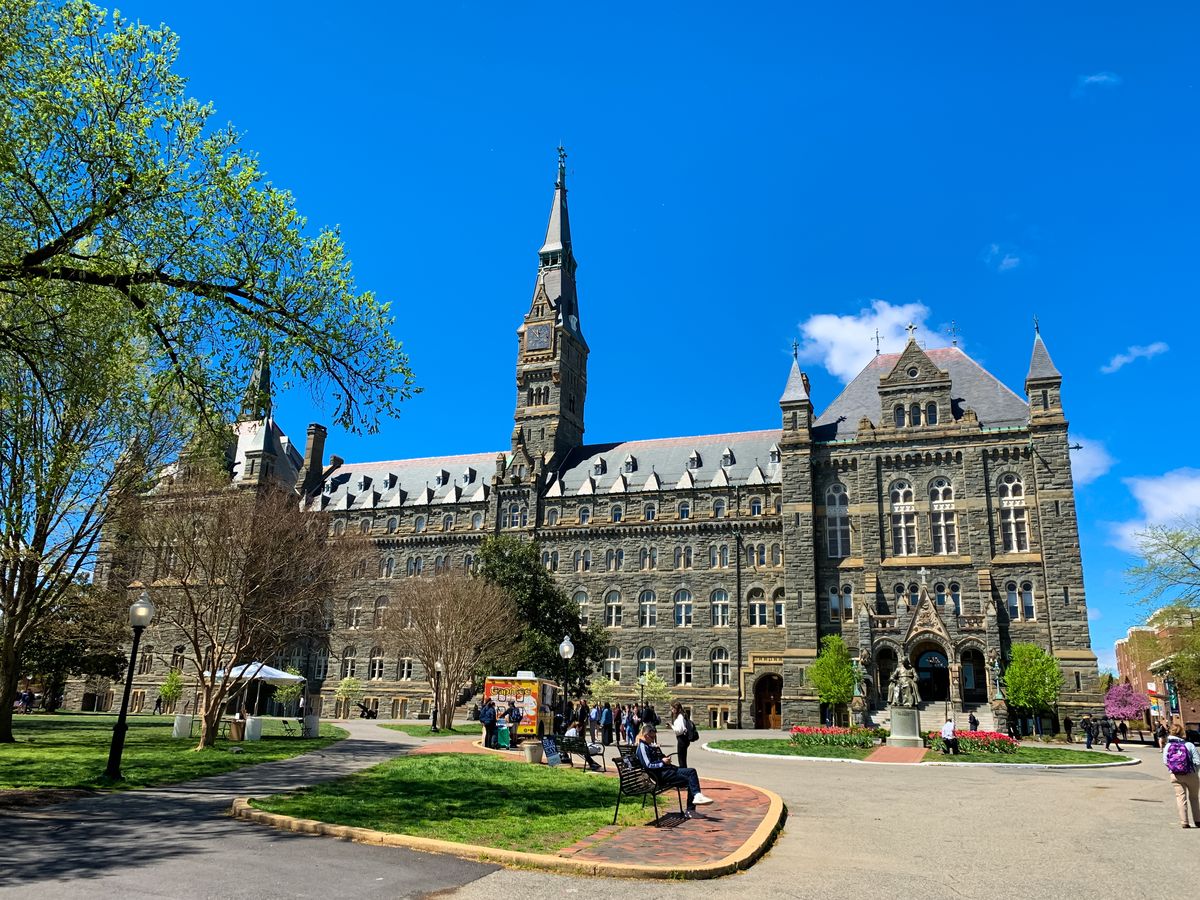
WASHINGTON DC, USA - April 15, 2019: Campus of Georgetown University, private research university - the oldest Catholic and Jesuit-affiliated institution of higher education in the USA.
WASHINGTON DC, USA - April 15, 2019: Campus of Georgetown University, private research university - the oldest Catholic and Jesuit-affiliated institution of higher education in the USA. (Larm Pat Photos/ShutterStock)

Georgetown University has ended its affiliation with Francesca Albanese, the United Nations special rapporteur on Palestinian issues, following sustained criticism over her statements and after she was sanctioned by the United States earlier this year, according to the watchdog group UN Watch.

UN Watch reported that Albanese was removed from Georgetown’s list of affiliated scholars at the university’s Institute for the Study of International Migration. Her biography page, which previously described her as an international lawyer and researcher focused on Palestinian refugees, is no longer accessible on the university’s website.

UN Watch executive director Hillel Neuer welcomed the move, saying the university had taken an important step by distancing itself from an official who has been widely condemned for antisemitic rhetoric and for justifying violence against civilians.

Albanese has been under intense scrutiny since July, when US Secretary of State Marco Rubio announced sanctions against her. The State Department said Albanese had engaged directly with the International Criminal Court in efforts to pursue investigations and legal action against US and Israeli nationals, despite the fact that neither country is a signatory to the Rome Statute that established the court.

In announcing the sanctions, the State Department accused Albanese of expressing support for terrorism, promoting antisemitic narratives, and showing hostility toward the United States, Israel, and Western democracies.

Several US allies have also publicly rebuked Albanese in recent years. France and Germany condemned her in early 2024 after she argued that the October 7 Hamas massacre in Israel was not antisemitic in nature, claiming instead that the victims were killed “in response to Israel’s oppression.” Both governments described her remarks as scandalous and incompatible with the principles of the United Nations.


Germany said that denying the antisemitic nature of the attack and appearing to justify terrorism was disgraceful, particularly coming from a UN official. France similarly said her comments undermined the UN’s founding commitment to combating antisemitism and racism.

Georgetown has not publicly commented on the decision to remove Albanese from its affiliated scholars list, but advocacy groups have framed the move as part of a broader reckoning within academic institutions over associations with controversial figures.

UN Watch said it had spent more than six months urging Georgetown to sever ties with Albanese and noted that the organization had compiled extensive documentation of her public statements, which it argues cross the line from criticism of Israeli policy into justification of violence and historical distortion.

“This decision sends a clear message,” Neuer said. “Holding a position at the United Nations does not place someone beyond accountability, and universities should not serve as safe havens for rhetoric that excuses terror or spreads hatred.”

The group also called on the United Nations itself to remove Albanese from her post, arguing that her conduct has damaged the credibility of the UN’s human rights framework.

For now, Georgetown’s move marks one of the most tangible institutional consequences Albanese has faced amid growing international backlash.

Ready for more?

Join our newsletter to receive updates on new articles and exclusive content.

We respect your privacy and will never share your information.

Enjoyed this article?

Yes (62)
No (2)
Follow Us:

Loading comments...