Satmar Cozies Up to Zohran Mamdani (Again)
While mainstream Jewish organizations boycott NYC mayor's celebration, Satmar announces participation • Rabbi Niederman defends decision as 'right and proper' | Deep divide over Israel relations exposed (World News)

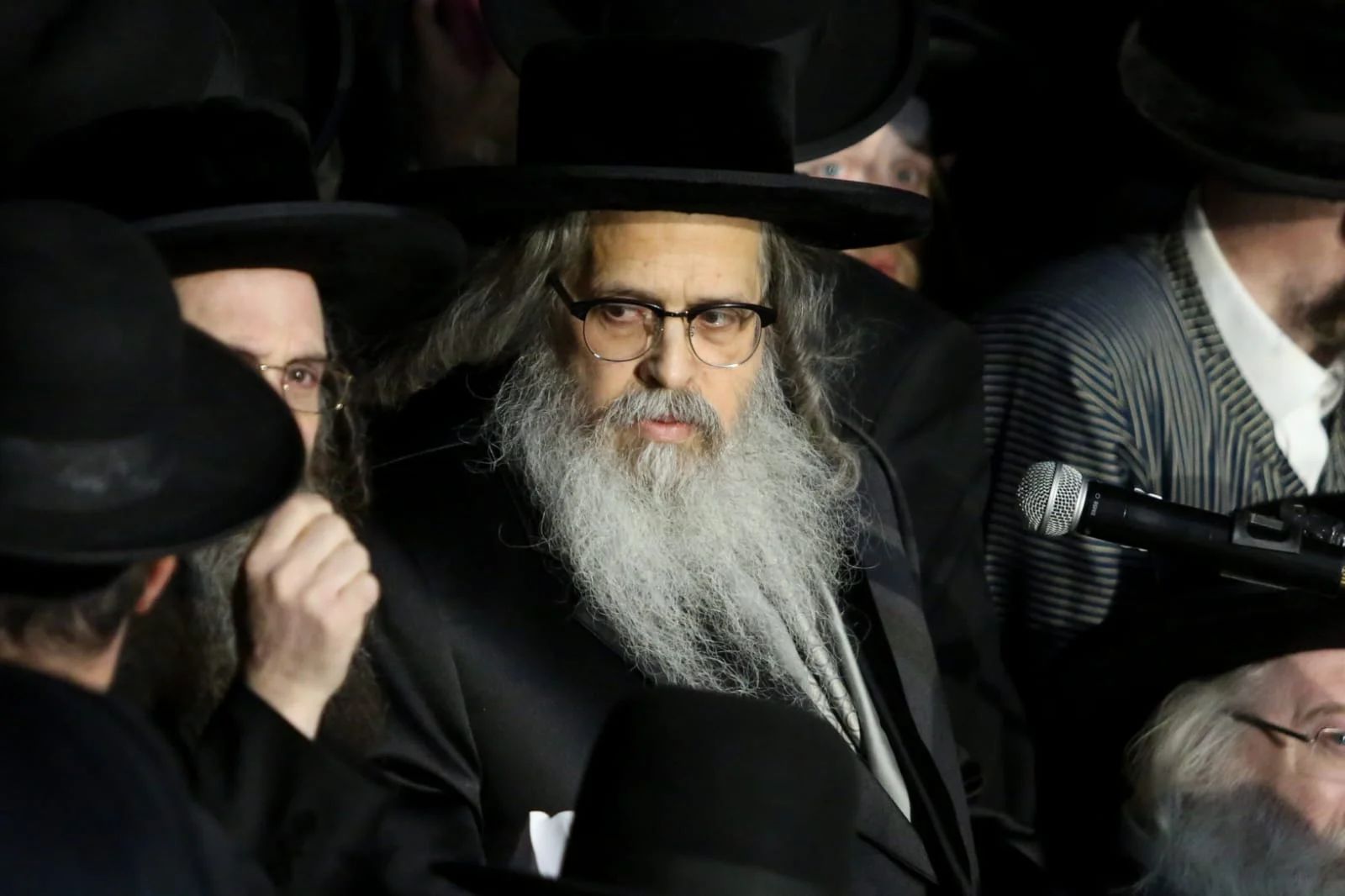
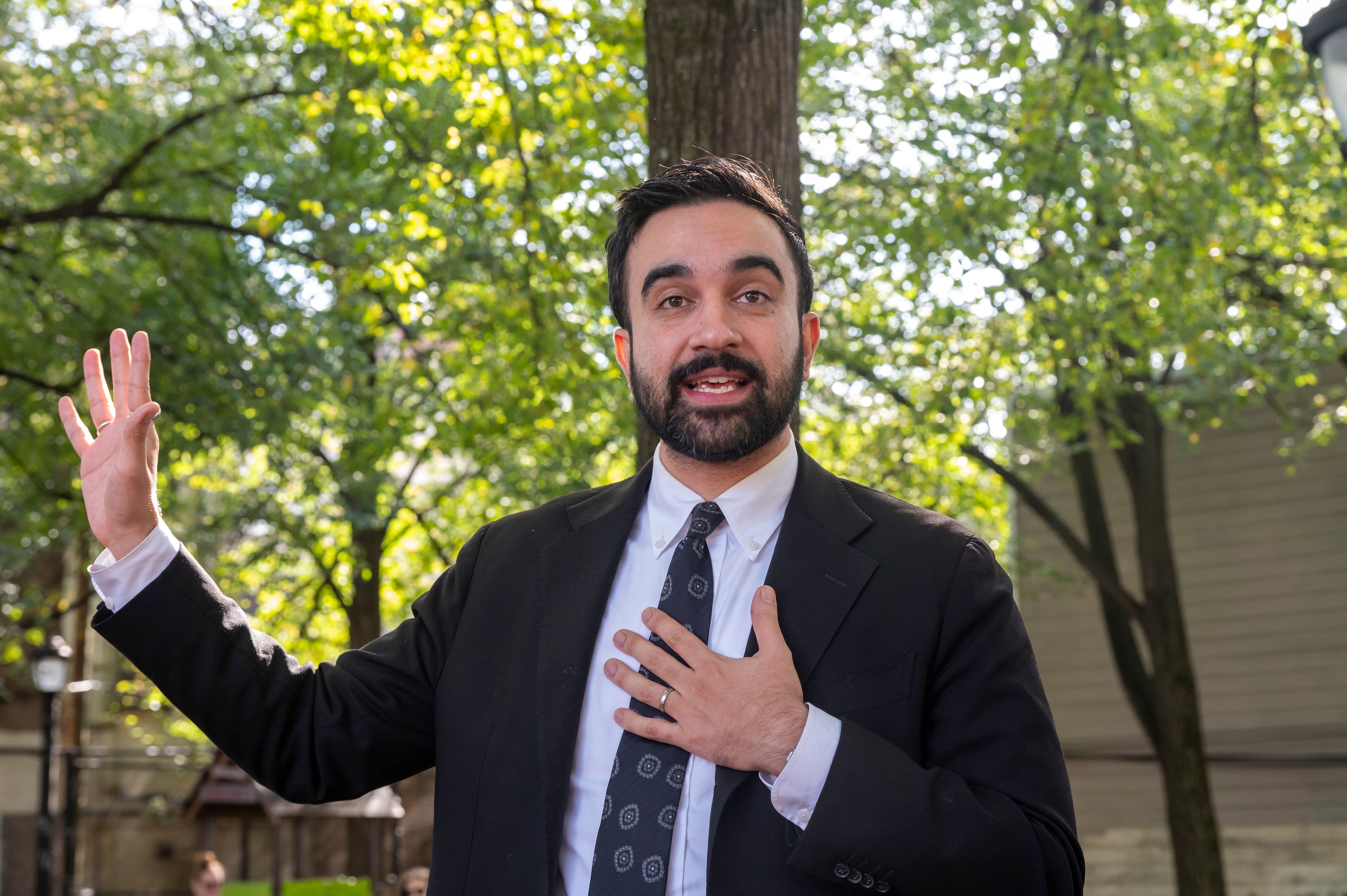
A significant fracture has emerged within New York's Jewish community as Satmar Chassidim attended Mayor Zohran Mamdani's Jewish American Heritage Month celebration at Gracie Mansion last night, breaking ranks with mainstream Jewish organizations that have declared a boycott of the event.
The ceremony was described by the mayor's office as a "pre-Shavuot celebration" featuring a kosher dairy menu. Mamdani invited approximately 150 guests representing various segments of the Jewish community. However, major Jewish organizations refused to participate due to Mamdani's political positions and recent actions regarding Israel.
Mainstream Organizations Declare Boycott
The UJA-Federation of New York issued a pointed statement clarifying its position: "We will not be attending the Jewish American Heritage Month celebration at Gracie Mansion being hosted by a mayor who denies a core pillar of our heritage, the State of Israel as the homeland of the Jewish people."
Mark Treyger, CEO of the Jewish Community Relations Council of New York, also confirmed he would not attend. The JCRC, which organizes the annual Israel Day Parade scheduled for May 31, stated that tensions had intensified following Mamdani's controversial Nakba Day video released on Friday, just before Shabbat.
The video presented what critics described as a one-sided Palestinian narrative, featuring a "Nakba survivor" discussing displacement from Jerusalem. On-screen text defined Nakba as a "catastrophe" involving the displacement of over 700,000 Palestinians during Israel's founding, while conspicuously omitting the Arab rejection of the UN partition plan and the subsequent invasion of Israel by Arab armies.

Satmar's Divergent Path
Despite the widespread boycott, Rabbi David Niederman, chairman of the United Jewish Organizations of Williamsburg (UJO), which represents the Satmar community, declared that his participation in the event is "right and proper." The decision reflects a fundamental difference in how the Satmar community approaches political engagement with city leadership.
For Satmar, which maintains a well-known anti-Zionist theological position, Mamdani's criticism of Israel does not constitute grounds for boycotting an event dedicated to religious Jewish heritage and community welfare. Rabbi Niederman, who has previously met with Mayor Mamdani, emphasized the importance of maintaining open channels of communication with City Hall, regardless of disagreements over Israel policy.
This approach underscores a pragmatic calculation: the Satmar community prioritizes direct access to municipal leadership on issues affecting daily life in Williamsburg, including education, housing, and public safety, over solidarity with mainstream Jewish organizations on matters of Israel advocacy.

Mamdani's Controversial Record
The boycott stems from a pattern of actions and statements that mainstream Jewish leaders view as hostile to core Jewish interests. Mamdani, a democratic socialist who emerged from pro-Palestinian activism, has refused to recognize Israel as a Jewish state, expressed support for the BDS movement, and accused Israel of committing genocide in Gaza.
The controversy reached a crescendo over the weekend when the mayor's office released the Nakba Day video, which Jewish organizations condemned for presenting Israel's founding as a catastrophe while erasing critical historical context. Additionally, Mamdani announced he would not participate in the annual Israel Day Parade, and reports emerged that his wife had liked social media posts celebrating the October 7 massacre and denying atrocities committed by Hamas.
Earlier this year, Mamdani issued his first mayoral veto, striking down legislation that would have required the NYPD to establish buffer zones around schools during protests. The move drew particular criticism from Orthodox leaders who had supported the measure as necessary protection for yeshivas and students.