On a crisp spring morning at Columbia University, representatives of pioneering Israel Advocacy group Let's Do Something read a book to different groups of students on the lawn.
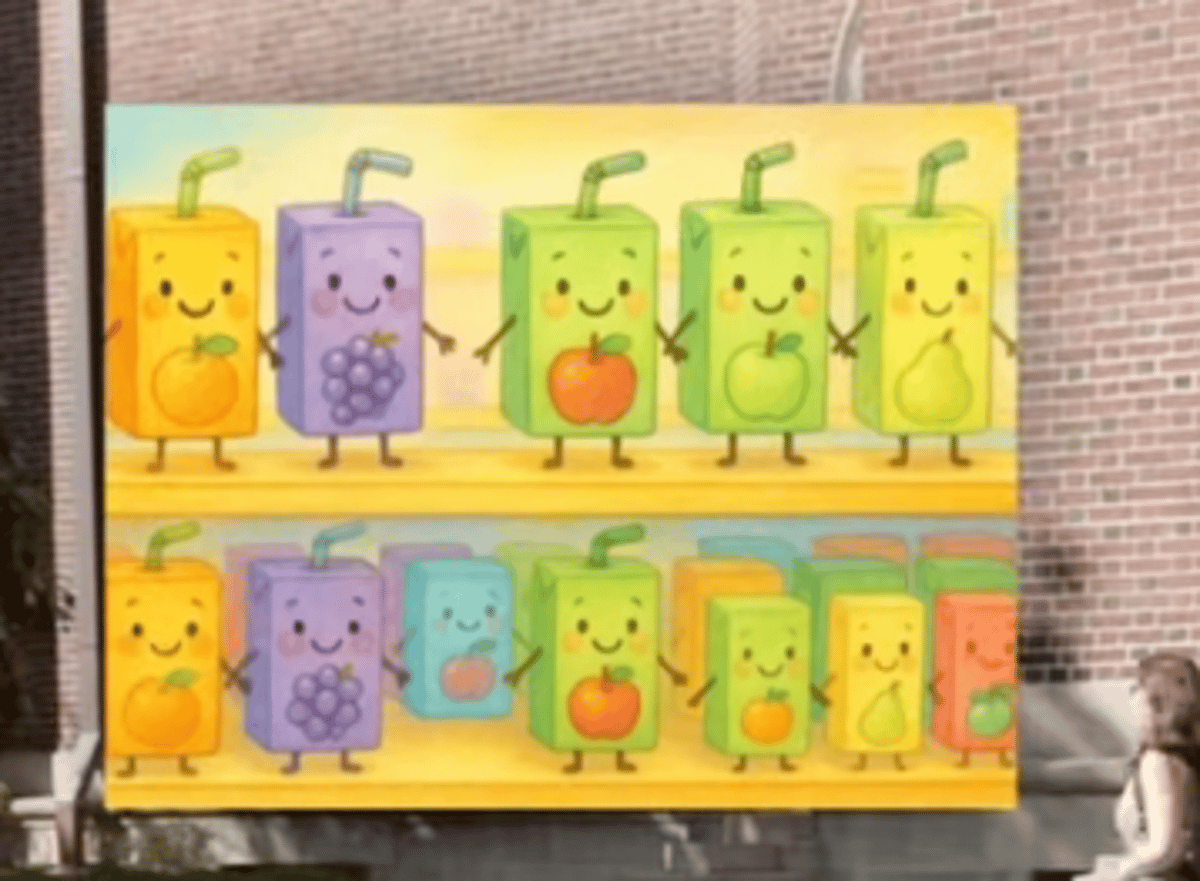
The book, The Shelf They Lost, presented as a simple children’s tale about juice boxes displaced from their shelf in a store, captivated the audience with its vibrant imagery and heartfelt message. But beneath its colorful narrative lay a deeper allegory, one that invited reflection on Jewish history, displacement, and the quest for a homeland.
The book tells the story of juice boxes, grape, orange, apple, and tropical, living happily on a central shelf in a bustling store. Their peace is shattered when romaine lettuce, milk cartons, bread loaves, and sausages reject them, pushing them out with harsh words: “You don’t belong,” “Your colors are strange,” “You’re dirty and beneath us.”
The juice boxes face exile, loss, and even destruction, with a poignant reference to “6 million juice boxes” whose “straws were bent and boxes burned”, a clear reference to the Holocaust. Yet, the surviving juice boxes find hope, uniting to rebuild their shelf in “the only place where safe,” a metaphor for the Zionist dream of returning to and establishing Israel. The story ends with a question: “Do the juice boxes deserve a shelf of their own?”