The Mandela Effect is a surprising phenomenon where a large group of people share a false memory, meaning they are all certain they recall a specific event or detail, but in reality, that memory is incorrect and never happened.
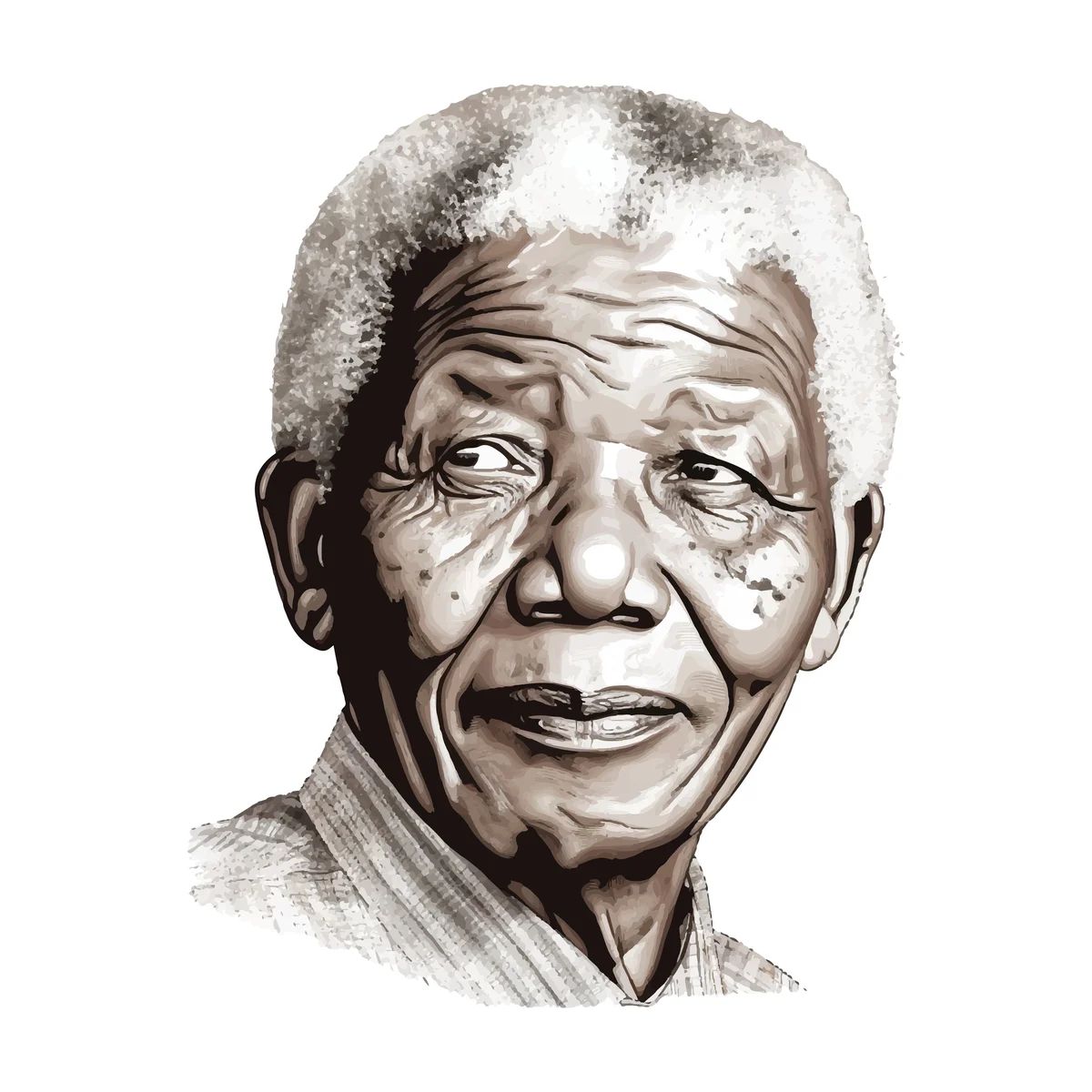
The phenomenon takes its name from the defining example: many around the world distinctly remembered Nelson Mandela, the anti-apartheid leader and former South African president, dying in prison during the 1980s. Some could even describe news reports of his funeral and eulogies delivered in his honor. There was just one problem with this memory: in reality, Mandela was released from prison, lived for many more years, and served as South Africa’s president from 1994 to 1999. The real Mandela passed away in 2013 at his home in Johannesburg, far from those imagined "funeral scenes."
How is it possible that entire groups "remember" something that didn’t happen? The term "Mandela Effect" was coined in 2009 by Fiona Broome, an independent researcher of mysterious phenomena, after she discovered she wasn’t alone in her mistaken memory of Mandela’s death. At a conference, Broome spoke with others who were equally convinced Mandela had died in prison, and upon realizing this was a shared, erroneous memory, she launched a website inviting the public to share similar cases. Since then, countless examples of the Mandela Effect have emerged, especially in pop culture and history, turning the phrase into a common term for collective false memory. Some have taken the phenomenon into speculative territory (e.g., evidence of parallel universes intertwining), but researchers offer simpler, more grounded explanations for this baffling occurrence.
Why Isn’t Our Memory Perfect?
To understand the Mandela Effect, it’s worth recalling how human memory works. We often think of memory like a video or hard drive: a precise storage of what we’ve seen and heard. In reality, memory is more like a puzzle we reassemble each time from available pieces. The brain encodes and stores information in a network of neurons, prioritizing the main idea or "big picture" over every tiny detail. When we recall something, we pull out the key pieces and try to reconstruct a logical, complete image. This process is efficient and impressive but also prone to errors and influences.
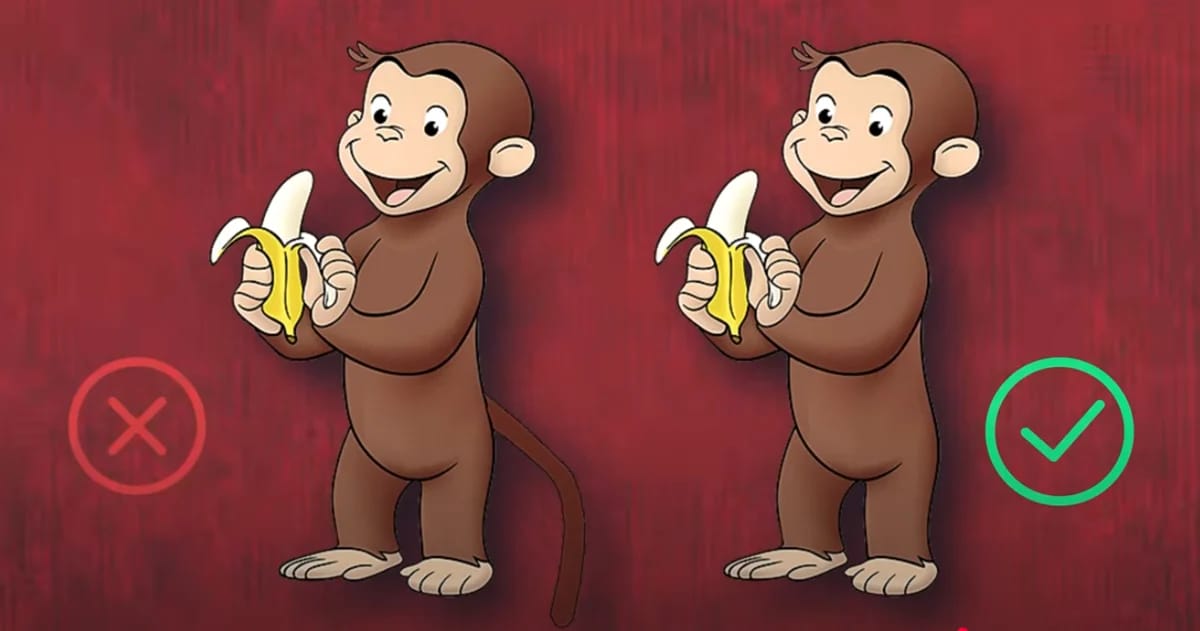
A key explanation for the Mandela Effect is that our memory tends to "fill in gaps" automatically. If a detail is missing or faded, the brain might guess and insert something that fits the context and our general knowledge. This process, called "confabulation" by brain researchers, fills memory gaps without intent to deceive, often unconsciously. For instance, many recall Curious George, the famous monkey from children’s books, with a tail, though in the actual illustrations, George has no tail. Why do people "see" a tail in their mind’s eye? Because our general knowledge assumes monkeys have tails, so the brain adds one to the image of a cartoon monkey.
Also, memory stores information in categories and associative links. Similar memories are kept close together in the brain, like files in the same folder. This can lead to confusion between related pieces of information. A fascinating study found that many Americans, when asked to list U.S. presidents from memory, included Alexander Hamilton, who was never a president (he was a Founding Father but never held the office). The explanation: Hamilton’s memory is stored near those of U.S. presidents because he’s historically tied to them (a prominent figure in America’s founding, featured on currency). During recall, the neural network for presidents "activated" Hamilton’s too, convincing people he belonged on the list. This wasn’t a lone error: nearly everyone exposed to American history shared the same potential mix-up, creating a widespread false memory.
It’s also worth noting that repeated recall can distort memory. Each time we remember and share something, we rebuild the puzzle, possibly adding new pieces (accurate or not). This updated version then gets re-encoded in memory. Paradoxically, the more a story is retold, the more confident people become in it, though its accuracy may decline. The brain "gets used" to the oft-repeated version and trusts it, even if details were added or altered along the way. A psychological mechanism called "imagination inflation" shows that vividly imagining an event enough times can convince us it actually happened. In other words, a repeated mental image can become a "real" memory in our subjective experience.
Famous Examples of the Mandela Effect
The Mandela Effect gained fame thanks to amusing and astonishing examples from pop culture where many consistently recall something that never existed. Here are some well-known cases:
- "Death" of Nelson Mandela: The foundational case—thousands worldwide remembered a news event that didn’t happen, with Mandela dying in prison in the 1980s.
- Monopoly Man’s Monocle: Many recall the Monopoly game’s businessman with a monocle, though official images show he never had one. The mix-up might stem from confusion with similar figures like Mr. Peanut, who does wear a monocle
- Curious George’s Missing Tail: As mentioned, countless people recall the children’s book character with a tail, despite George always appearing tailless in illustrations. Expecting monkeys to have tails likely led us to "add" one in memory