The United States is telling partners that it has secured preliminary commitments from six countries to join a US-led “Board of Peace” that would oversee postwar management in Gaza, according to officials familiar with the discussions.
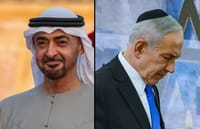
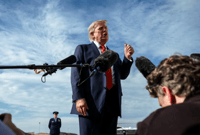
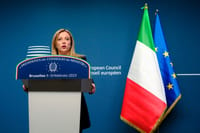
Egypt, Qatar, the United Arab Emirates, the United Kingdom, Italy, and Germany have all indicated willingness for their leaders to participate in the forum alongside President Donald Trump, four officials told The Times of Israel. The commitments mark an early effort by the Trump administration to build international backing for its Gaza plan beyond the initial ceasefire phase.
US officials cautioned, however, that agreeing to sit on the Board of Peace does not guarantee broader support from each country, including contributions of funding, troops, or security personnel. Still, Washington hopes that visible participation by key Middle Eastern and European actors will lend legitimacy to the initiative and encourage further engagement.
The administration is also seeking to expand the board’s membership and has expressed interest in adding Saudi Crown Prince Mohammed bin Salman and Turkish President Recep Tayyip Erdogan. Trump publicly said last month that he hoped the Saudi leader would join, though officials said Riyadh is waiting for greater clarity on conditions in Gaza before making a decision.
Turkey’s potential involvement remains contentious. Israeli officials continue to oppose a Turkish role in postwar Gaza, particularly within the International Stabilization Force envisioned in the US plan. An Israeli official said Washington is expected to increase pressure on Jerusalem in the coming weeks to soften its opposition, possibly allowing Erdogan a seat on the board even if Turkish forces are not deployed on the ground.
While board membership has drawn interest, securing commitments to the stabilization force has proven more difficult. Many countries are seeking clearer definitions of the force’s mandate, command structure, and rules of engagement. US Central Command addressed some of those concerns at a recent conference in Doha, outlining options ranging from troop deployments to funding, training, and logistical support.
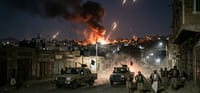
Key issues remain unresolved, particularly Hamas disarmament. US officials have indicated that the stabilization force would initially avoid areas under Hamas control and would not be tasked with forcibly seizing weapons, instead relying on a gradual disarmament process. Israeli officials have rejected that approach, adding uncertainty to the timeline for implementation.
Washington is aiming to hold a follow-up meeting in January, though diplomats expressed skepticism that a stabilization force could be deployed as quickly as originally envisioned.