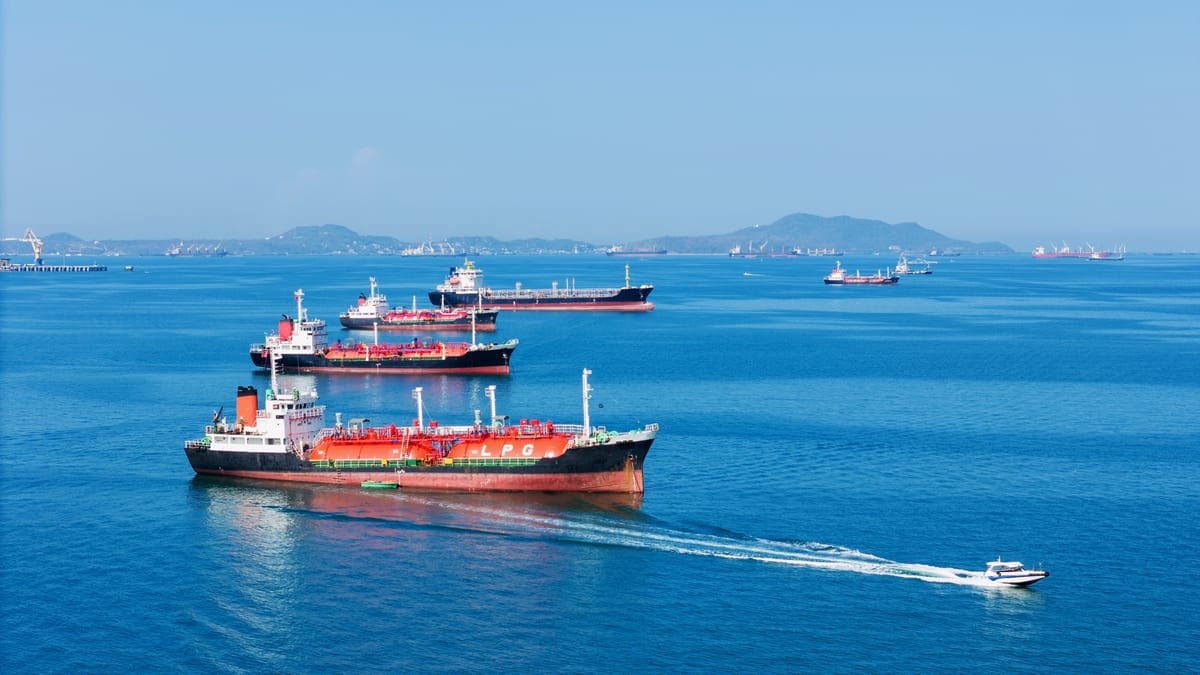
The fragile maritime equilibrium governing global energy transit routes has faced another severe destabilization following aggressive enforcement actions along a critical choke point. Revolutionary naval forces have actively intercepted international commercial vessels to impose restrictive domestic navigation laws by force. This sudden escalation directly challenges existing international understandings and threatens to reignite wide scale disruptions across global supply networks.
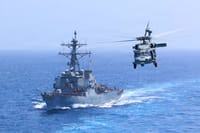
State media organs in Iran confirmed on Friday, June 26, 2026, that the navy of the Islamic Revolutionary Guard Corps successfully blocked 3 foreign oil tankers from crossing the Strait of Hormuz. The commercial vessels were subjected to aggressive naval maneuvers and forced to reverse their course entirely following heavy warnings from the regime's coastal units. This localized maritime disruption marks a significant escalation in enforcement tactics designed to demonstrate absolute control over the international shipping artery.
The interception occurred after the 3 tankers attempted to navigate outside the narrow parameters established by the local regime. Iranian military officials issued a strict administrative directive regarding the legal status of the waterway following the dynamic naval confrontation. The high command of the Revolutionary Guards announced to the press that it is only possible to cross the Strait of Hormuz through the routes announced by Tehran.
This latest maritime friction follows a highly volatile incident reported just 1 day prior by international tracking agencies. Independent reports from the Wall Street Journal confirmed that the Revolutionary Guards targeted and damaged a separate commercial cargo ship passing near the coast of Oman. While that specific kinetic assault caused notable physical damage to the vessel's structure, no civilian casualties were logged by regional maritime authorities.
These sequential naval interceptions fit into a larger economic framework orchestrated by the regime to extract massive revenues from international merchant fleets. Tehran is actively advancing a strategic blueprint to collect billions of dollars by imposing specialized charges for security, safety, and environmental protection services. Internal government projections estimate that this coordinated maritime tolling mechanism could generate up to 40 billion dollars annually for participating nations.
The administrative leadership in Tehran is looking toward historical international treaties to justify the unilateral implementation of these new transit fees. Specifically, Iranian legal teams are examining the technical parameters of the Dardanelles model, where Turkey collects transit taxes from international vessels sailing into and out of the Aegean Sea under a 1936 convention. To build international legitimacy for the initiative, the regime is pitching the revenue sharing model to neighboring Persian Gulf states and major trade partners like China.