The structural architecture of American military deployment in the Middle East is facing a historic re-evaluation following a wave of highly destructive kinetic operations. Defense planners are actively preparing to transition crucial assets westward to minimize the vulnerability of static forward positions against sophisticated long range bombardments. This strategic pivot marks a major shift in how international coalitions intend to station deterrence capabilities during active regional warfare.
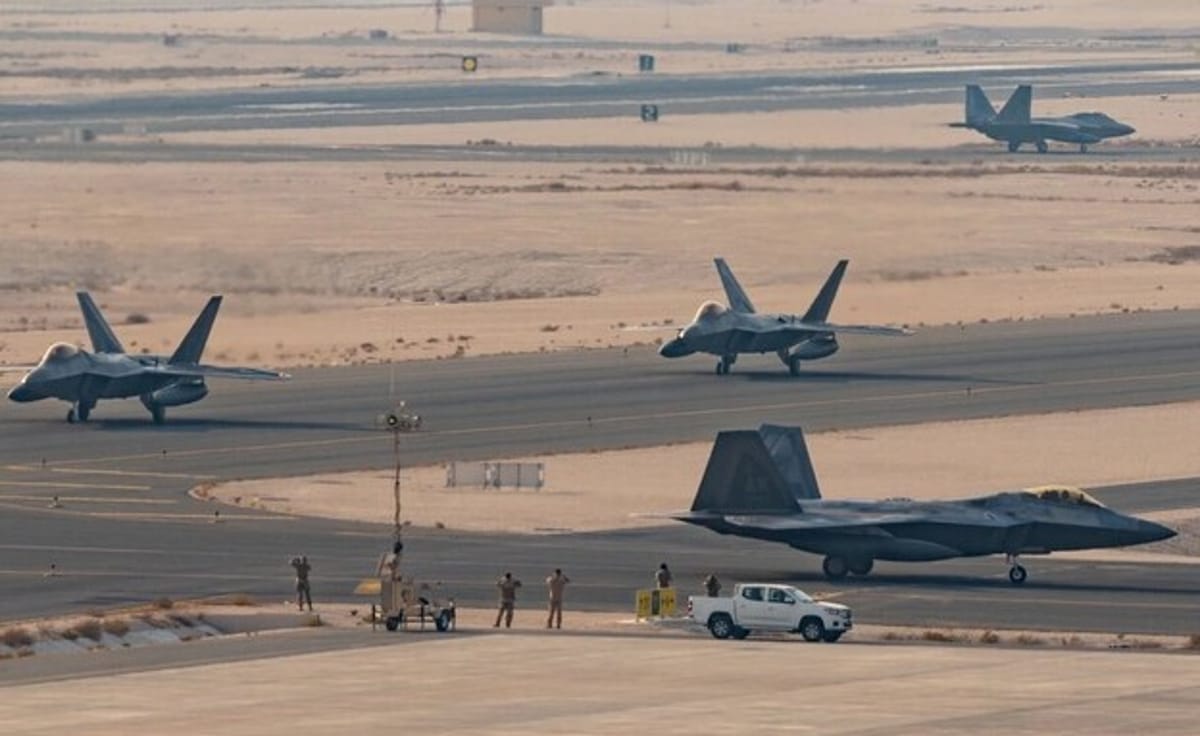
The United States government is reviewing the physical placement of its regional armed forces, exploring options to shift specific commands or total base functionalities to more secure territory. A detailed investigation published by the Wall Street Journal indicates that Israel is currently under serious consideration as a primary alternative for hosting expanded American combat units or technical capabilities. This strategic reassessment follows extensive collaborative operations where Israeli facilities hosted dozens of American fighter wings and refueling platforms.
The urgent security review was initiated after extensive ordnance impacts caused severe damage to at least 20 American military bases and diplomatic compounds throughout the theater of war. Defense officials are looking into downsizing the visible footprint of American forces stationed in Kuwait and Saudi Arabia while shifting critical command centers completely underground. Senior strategists are also looking into dispersing vital military capabilities across a much wider array of smaller installations to decrease their vulnerability to ongoing missile salvos.
A significant portion of the unpublicized structural damage was sustained by the United States naval installation in Bahrain, which serves as the primary command center for maritime operations in the region. Elite missile forces and explosive drone waves launched by regional adversaries between late February and June inflicted extensive structural wreckage that the Pentagon withheld from public disclosures. The physical impacts compromised the primary base headquarters, at least 12 auxiliary military structures, and two vital satellite communication terminals.
Military leadership maintains that the defensive choices made during the height of the bombardment successfully prevented a massive loss of life among stationed personnel. "During the war, priority was given to protecting human life and not infrastructure," United States Central Command spokesperson Captain Tim Hawkins confirmed in an official statement. Hawkins noted that the adversary deployed more than 8,000 missiles and drones toward American installations, though only two specific strikes resulted in American fatalities.
The command spokesperson further emphasized that Western counter strikes inflicted far greater damage on the adversary's domestic industrial base than the coalition sustained. United States forces successfully struck more than 13,500 targets inside sovereign territory to degrade enemy launching capabilities. Despite these successful counter strikes, the immense financial toll of the defense infrastructure damage has ignited tense internal budgeting debates.
Independent assessments published by the Center for Strategic and International Studies indicate that the total structural damage to American bases during the war ranges between 2.2 billion and 5.1 billion dollars. Internal defense models and official procurement records indicate that rebuilding the damaged naval infrastructure in Bahrain alone will cost roughly 400 million dollars. This immense figure excludes the supplementary costs required for debris removal, specialized structural reinforcement, and secondary logistical support.