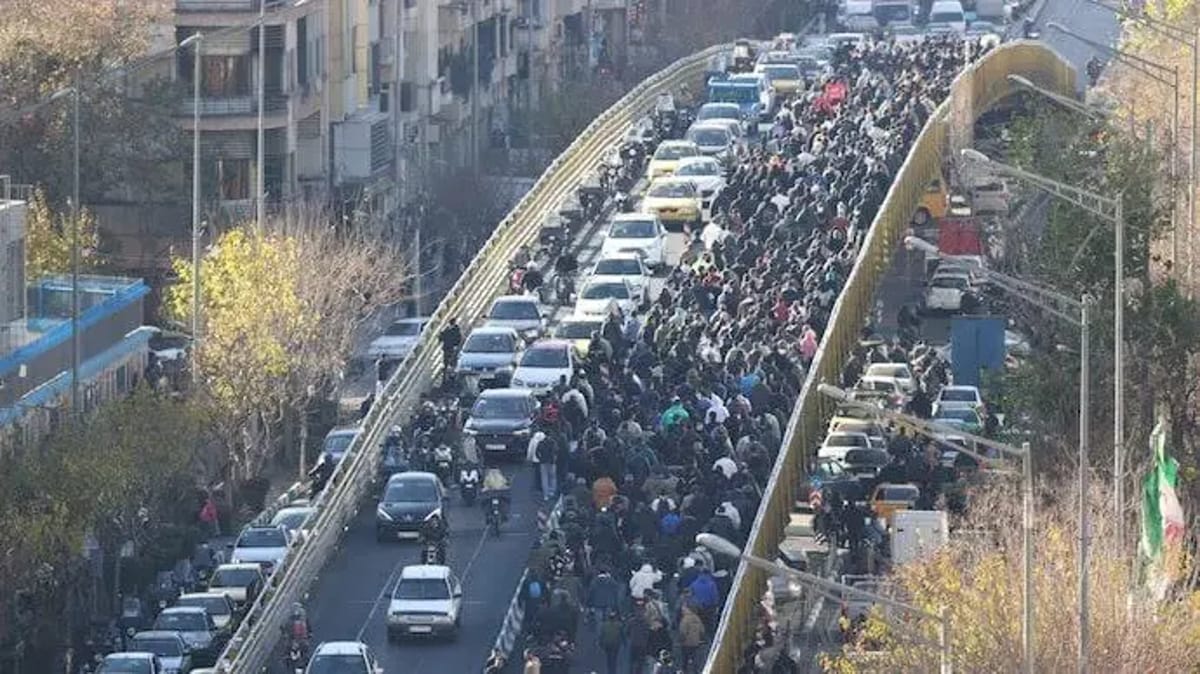
While the world watches the smoke rising from Iranian cities, the question remains whether this movement can actually topple the Islamic Republic. History suggests that regimes fall under specific conditions, and currently, Iran is testing those boundaries. Experts point to three main indicators for a successful revolution. The first is the continuity of the protests. If the demonstrations can survive into their second and third weeks without losing intensity, the regime's ability to suppress them with the Basij will be severely strained. Unlike previous short lived outbursts, the current "momentum of rage" is building daily, with students, bazaar merchants, and even civil servants joining the fray.
The second and perhaps most vital indicator is a split within the military. While the Revolutionary Guard and the Basij are ideologically bound to the Supreme Leader, the regular Iranian army consists of conscripts and professional soldiers who share the same economic hardships as the protesters. In Egypt in 2011, the revolution succeeded because the army refused to fire on the people. If a regular army division were to move to protect protesters or seize a government building, it would signal the end of the regime’s monopoly on force. Currently, there are no signs of such a defection, but the increased brutality of the Basij could eventually force the hand of the regular military.
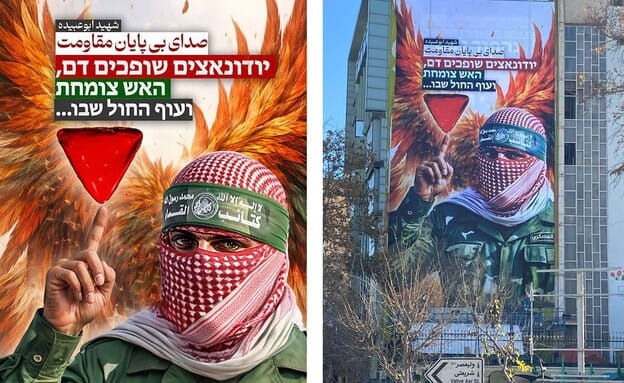
The final factor is the lack of a centralized opposition. Unlike the Syrian war, where organized groups eventually emerged, the Iranian protests remain largely leaderless. While this makes it harder for the regime to decapitate the movement, it also makes it difficult for the protesters to coordinate a final push for power. Interestingly, the regime has already begun its traditional propaganda campaign, claiming the terrorists of Hamas, Israel, and the United States are behind the unrest. However, a resident of Tehran reaching out to the outside world dismissed these claims, sending a message of friendship to "our old friends, the Israelis," and stating that the people are no longer looking at where the security forces are positioned, they are simply walking out into the streets to reclaim their country. For Israel and the West, the best course of action is believed to be silence, as any external interference would allow the regime to paint the protesters as foreign agents rather than a people fighting for their own bread and freedom.