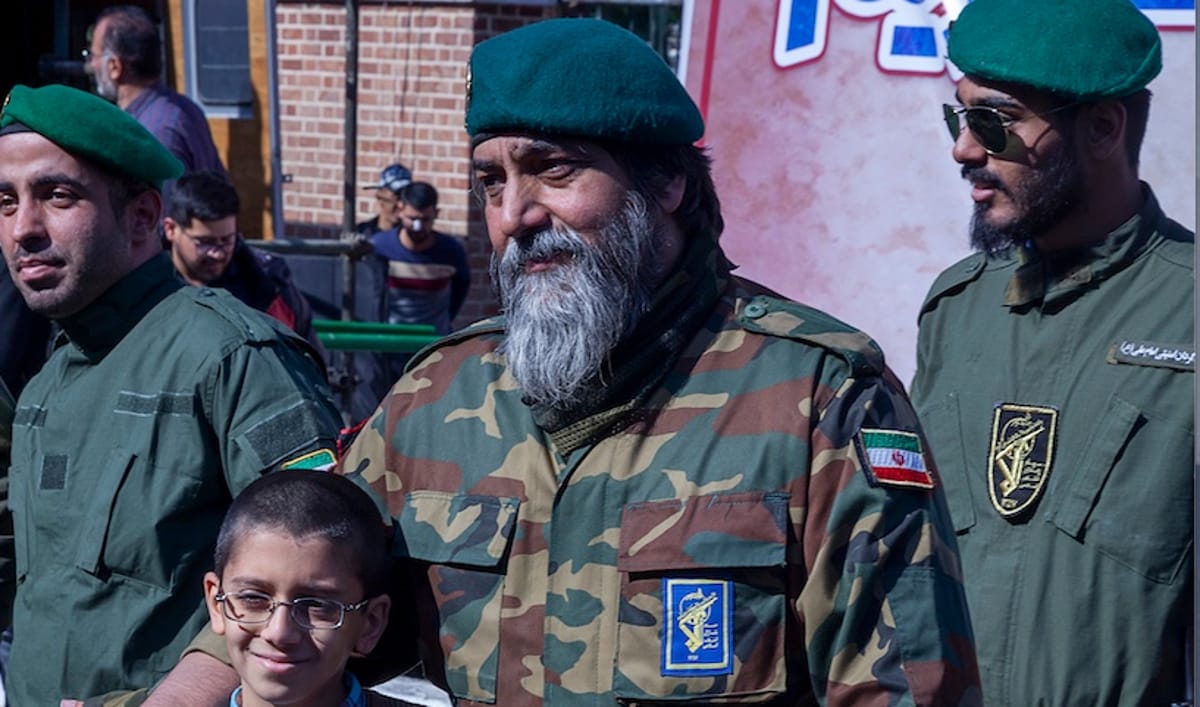
The ongoing wave of popular unrest in the Islamic Republic of Iran has reached a lethal turning point, marking the first reported fatality among the state's security apparatus. On Wednesday evening, reports confirmed that a fighter from the Basij, the paramilitary wing of the Islamic Revolutionary Guard Corps, was killed during a violent confrontation in the city of Hamadan. The incident serves as a grim milestone in the current cycle of protests, which have rapidly evolved from economic grievances into a direct and physical challenge to the leadership in Tehran. As the streets remain hot and the government struggles to maintain control, the potential for a localized war between the citizenry and the regime's enforcement arms continues to grow.
According to reports from the Mehr news agency, the fatality occurred when a large group of protesters moved to storm the local Basij headquarters in Hamadan, located in western Iran. The attack resulted not only in the death of the paramilitary fighter but also in the wounding of at least thirteen other individuals, a group that included both Basij members and local police officers. This escalation follows four consecutive days of intensifying demonstrations sparked by severe economic distress, the sharp devaluation of the Iranian rial, and a general sense of political exhaustion among the populace.
The violence in Hamadan is part of a broader pattern of defiance seen across the country. In the city of Asadabad, protesters were documented setting fire to another Basij structure, while footage circulating online shows crowds chanting slogans directly targeting the Supreme Leader, Ali Khamenei. Unlike previous waves of unrest that were often confined to specific neighborhoods in the capital, the current movement has demonstrated a willingness to engage with state institutions directly. The targeting of the Basij is particularly significant, as the group is the primary tool used by the regime to suppress domestic dissent.
As the government tries to balance a softer public rhetoric with tactical crackdowns, the structural failures of the Iranian economy continue to serve as the primary fuel for the fire. The regime can attempt to reshuffle its cabinet or promise reforms, but the daily reality of inflation and subsidy cuts has pushed many Iranians to a point of no return. With the first death of a regime fighter now confirmed, the strategic calculus for both the protesters and the security forces has shifted. The streets are no longer just a place for chanting, they have become a battlefield where the very survival of the current leadership is being tested by a population that has lost its fear of the state's traditional instruments of power.