The Capture at the Border
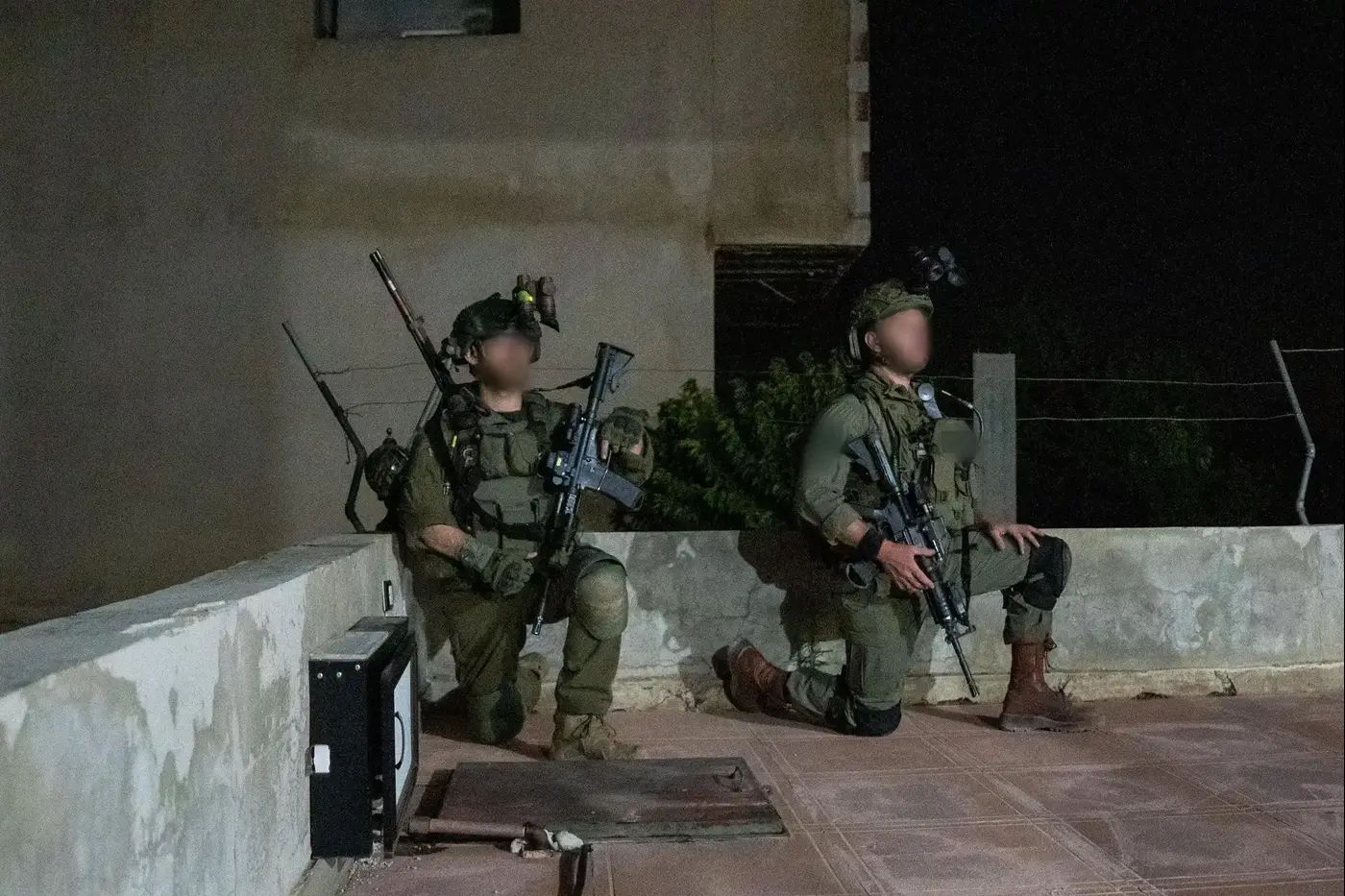
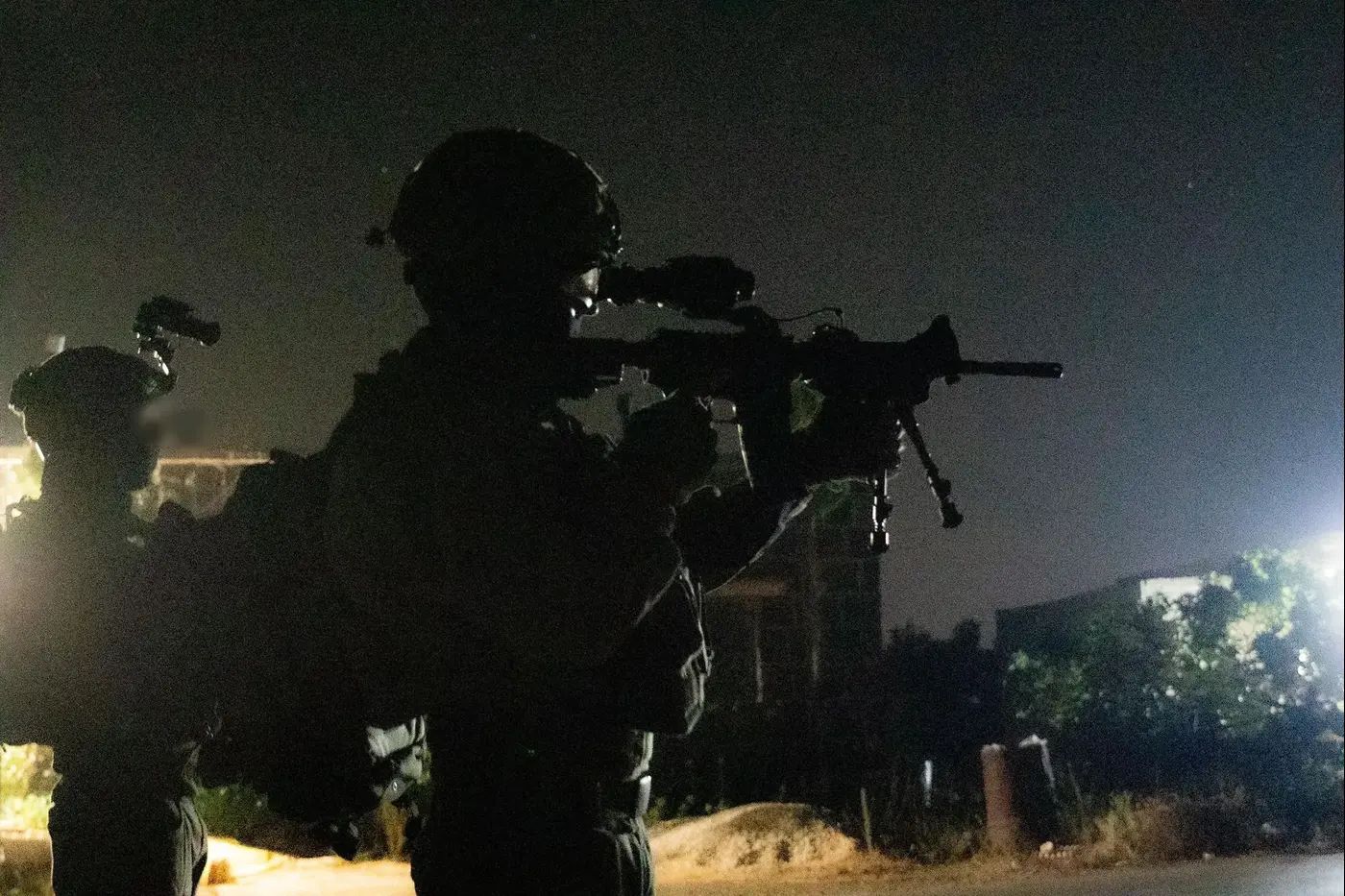
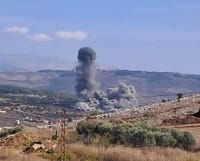
During a high stakes night operation last week, soldiers from the 52nd Battalion of the Golan Brigade (474) apprehended a Syrian national in the town of Rafid. The town occupies a critical strategic position in the southern Syrian Golan Heights, overlooking the border with Israel. Intelligence indicates the suspect was being operated by ISIS terrorists to gather intelligence on IDF troop movements and identify potential infiltration routes into Israeli territory.
The operation was conducted alongside field interrogators from the Intelligence Directorate's Unit 504. Following his arrest, the suspect was transferred to Israel for questioning, while a cache of weapons and combat equipment found at the scene was confiscated.
The Power Vacuum and the Prison Breaks
Security assessments suggest that ISIS never truly left Syria, it simply adapted its methods. Following the fall of Bashar al-Assad, the terror group has moved to reclaim abandoned territories in the Syrian desert and eastern regions where the harsh terrain provides natural cover.
A major turning point for the group was the mass prison breaks that occurred during the regime's collapse. Thousands of experienced commanders and fighters were freed, providing ISIS with the manpower needed to launch a new campaign. Israeli security officials fear that these radicalized veterans are now being sent south to challenge Israeli forces.
Operation "Hawk’s Eye" and the American Response
The threat is not limited to Israel’s borders. Last week, the United States military launched Operation "Hawk’s Eye" in eastern Syria. This massive counter terrorism offensive was triggered by a lethal ISIS ambush that killed several American soldiers. In coordination with the Jordanian military, the U.S. has targeted dozens of ISIS infrastructure sites and hideouts.
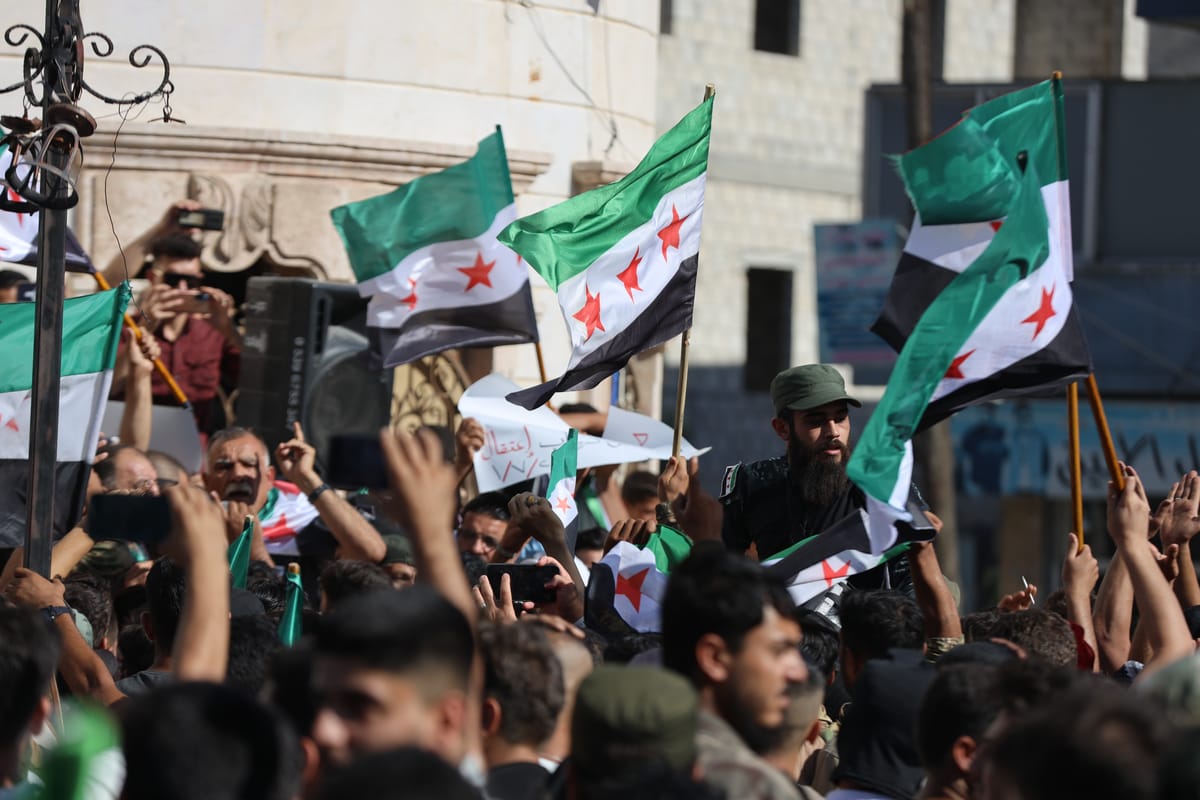
While ISIS has not yet fully established itself in southern Syria, it is currently in a "probing" phase, using money and weapons to recruit locals. Interestingly, ISIS also views the new Syrian leadership under Abu Mohammad al-Julani as "infidels" due to his cooperation with moderate Sunni states and the Americans.
Israel’s Security Buffer
In response to these developments, the IDF has significantly increased engineering activity and patrols along the border. By thickening physical obstacles and enhancing operational control, Israel aims to create a security buffer that prevents terrorists from reaching the fence. The goal is to deny the Islamic State the opportunity to establish a new front in the ongoing war for regional stability.