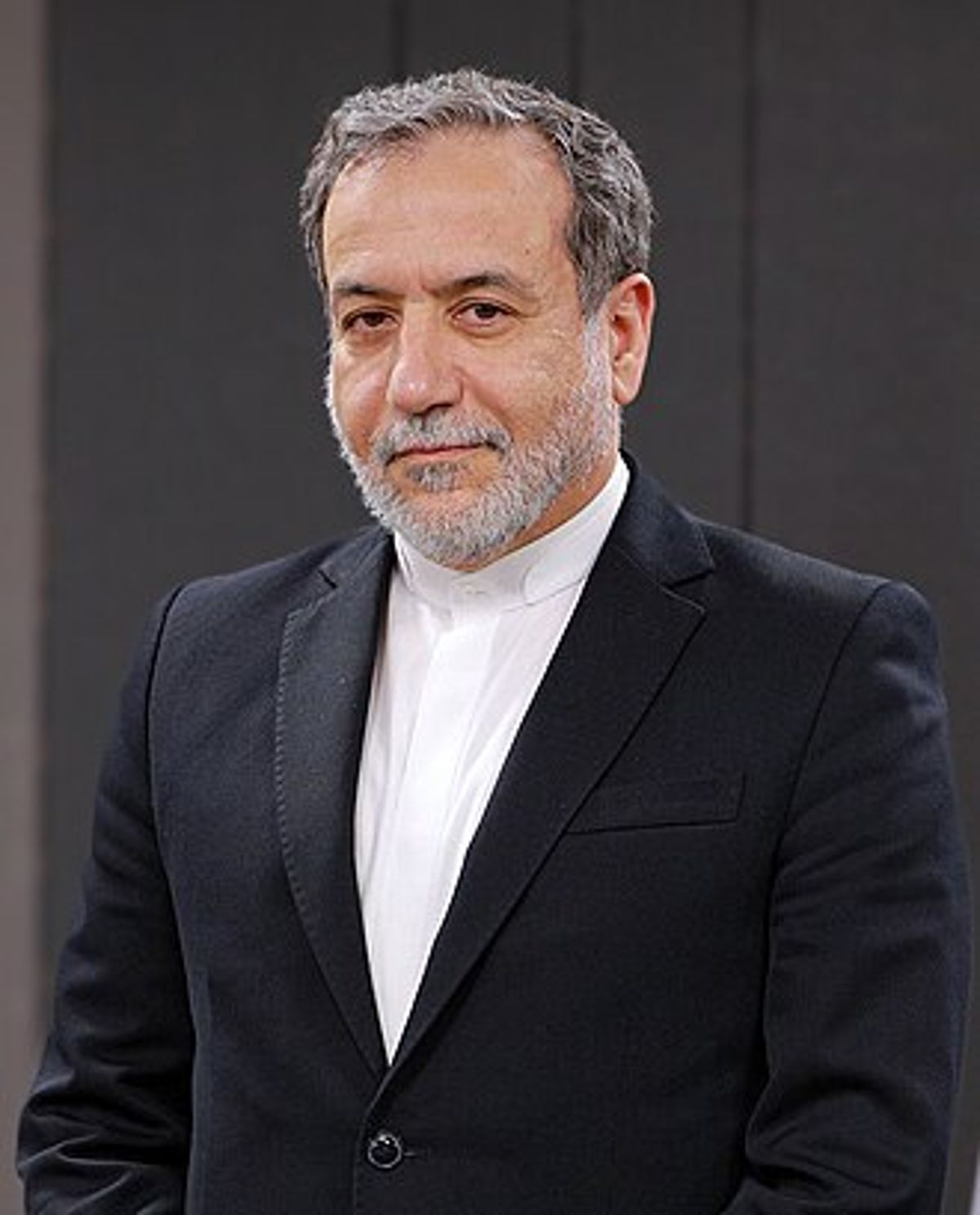
In a surprising shift that suggests a genuine push for a diplomatic resolution to the current war, the United States and Israel have temporarily removed two of Iran’s most senior leaders from their targeted elimination lists. According to reports from the Wall Street Journal, Parliament Speaker Mohammad Baqer Qalibaf and Foreign Minister Abbas Araqchi have been granted a brief window of safety, lasting approximately four to five days. This temporary reprieve is intended to create the necessary political space for high-level messages to be exchanged and for a potential framework for ending the hostilities to be discussed without the immediate threat of a decapitation strike.
A Window for Diplomacy
The decision to spare Qalibaf and Araqchi comes at a time of extreme vulnerability for the Iranian leadership, which has already seen its top military and political echelons decimated. U.S. officials indicated that the removal is part of a calculated effort to promote contact with the "remnants of the regime" who might be capable of negotiating a surrender or a ceasefire. While Foreign Minister Araqchi continues to publicly deny that formal negotiations are taking place, claiming that only "messages" are being exchanged through intermediaries, the temporary halt in targeting suggests that the communication is substantial enough to warrant a pause in kinetic operations against these specific individuals.
Despite the temporary immunity, the atmosphere remains incredibly tense. While these two figures may be safe for the next few days, the broader war against Iran’s military infrastructure continues unabated. Israeli and American intelligence agencies are closely monitoring the movements of both men, and it is understood that if the 48-hour to five-day window passes without a significant diplomatic breakthrough, they will likely be returned to the active target list. This "strategic mercy" serves as both an olive branch and a final warning, giving the regime’s surviving leadership a clear choice: engage in productive talks or face the same fate as their predecessors.