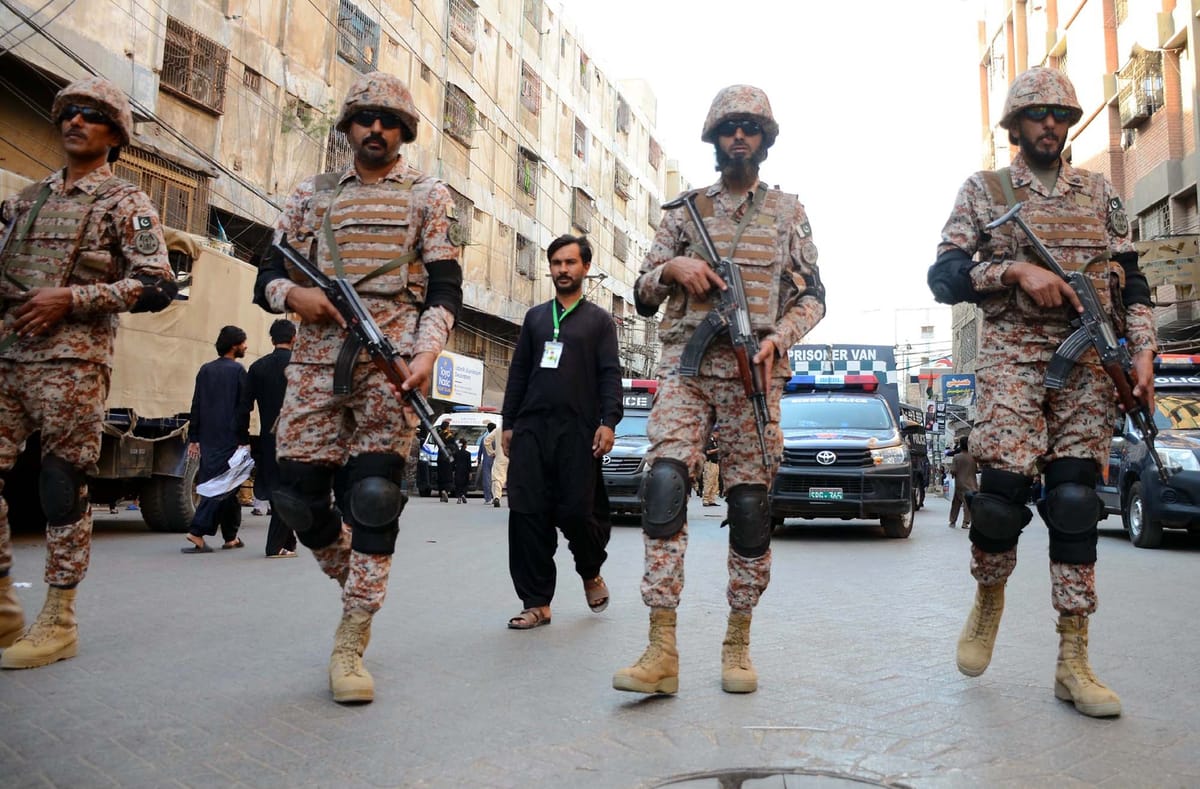
Pakistan has executed a massive, unpublicized military deployment to Saudi Arabia, dispatching a combat force of 8,000 troops, a full squadron of fighter jets, and sophisticated surface-to-air missile systems. According to intelligence and government sources who spoke to Reuters on Monday, this significant reinforcement was triggered by recent cross-border strikes that pierced the Kingdom's air defense network. Remarkably, this deployment occurred precisely as Islamabad was cementing its role as the primary diplomatic mediator between the United States and the Iranian regime.
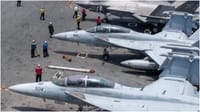
The scale of the deployment, which is reported here in full detail for the first time, was verified by three senior security officials and two government representatives who reviewed the confidential files. The arriving assets include a full squadron of approximately 16 JF-17 Thunder fighter jets, which were developed jointly by Pakistan and China, alongside two complete squadrons of long-range surveillance and strike drones. These aerial forces arrived at western Saudi airbases in early April, positioning themselves to intercept incoming threats before they reach critical infrastructure.
To shield Saudi Arabia’s vulnerable oil terminals and urban centers, Islamabad has also deployed the sophisticated Chinese-built HQ-9 long-range air defense system. The entire hardware array is operated directly by Pakistani military personnel but is funded completely by the Saudi treasury under a secret mutual defense treaty signed last year. While official representatives in Islamabad and Riyadh declined to issue formal comments, the language of the underlying agreement binds both nations to treat an attack on one as an attack on both.
Diplomatic sources suggest that the defense pact carries immense strategic weight, with Pakistani Defense Minister Khawaja Asif previously implying that the arrangement places the Saudi Kingdom under Pakistan's active nuclear weapons umbrella. Furthermore, a government official who examined the classified document revealed that the legal framework allows for the rapid expansion of the force up to a maximum of 80,000 Pakistani troops if the security environment along the Saudi borders deteriorates further into open warfare.
The sudden arrival of these forces followed a series of highly destructive Iranian strikes that targeted major Saudi energy infrastructures and resulted in civilian casualties. The attacks raised severe concerns in Washington and Jerusalem that Riyadh would launch a massive conventional retaliation, a move that would have instantly widened the regional war. Before taking over the primary mediation track, Islamabad moved its forces to act as a physical buffer, giving the regime in Tehran a clear signal that further strikes on the Kingdom would trigger a confrontation with Pakistan.
While the Pakistani contingent is officially designated to fulfill advisory and instructional roles, the composition of the force proves it possesses immense offensive capabilities. This development highlights the deep historical ties between the two nations, where Riyadh frequently provides multibillion-dollar financial lifelines to stabilize Islamabad’s economy in exchange for strategic military protection. As the current ceasefire remains fragile, this shadow army stands ready to defend the western flank of the Gulf, transforming Pakistan into both a primary broker of peace and a heavily armed combatant.