Senior figures within the Israeli defense establishment are mounting intense pressure on the political echelon to authorize a significant shift in targeting strategy against the Iranian regime. As the government continues to wait for President Donald Trump to announce his next steps, military planners are arguing that the conventional approach of targeting isolated military bases or ammunition storehouses is no longer sufficient. Instead, they are advocating for an immediate, tiered strike campaign against Iran’s vital national and civic infrastructure nodes to alter the regime's behavior.
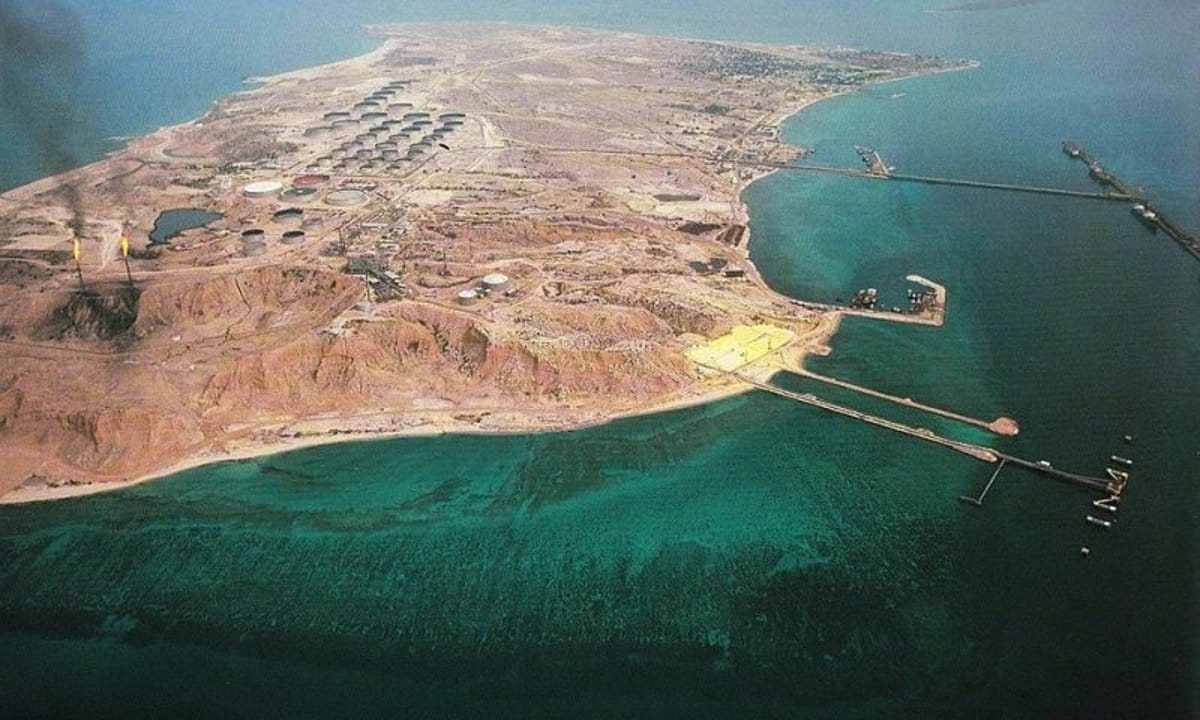
According to senior defense sources, the strategy relies on hitting the core assets that sustain the Iranian economy and the regime's domestic rule. The primary targets on the table include major energy and fuel installations, which represent the ultimate financial lifeline for the Ayatollahs. Specifically, planners have identified the massive oil refineries and export terminals on Kharg Island and Bandar Abbas as high-priority locations, noting that disabling these facilities would immediately freeze the regime's capability to export crude and generate foreign currency.
The proposed campaign also encompasses the systematic destruction of the domestic electrical grid, targeting major power stations and heavy power transformers. Because these industrial transformers are custom-built components that require months to manufacture and import, their elimination would cause long-term, irreversible blackouts. This would effectively paralyze local weapons manufacturing facilities, domestic communications networks, and the internal security apparatus used to control the population.
Military leaders believe that shifting the war to national infrastructure will create an insupportable "loss matrix" for the shadow leadership in Tehran, led by Mojtaba Khamenei. By accelerating the negative economic trends already tearing through the country, the strikes are intended to ignite widespread anti-regime protests. The defense establishment argues that the current economic pressure campaign is working too slowly, allowing the regime to stall for time under the cover of negotiations while continuing its march toward a nuclear breakout.
A key component of this strategy involves using advanced cyber operations alongside conventional air power. Cyber units have reportedly mapped the command and control systems of Iranian ports, rail networks, and state-owned banking institutions, preparing to induce a state of total administrative paralysis. This multi-dimensional approach is designed to prove to the ruling elite that the cost of preserving their nuclear ambitions is the complete collapse of the modern infrastructure of their state.
The debate over infrastructure targeting comes at a delicate moment for the White House, which is attempting to balance global energy prices against the necessity of forcing an Iranian surrender. While some political advisors fear that striking oil facilities will trigger inflation ahead of the U.S. midterm elections, Israeli security leaders maintain that a decisive blow is the only way to prevent a prolonged war of attrition. As the Security Cabinet prepares to meet, the consensus among the top brass is clear: the fastest path to peace is the systematic disabling of the regime's economic foundation.