Military planners in Washington and Jerusalem are evaluating unprecedented operational plans to launch special forces operations aimed at seizing Iran's enriched uranium, amidst a backdrop of fading domestic support for the war. Reports emerging from high level defense circles indicate that the Pentagon is actively preparing for a potential resumption of the military campaign previously known as Operation Epic Fury.
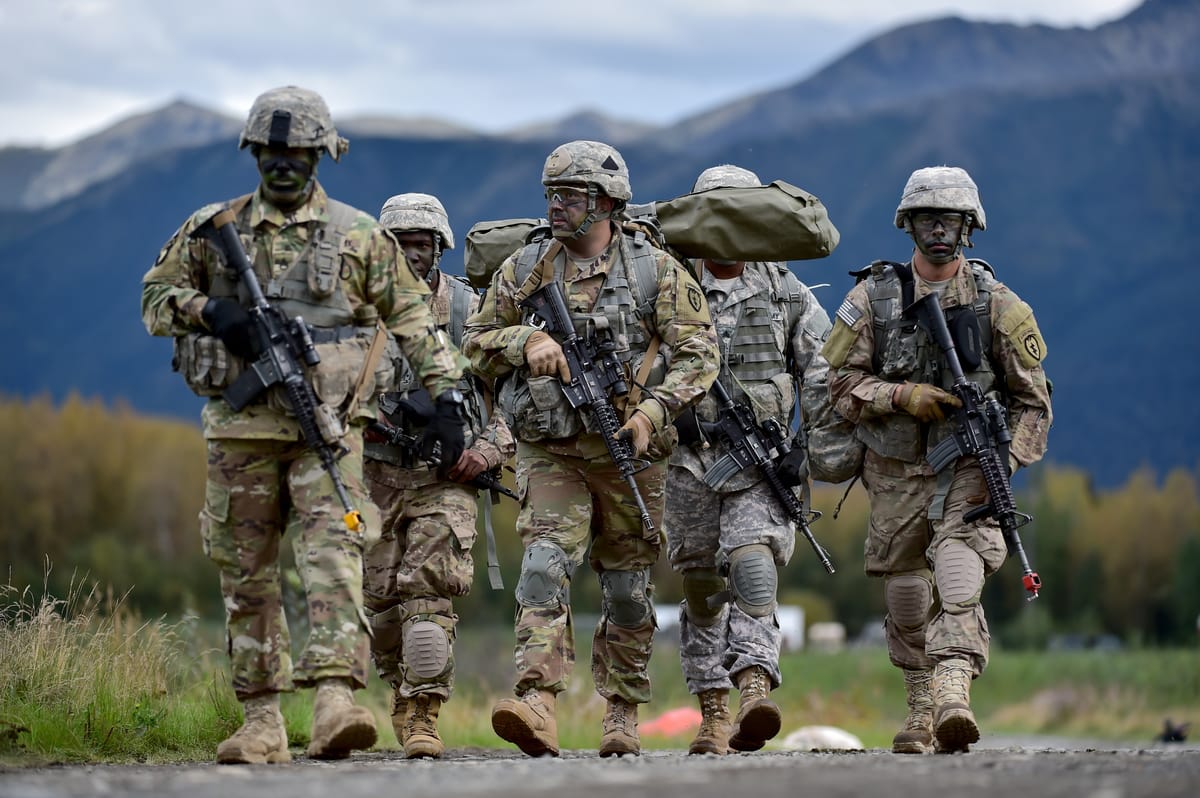
While aerial bombardments remain the primary tool of enforcement, planners are now looking at a far more dangerous option, specialized ground operations designed to physically seize and secure Iran's remaining stockpiles of enriched uranium. This consideration underscores the deep anxiety in both Washington and Jerusalem that standard airstrikes may not be enough to completely eliminate the nuclear threat. However, military analysts warn that launching ground forces into highly fortified facilities carries an immense risk to American lives and could dramatically worsen domestic opposition to the war.
The political reality inside the United States is becoming increasingly complicated for President Trump. A newly released New York Times and Siena College poll reveals a sharp public backlash against the continuation of the war, with sixty four percent of Americans stating that the decision to enter the war was wrong, while only thirty percent view it as correct.
While support remains steady among the President's core political base, independent voters have shown a significant shift in sentiment. The general approval rating for the administration has slipped to thirty seven percent, driven largely by a fifty percent surge in global oil and gasoline prices caused by the ongoing maritime crisis in the Strait of Hormuz.
In an effort to avoid total devastation, Tehran has attempted to open a backchannel line of communication, utilizing Pakistan as a central intermediary to deliver a revised diplomatic proposal to the White House. The Iranian offer reportedly demands a permanent halt to the war, the full reopening of the Strait of Hormuz, and the complete removal of all economic sanctions.
Crucially, the proposal seeks to delay any serious discussion regarding their nuclear capabilities to a much later stage of negotiations. President Trump has rejected this approach as a transparent attempt to buy time, taking to social media to deliver a stark warning that the clock is ticking and that the regime must move quickly, otherwise there will be nothing left of them.