The Knesset Education, Culture and Sports Committee is moving quickly to advance a controversial bill that would place antiquities in Judea and Samaria under direct Israeli civilian authority, a move critics say would amount to de facto annexation.
The committee, chaired by Religious Zionism MK Zvi Sukkot, met Monday to begin preparing the bill for its second and third readings. Additional meetings were scheduled for Tuesday and Wednesday. Likud MK Amit Halevi, who sponsored the bill, said he hopes it will be approved in the coming week.
The legislation is being advanced as the Knesset may soon begin proceedings to dissolve itself and trigger elections. Once the Knesset is dissolved, permanent legislation cannot move forward until after the vote.
If passed, the bill would create a civilian Judea and Samaria Heritage Authority to take over responsibilities currently held by the Defense Ministry’s Civil Administration. The authority would be subordinate to the heritage minister rather than to the military commander in the area.
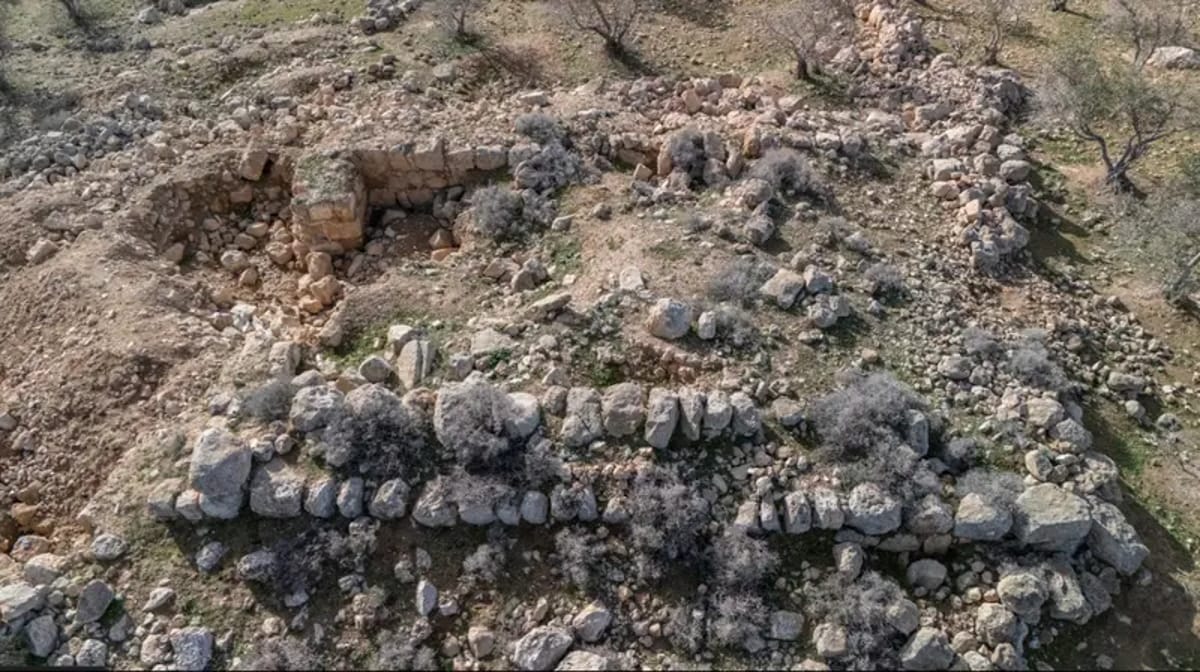
The new body would have authority to excavate, conserve, restore, manage and develop archaeological sites and artifacts. It would also be able to conduct research and acquire or expropriate land for the purpose of protecting and developing antiquities sites.
Halevi said the bill would create an organized body to manage what he called Israel’s spiritual and cultural treasures in Judea and Samaria, while doing so through Israeli legislation.
Defense Ministry legal adviser Ayala Roash warned that the proposal would create a new legal model by applying direct Israeli governmental authority in Judea and Samaria outside the military framework.
“This proposal removes the authority of the military commander,” Roash said, adding that it contradicts the existing framework through which Israel manages the area.
She also noted that the bill appears to apply to Areas A and B, where the Palestinian Authority has civilian responsibility, creating additional legal difficulties.
The proposal has drawn criticism from archaeologists and legal experts. While there is broad agreement that antiquities in Judea and Samaria have suffered from looting, vandalism and neglect, critics argue the bill would not improve preservation and could expose Israeli archaeologists to boycotts and international funding cuts.
Opponents also argue that the government is using archaeology to advance annexation without saying so directly.
The original version of the bill would have given responsibility for Judea and Samaria antiquities to the Israel Antiquities Authority. After the IAA rejected the proposal last year, Halevi introduced a revised version creating a separate authority.
The bill is advancing as Heritage Minister Amichai Eliyahu moves to appoint Esther Schreiber as head of the IAA. Schreiber, who is ideologically aligned with Eliyahu, has limited experience in archaeology and her appointment still requires approval by the IAA council and the government. If confirmed, she would become the first woman to lead the authority.