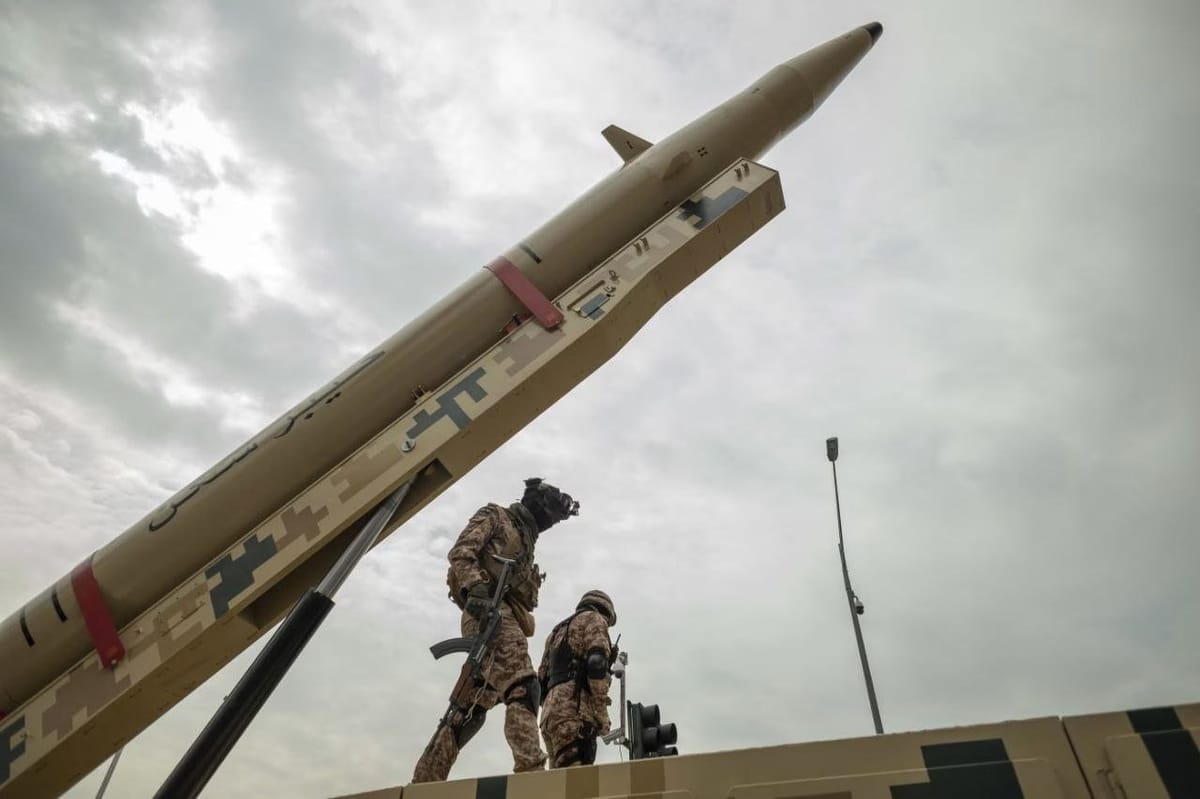
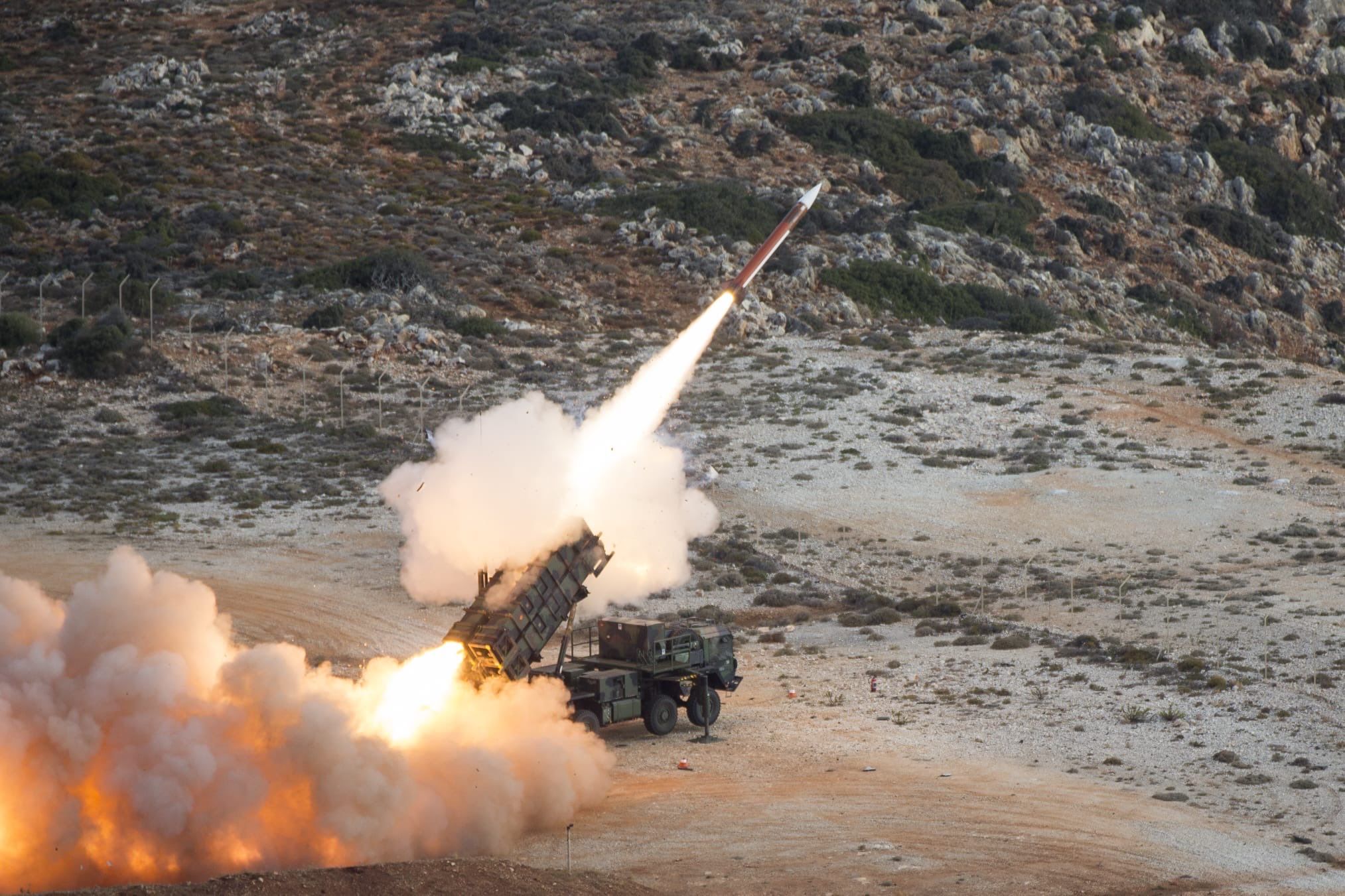
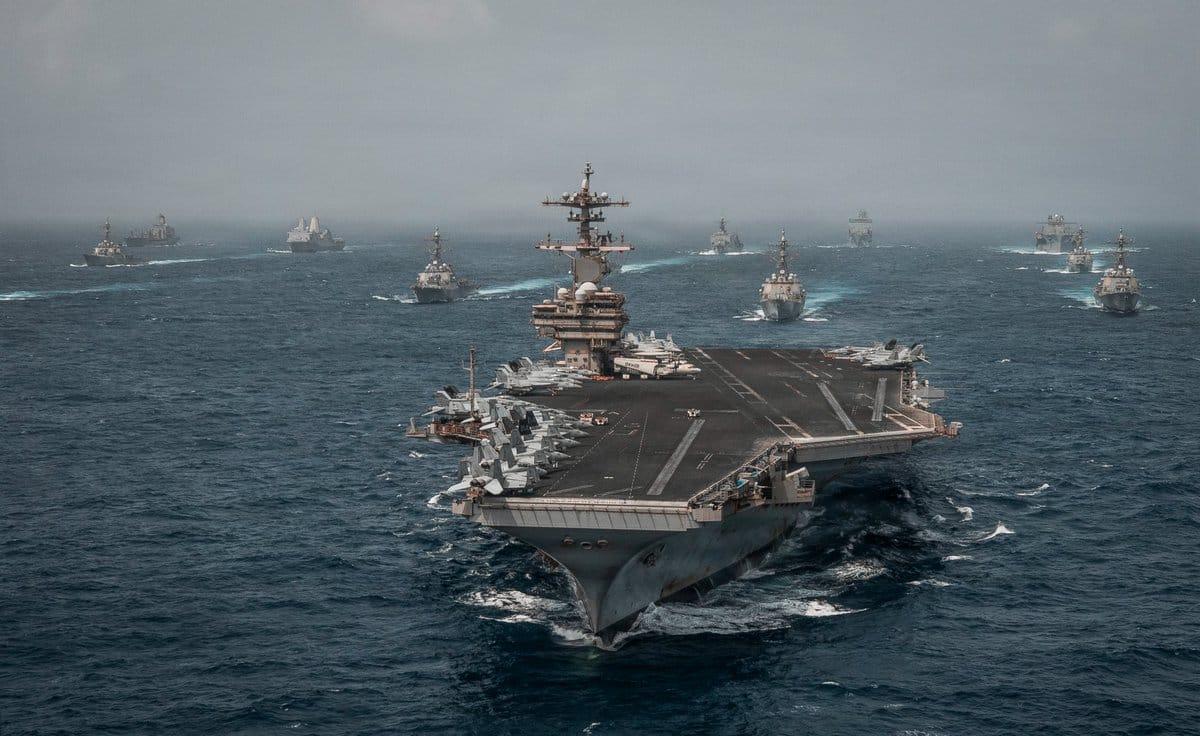
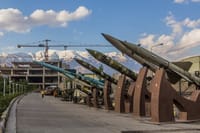
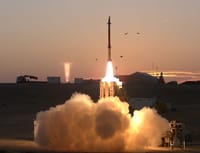
The immediate implication is that Iran does not face "inventory depletion". It has enough firepower and regeneration capacity to conduct a prolonged confrontation, a war of attrition, not just a short round. This changes the balance of deterrence. Future strikes by the US or Israel will meet a force capable of responding, not an exhausted enemy.
The joint air campaign may have achieved tactical gains: temporary damage, delays, harm to exposed facilities. But it did not deliver strategic decision. The pace of Iranian recovery surprised Western professionals, and demonstrated once again the gap between physical destruction and breaking a deep, distributed production capability.
The asymmetric threat is only growing stronger. Indigenous capacity allows Tehran to continue feeding the "axis of resistance", militias in Iraq, Yemen and Lebanon. At the same time, anti-ship weapons stocks remain intact, actively threatening shipping lanes in the Strait of Hormuz, the lifeline of the global energy market.
There are diplomatic implications as well. When military leverage does not eliminate production lines, Tehran comes to the negotiating table with greater confidence. The United States is forced to reconsider: whether to settle for a ceasefire on less favourable terms, or to plan far more extensive and intensive waves of strikes, with all the risks that entails.
This story is not only about numbers of missiles and drones. It is about a long-term strategy that proved itself under pressure. Iran did not win the air campaign, but it also did not lose the ability to keep fighting. Dispersal, fortification, ready stocks and external assistance created a resilience system that is hard to dismantle in a single blow.
The October 2026 data recall an old lesson: in the Middle East, physical destruction does not always equal strategic decision. As long as the capacity to produce and assemble is preserved beneath the mountains, the threat remains alive and ready to awaken again.