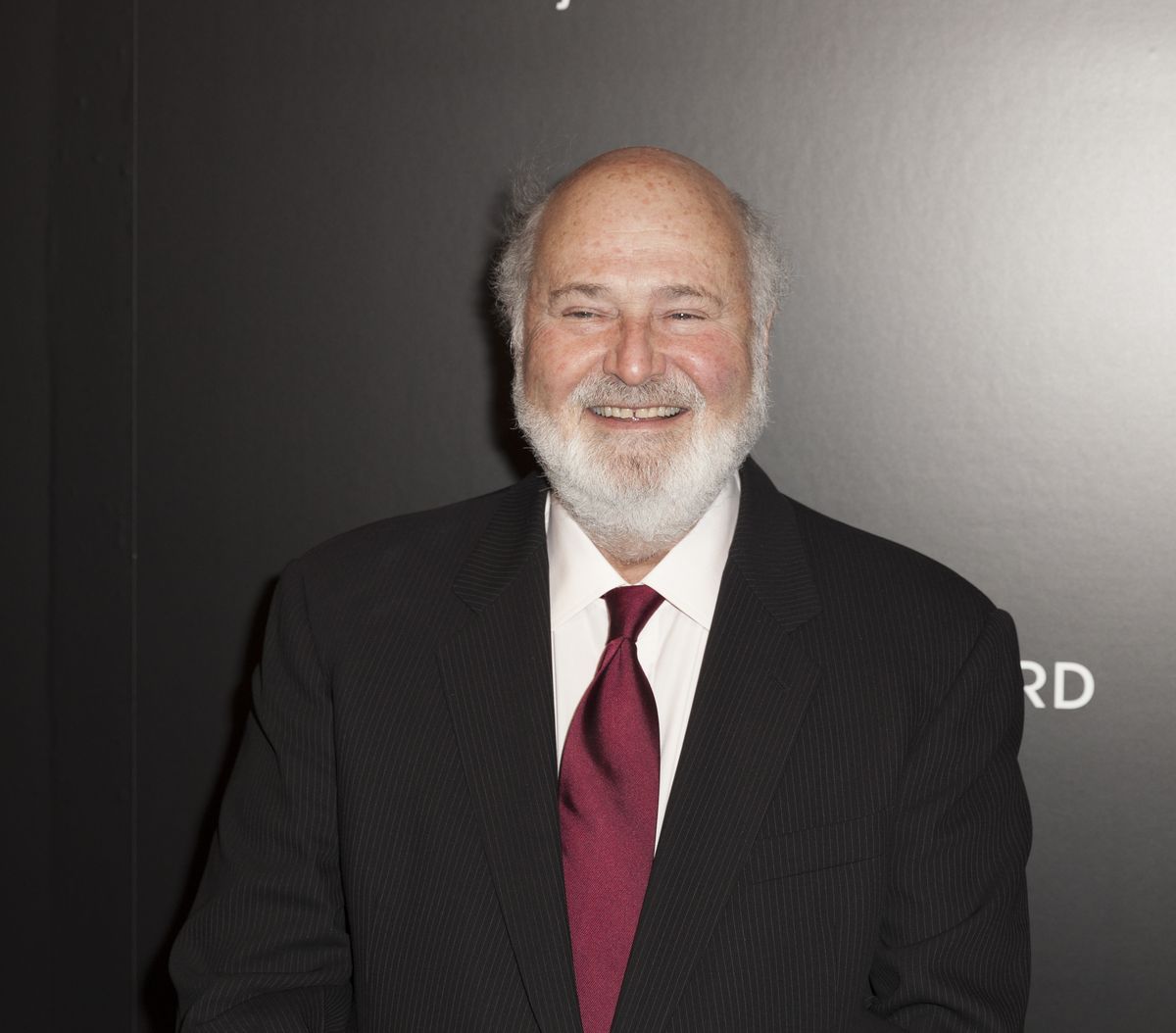
Rob Reiner’s best films have a rare confidence: warm without being soft, funny without being cruel, and smart without demanding applause. In the wake of his tragic death in December 2025, revisiting that work feels less like ranking achievements and more like taking stock of an extraordinary creative run.
1947-2025
A Look Back at Rob Reiner's Greatest Hits
Rob Reiner will forever be remembered as one of the greatest filmmakers the world has known. In the wake of his tragic and untimely death, a look back at some of his greatest works.
The Princess Bride (1987)
“The Princess Bride” is a fairy tale that loves fairy tales and also can’t stop teasing them, which is why it works for basically everyone. Reiner lets William Goldman’s script do its magic trick: romance, adventure, parody, and sincerity all at once. The movie is endlessly quotable, but it’s not just a quote machine. Its emotional beats land because the film never treats wonder as embarrassing. Cary Elwes plays Westley with storybook purity, Robin Wright makes Buttercup more grounded than the archetype, and the supporting cast is a parade of perfect choices: Patinkin, Shawn, Andre, Guest. It’s timeless because it understands that fantasy works best when it feels human.
This Is Spinal Tap (1984)
“This Is Spinal Tap” didn’t just popularize the mockumentary; it basically handed the format its operating manual. Reiner directs the fictional heavy-metal meltdown with documentary straightness, which is exactly why it’s so funny. The band’s disasters pile up, but nobody winks at the camera like they know they’re in a joke. The comedy comes from self-importance, from small-minded vanity inflated to arena size: the legendary amp that “goes to eleven,” the endless lineup of drummers meeting cartoonishly grim ends, the solemn debates over album art. It’s satire that never breaks character, and that discipline is why it’s lasted for decades and kept influencing comedy ever since.
Stand by Me (1986)
“Stand by Me” might be Reiner’s most emotionally accurate film. It’s about four boys walking to see a dead body, but really it’s about the first time you realize childhood is not infinite. Reiner directs with empathy and restraint, trusting the kids to carry the movie without forcing “movie-kid” cuteness onto them. The conversations feel lived-in, the silences matter, and the story builds toward a truth that hits harder as you get older: sometimes the people who define you for a season do not stay in your life. It’s a film about friendship that doesn’t lie about friendship. Funny, scary, sad, and honest in the way memory is honest, which is to say, painfully.
When Harry Met Sally (1989)
“When Harry Met Sally” is the romantic comedy that convinced a whole generation to start arguing their feelings like it was a sport. Reiner and Nora Ephron build something deceptively simple: two people meet, collide, separate, reconnect, and slowly run out of excuses. The brilliance is in the details, not the plot. Billy Crystal makes Harry’s neuroses feel like a defense mechanism instead of a gimmick. Meg Ryan makes Sally’s precision both hilarious and genuinely vulnerable. The famous diner scene is iconic, sure, but the movie’s real power is how it nails timing: the years it takes to grow into the kind of honesty that makes love possible. It’s smart, warm, and still sharp.
A Few Good Men (1992)
“A Few Good Men” is Reiner proving he can do classical, high-stakes drama without losing momentum. The film is built on talk: power, duty, loyalty, truth. But Reiner stages it like a thriller, tightening the screws through pace and performance. Tom Cruise’s Navy lawyer is cocky, then cornered, then forced to grow up in public. Demi Moore’s Jo is all competence and pressure. And Jack Nicholson delivers one of the most famous explosions in American film, but the movie isn’t just that moment. It’s about systems, about what people justify in the name of “orders,” and about how hard it is to demand accountability from institutions designed to resist it. Clean, tense, and still wildly watchable.