The Biden-era diplomatic map was redrawn overnight as the Trump administration agreed to an urgent Iranian request to move high-stakes nuclear negotiations from Istanbul to Oman. The shift comes as a massive U.S. naval armada, led by two aircraft carriers, converges on the Arabian Sea in what analysts are calling a "maximum pressure" backdrop to Friday's summit.
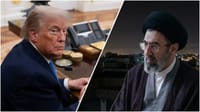
The decision to relocate the talks to Muscat followed a direct plea from Tehran. Iranian President Masoud Pezeshkian reportedly viewed the Omani capital as a more neutral venue for back-channel diplomacy, away from the regional observers initially invited to Turkey.
While the U.S. has agreed to the change in scenery, the fundamental rift remains: Iran is pushing for strictly bilateral discussions focused solely on its nuclear program. Washington, however, continues to demand concessions on ballistic missiles and the cessation of support for regional proxy militias.The "Dark" Armada
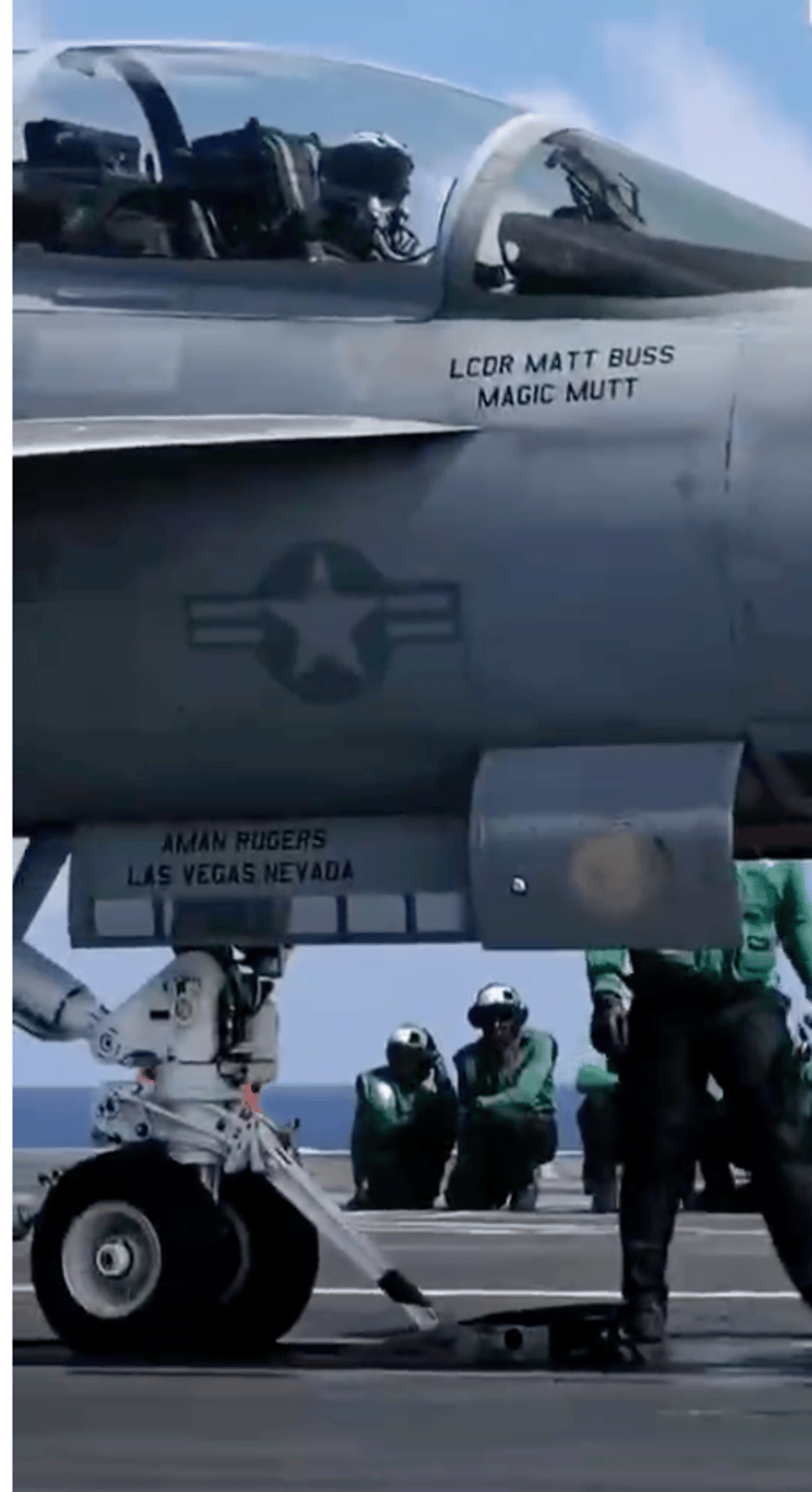
On the water, the posturing has reached a fever pitch. The USS George H.W. Bush (CVN-77)*and its carrier strike group are currently surging toward the Middle East to reinforce the USS Abraham Lincoln, which is already on station.
In a significant tactical move, U.S. naval assets in the region have begun operating under Emission Control (EMCON), minimizing their electronic tracking signatures. This "dark" operational footing is designed to complicate real-time monitoring by Iranian coastal defenses and drone surveillance, preserving what the Pentagon calls "operational ambiguity."
This naval buildup follows a tense week of confrontations, including:
- The Drone Shoot-down: On February 3, an F-35C from the USS Abraham Lincoln downed an Iranian drone that aggressively approached the carrier.
- Strait of Hormuz Harassment: IRGC gunboats reportedly attempted to intercept a U.S.-flagged tanker on Tuesday, retreating only after being shadowed by U.S. warships.
The U.S. delegation, arriving in Muscat for the February 6 session, signals the gravity of the meeting. U.S. Special Envoy Steve Witkoff will lead the talks, with reports confirming that ared Kushner will also attend. They are slated to meet with Iranian Foreign Minister Abbas Araghchi in the first significant face-to-face engagement since the June 2025 airstrikes on Iranian nuclear sites.
President Trump has maintained a characteristic "carrot-and-stick" rhetoric, signaling openness to a deal while publicly referencing the "massive fleet" now at his disposal. "If we can work something out, that’d be great," Trump told reporters. "And if we can’t, probably bad things would happen."
As of Wednesday morning, no official joint statement has been issued by the White House or the Omani authorities, but the world’s eyes are fixed on Muscat as the Friday deadline approaches.