Hamas expressed willingness on Friday to release the 48 hostages it has held for about two years, but according to the Wall Street Journal report, citing sources familiar with the details, the language used by the Hamas organization in its announcement is problematic. According to those sources from the mediating countries, Hamas has not reached an internal agreement on two key clauses in Trump's plan: disarming the organization and the conditions for releasing all hostages.
According to the report, senior organization officials located outside Gaza support accepting Trump's proposal, but they have "limited influence" on the organization's commanders in Gaza who oppose the proposal. Trump is fed up with Hamas: This is the threat and ultimatum he issued to them - if they do not respond positively to the deal he proposed
The "last commander" of Hamas remaining in Gaza, Izz ad-Din al-Haddad, stated that he is willing to compromise and ready to give up rockets and offensive weapons but demands to keep light weapons in the organization's hands, claiming they are "defensive weapons."
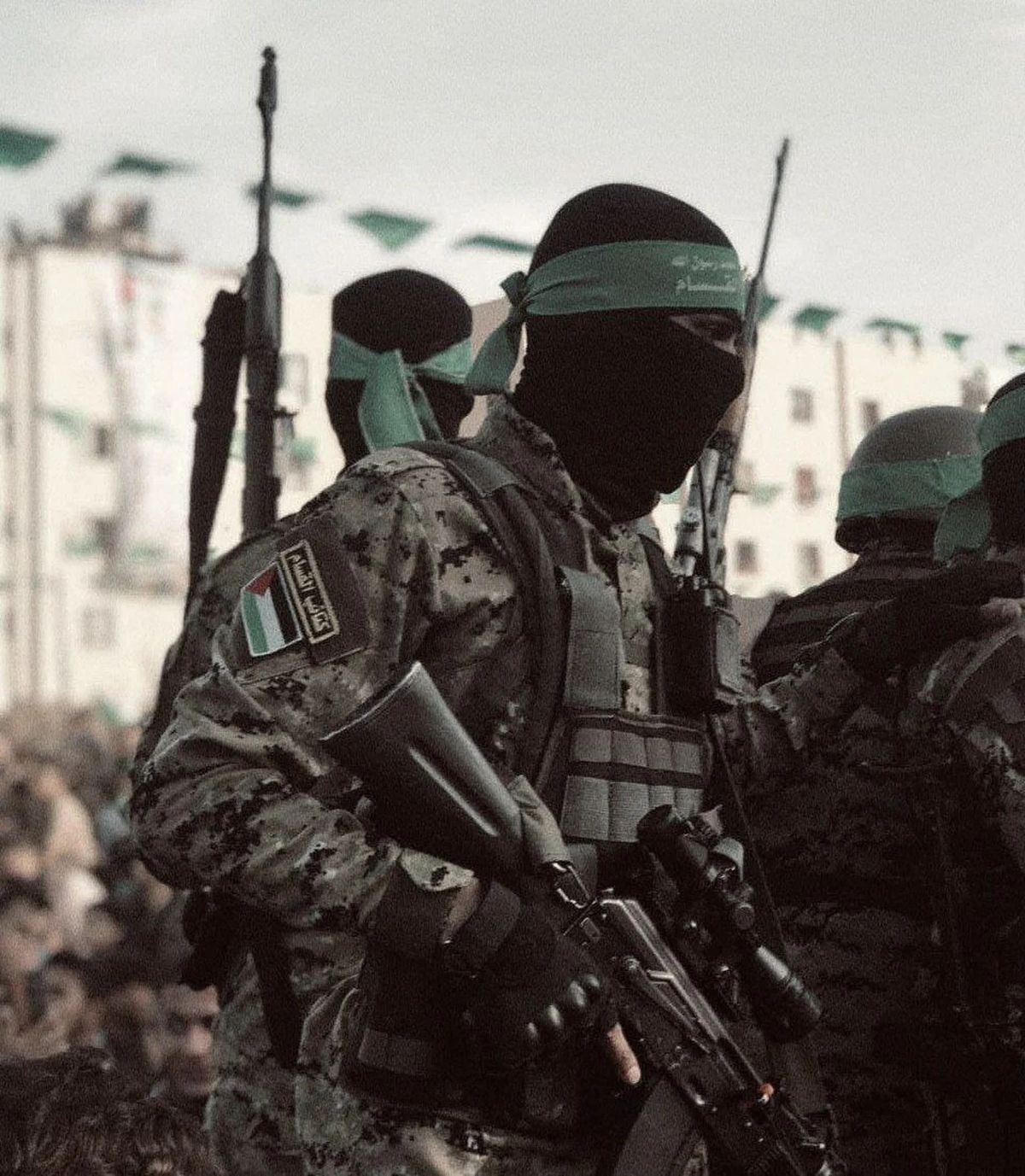
In addition, among the commanders in Gaza, there is concern that if the organization accepts the proposal, anarchy will ensue, as the new recruits enlisted during the war, after tens of thousands of terrorists were eliminated, may reject the agreements reached by the organization and refuse to lay down their arms.
According to the newspaper report, the organization's control over the new recruits is limited. Due to the difficulty in coordinating actions among the terrorists, command has been transferred to small units that often operate independently. As a result, the mediators warned that if Hamas accepts Trump's plan, there will be terrorists in the field who refuse to comply and defect to other terror organizations.
The Wall Street Journal noted that coordination among the various terror organizations in the Strip has largely disintegrated, making it hard to know if an agreement with Hamas will stop the fighting from other terror groups. Within Hamas, according to the report, some are calling Trump's proposal a "72-hour ceasefire," following the time window set by the president for releasing all hostages.
President Donald Trump published another post last night on his Truth Social network account, referring to the negotiations for hostage release and ending the war in Gaza. He attached a map to the post and wrote: "At the end of the contacts, Israel agreed to withdraw to the initial line, which we showed and shared with Hamas."
He added: "Once Hamas approves, the ceasefire will be immediately effective, the release of hostages will begin, and we will create the conditions for the next phase of withdrawal - this will bring us to the end of the 3,000-year catastrophe."
The map revealed by U.S. President Donald Trump on his Truth Social account resembles the initial withdrawal line outlined in the map already published as part of the president's 20-point plan last week, but it is more detailed. In the new map, Rafah clearly remains under Israeli control - and of course, the Philadelphi Corridor as well. In the north of the Strip, the map explicitly includes Beit Hanoun in the area that will remain under Israeli control.
Earlier, Prime Minister Netanyahu said in a recorded statement: "We are on the verge of a great achievement." Netanyahu added: "I hope I can announce to you the release of all our hostages in one phase." According to him, "I instructed the negotiation team to go to Egypt to close the technical details. The intention is to limit the negotiations to a few days."