In a major doctrinal shift following the devastating Hamas attacks on Oct. 7, 2023, the Israel Defense Forces has assigned the Israeli Air Force a groundbreaking core mission: protecting Israel's borders.
This unprecedented move aims to close critical gaps exposed during the assault, enhancing real-time coordination between air and ground forces to thwart future threats. IDF investigations into the Oct. 7 massacre, which claimed over 1,200 lives and saw hundreds taken hostage, revealed significant shortcomings in border security, including challenges in forming accurate situational awareness, synchronizing firepower with intelligence, and integrating aerial support with ground operations.
Chief of Staff Lt. Gen. Eyal Zamir has ordered the development of new operational frameworks to address these vulnerabilities, preparing for increasingly complex and surprise-based scenarios across multiple fronts.Air Force Commander Maj. Gen. Tomer Bar has formally expanded the IAF's mandate to include "border defense," marking a historic change after decades of focus on aerial superiority.
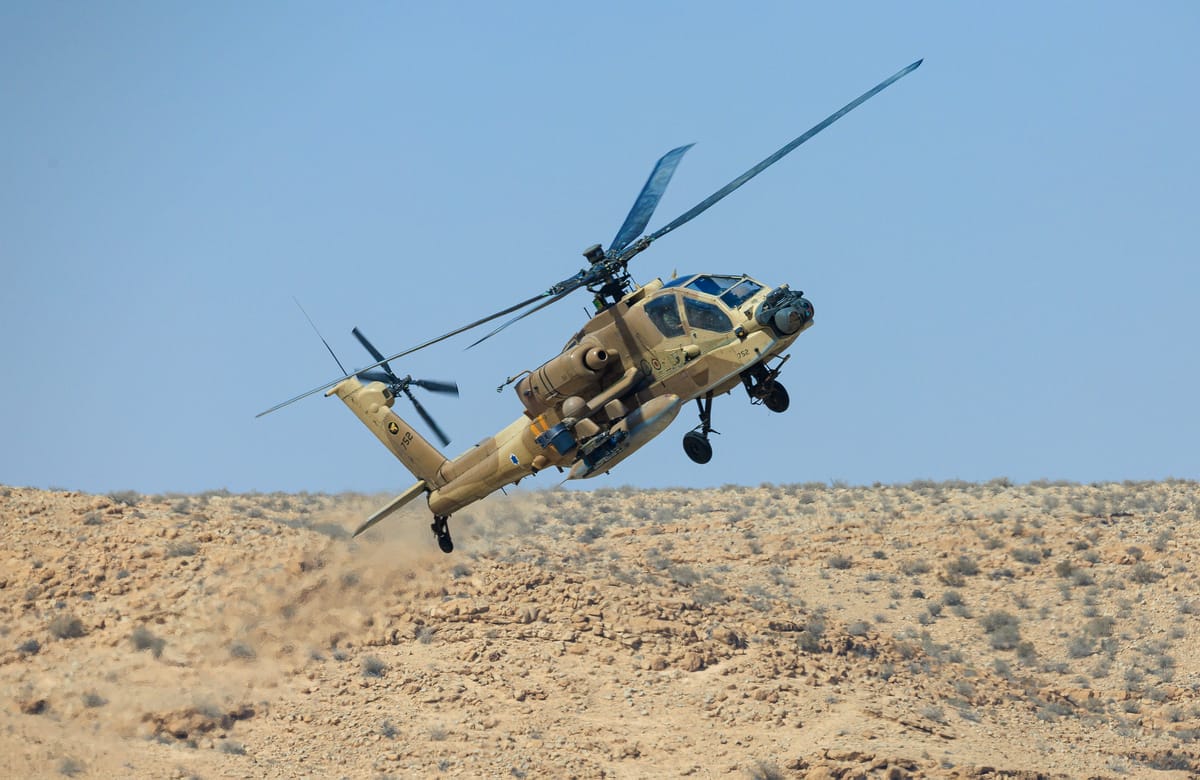
This includes renaming the Participation and Helicopters Squadron to the Participation and Border Protection Squadron, emphasizing aerial assistance to ground maneuvers and rapid responses to emerging incursions.The reforms were highlighted at a recent "Air Border Defense" conference, where IAF and ground force officers forged a unified operational language to tackle shared challenges.
Key enhancements include:
Skyrocketing Readiness Levels: Overall IAF preparedness has surged by more than 250% since Oct. 7, with combat armaments up 275%, UAV operations doubled, munitions readiness over 200%, and intervention helicopters boosted by over 400%. A UAV squadron is relocating northward to strengthen defenses along the Lebanese border.
New Fire Coordination Centers: A dedicated center in Central Command will streamline air-ground integration during terrorist raids or infiltrations, aggregating real-time intelligence for swift, informed decisions from tactical to operational levels.
Technological Upgrades: Pilots' helmets will now feature integrated telephones, and contact details for all community security coordinators nationwide will be distributed to squadrons for precise coordination. A new IAF cell will provide immediate aerial cover to ground troops in dynamic situations.
Drone Force Expansion: Over 8,000 operators have been trained on drones in the past year (12,000 since the war's start), with acquisitions of 6,000 for intelligence, 2,000 for strikes, and 1,500 for payload delivery, focusing on locating terrorists, protecting forces, and multi-site operations.
These changes directly address the chaos of Oct. 7, when Hamas breached barriers, overran communities, and overwhelmed initial responses. Recent large-scale drills tested over 40 extreme scenarios, with the IAF striking 97 targets in the first hour alone, demonstrating the new capabilities.
IDF officials stressed that the overhaul reflects Israel's resolve to prevent another such tragedy, bolstering defenses against Hamas, Hezbollah, and other Iranian proxies.