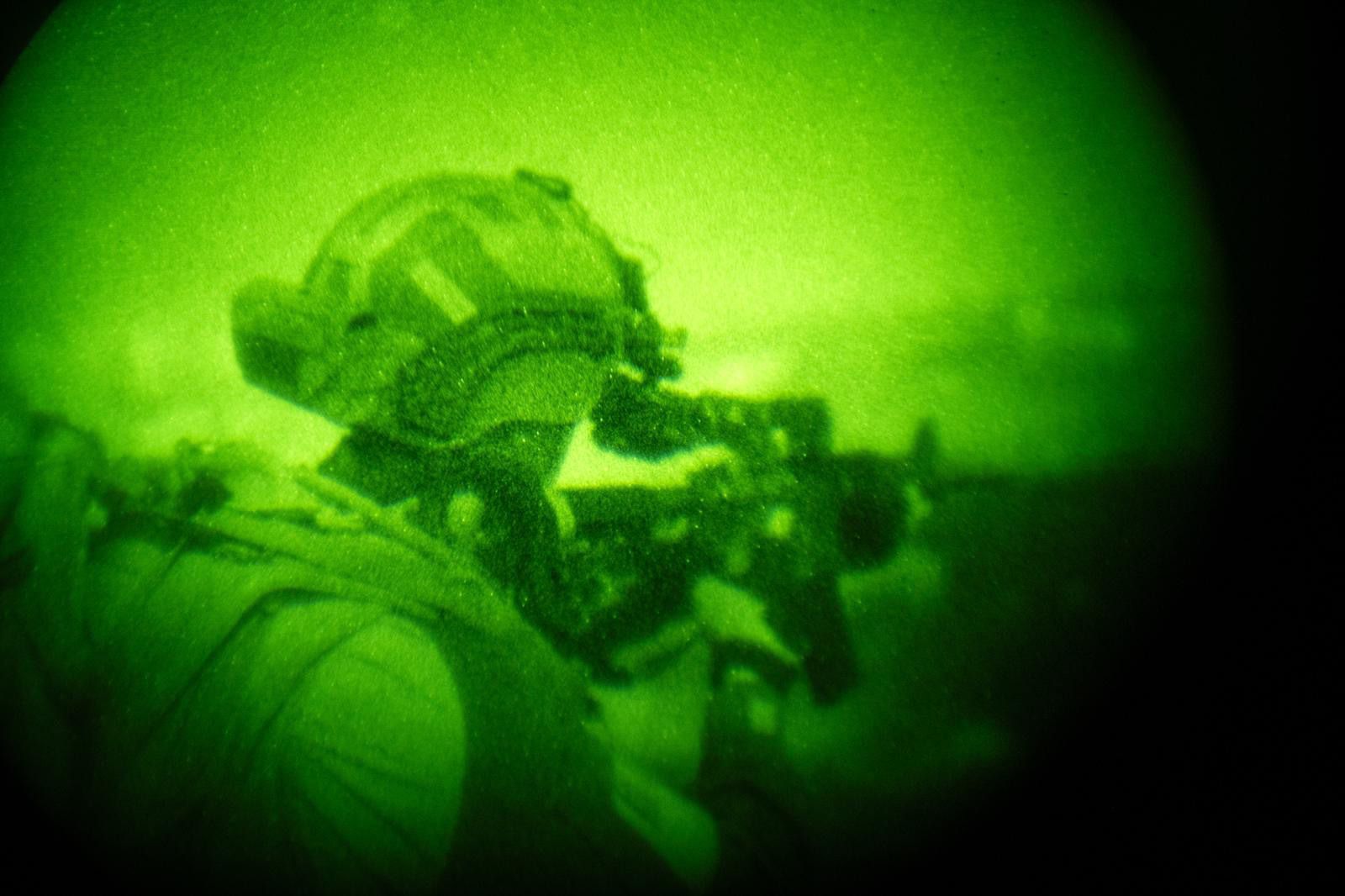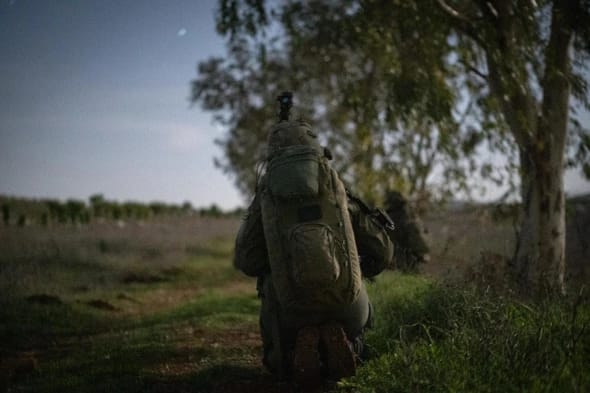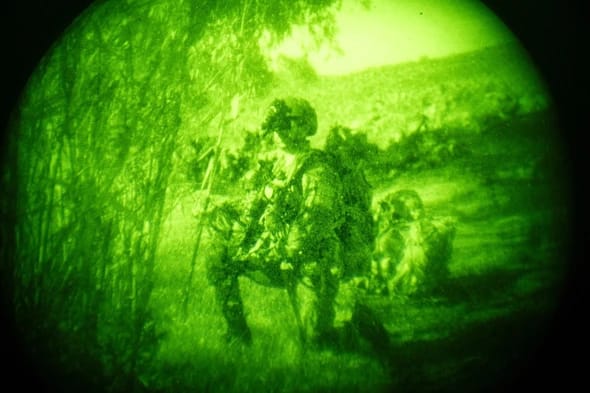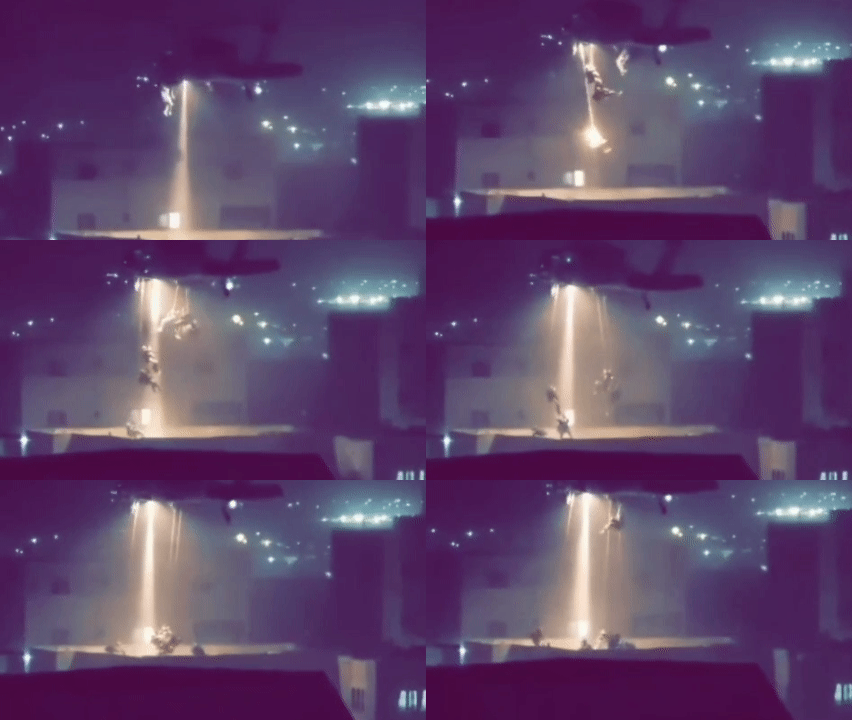
In a significant military operation conducted overnight, the Israel Defense Forces (IDF) moved against the attempted rehabilitation of terrorist activity in southern Lebanon. Forces from the 769th Brigade entered several villages to dismantle infrastructure belonging to Hezbollah terrorists, focusing on centers used to launch attacks against northern Israel throughout the current war. The operation, which took place in the early hours of Sunday, February 1, 2026, was specifically designed to prevent the terror group from re-establishing its foothold in the border region. By neutralizing hidden weapons caches and destroying specialized construction equipment, the IDF aimed to send a clear message that it will not tolerate the quiet rebuilding of a threat that was supposed to be neutralized under existing international understandings.
Demolishing the Anti-Tank Threat
The center of the nighttime activity involved the discovery and total destruction of multiple weapons depots, including a major warehouse specifically designated for the storage of anti-tank missiles. These weapons have been the primary tool used by Hezbollah terrorists to harass Israeli border communities and military outposts. Along with the missile cache, troops identified and demolished a building that had been used by terrorists during the war to fire directly into Israeli territory. The military emphasized that the discovery of such high-level weaponry so close to the border is a blatant violation of the ceasefire understandings between Israel and Lebanon, which were intended to keep the area free of armed terror groups.
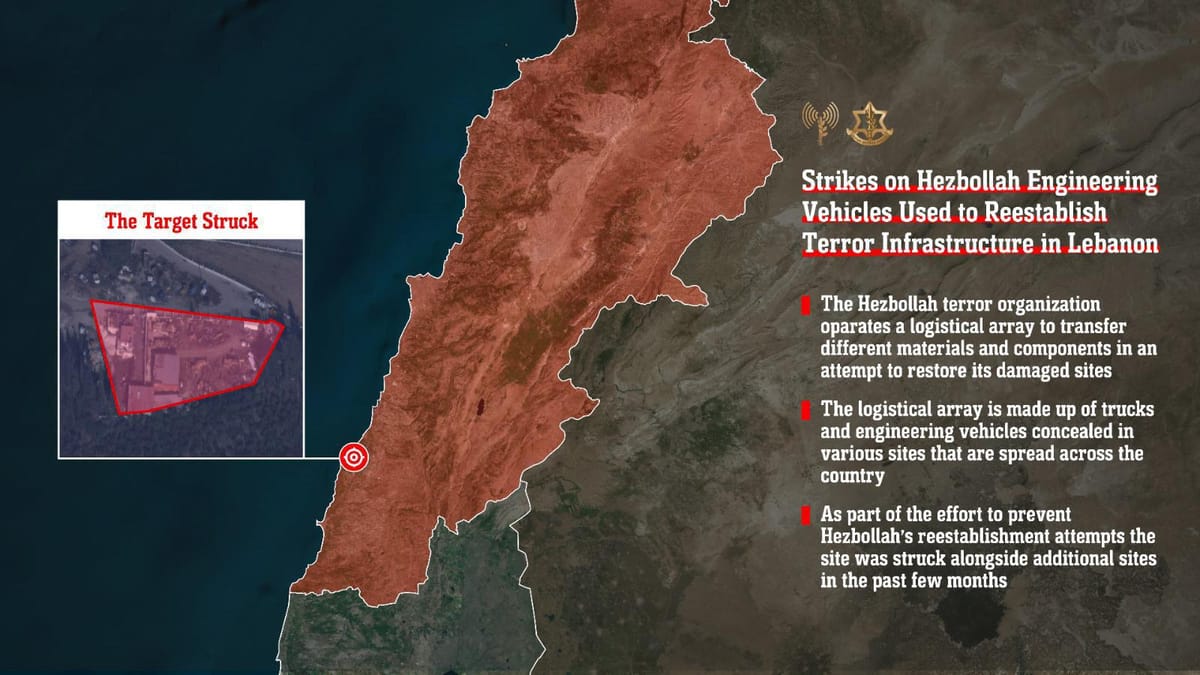
In addition to the raids on buildings, the IDF also conducted targeted strikes in the Mazraat al-Daoudiya area. These strikes focused on engineering vehicles and heavy machinery that Hezbollah had moved into the region in an attempt to repair and re-fortify their damaged terror tunnels and bunkers. By eliminating these vehicles, the IDF is actively preventing the physical "re-establishment of terror infrastructure" that would allow the group to resume hostilities in the future. The military stated that "the existence of the weapons and terrorist infrastructure in the area constitutes a violation of the understandings," and that they will continue to act to remove any threat to the State of Israel.
Maintaining the Pressure
The operation did not stop at infrastructure, as the IDF also confirmed that it struck and neutralized a Hezbollah terrorist in the area of Ad-Doueir in southern Lebanon. This indicates a policy of active engagement against any personnel attempting to facilitate the group’s return to the border zone. Over the past few months, the 769th Brigade has been tasked with a high-stakes monitoring mission, ensuring that the quiet on the northern border is not used as a cover for a terrorist resurgence.
Israeli officials have made it clear that while they are adhering to the broad terms of the cessation of hostilities, they will not allow a return to the pre-October 7 status quo. The use of nighttime raids and surgical strikes against engineering tools is a new phase of the war, intended to keep the Lebanese border demilitarized in practice, not just on paper. As the military completes its assessment of the destroyed warehouses, the focus remains on identifying other villages where Hezbollah may be hiding similar missile stockpiles. The IDF has vowed to continue these operations as long as necessary to ensure that the residents of northern Israel can return to their homes without the threat of cross-border anti-tank fire.