Israeli and Arab officials are expressing significant doubt over whether limited U.S. military action can achieve the Trump administration’s reported goal of toppling the Iranian regime. A senior Israeli official, speaking to Reuters on Thursday, warned that air power alone is insufficient for such a monumental shift.
"If the goal is to topple the regime, you have to put boots on the ground," the official stated, emphasizing that surgical strikes, while damaging, historically fail to collapse established ideological governments.
The official further noted that even the decapitation of the leadership would not guarantee success. "Even if the United States killed Supreme Leader Ali Khamenei, Iran would have a new leader to replace him," he explained. According to the Israeli assessment, a true change in trajectory requires a "perfect storm" of crushing external pressure combined with a highly organized internal opposition.
This skepticism comes as reports surface that the Trump administration is actively reviewing a range of military options designed to create the conditions for "regime change."
Sources indicate the plan involves:
- Targeting Command Centers: Striking the headquarters of security forces responsible for the recent violent crackdowns on protesters.
- Encouraging the Street: Using precision strikes to give Iranian demonstrators the "confidence" that they can overrun government buildings.
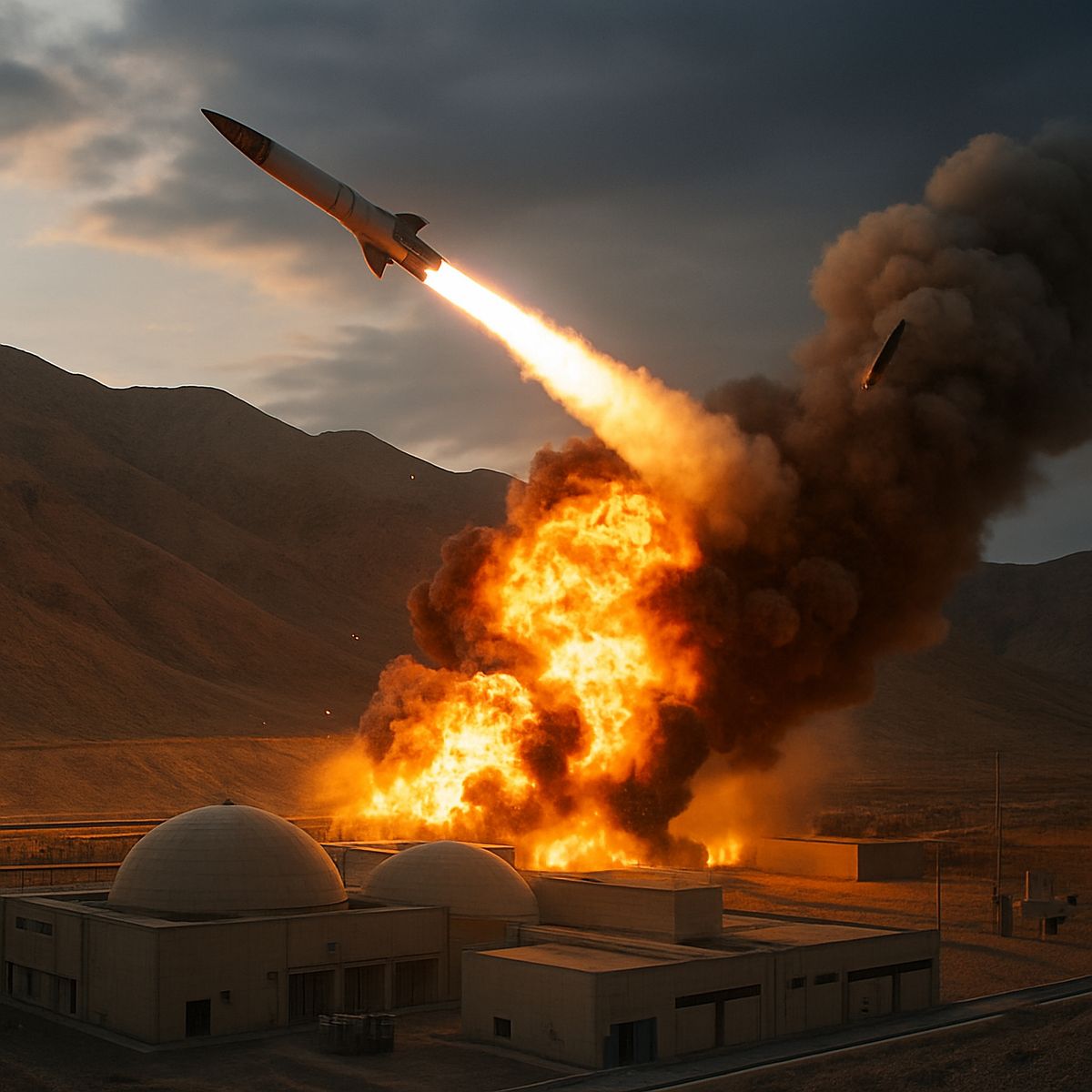
- Nuclear Deterrence: Maintaining the threat of a massive strike against nuclear and ballistic sites if Tehran does not capitulate to a new, more restrictive deal.
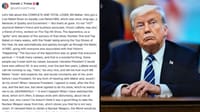
President Trump reinforced this posture on Truth Social, warning: "The next strike will be more severe. Don't do it again. Time is running out, make a deal."
The pressure is not only military. Today, European Union foreign ministers meeting in Brussels are expected to reach a landmark agreement to designate the Islamic Revolutionary Guard Corps (IRGC) as a terrorist organization. This move, long resisted by some European capitals, follows a surge in IRGC-linked violence and the brutal suppression of domestic Iranian protests.
Simultaneously, Argentine President Javier Milei officially declared the IRGC a terrorist entity during a Holocaust Remembrance event in Buenos Aires, aligning Argentina with the U.S. and Israeli stance.
Tehran remains publicly unbowed. Foreign Minister Abbas Araghchi signaled that while Iran is open to dialogue, it will not surrender its right to uranium enrichment or its ballistic missile arsenal.
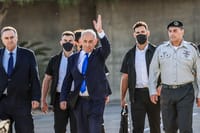
As the U.S. builds an "air bridge" of supplies to the region and the USS Abraham Lincoln strike group approaches, Prime Minister Benjamin Netanyahu is scheduled to hold a high-level security meeting tomorrow to coordinate Israel's role in what appears to be a rapidly approaching confrontation.