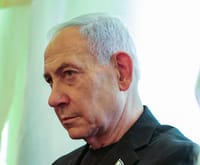
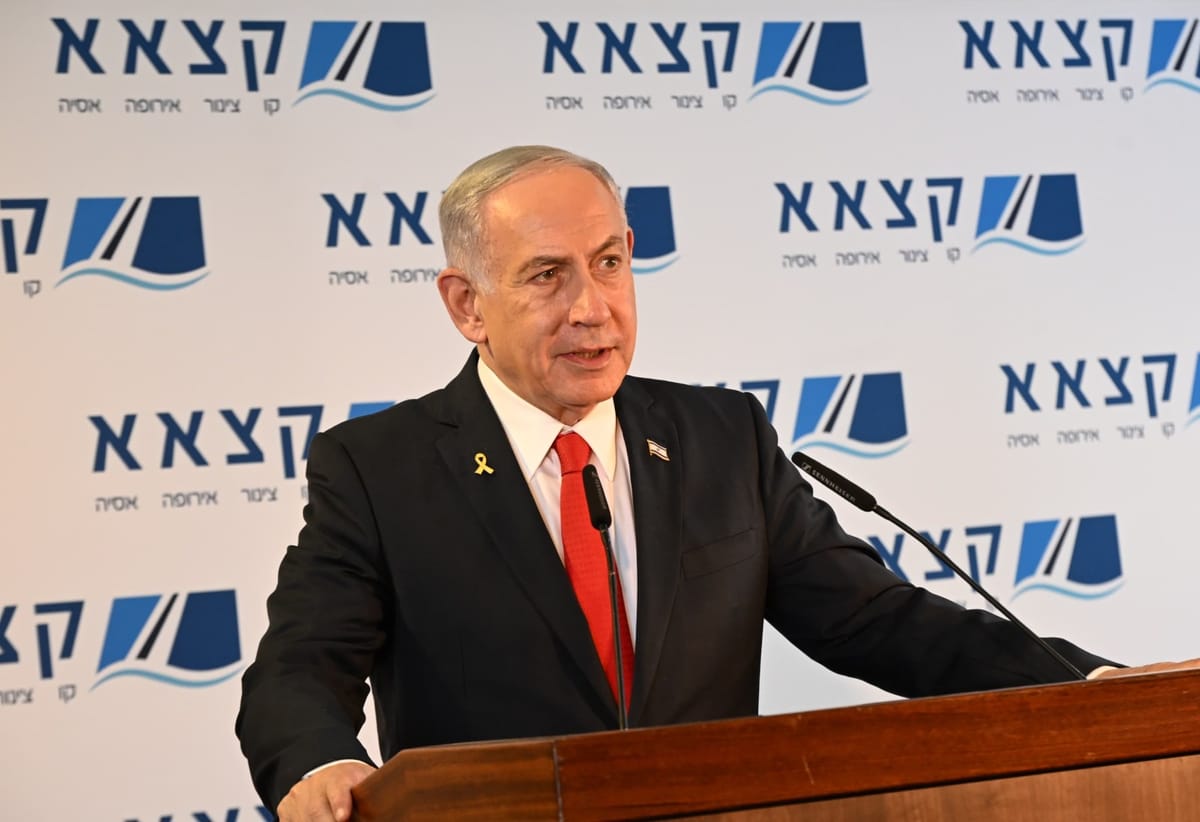
Likud would likely fall below 20 Knesset seats without Prime Minister Benjamin Netanyahu at its head, according to a Maariv readers’ poll published Wednesday, amid reports that Netanyahu could consider forming a new political framework.
Asked what would happen to Likud if Netanyahu were no longer leading the party, 70% of respondents said it would receive fewer than 20 seats. Some 36.4% said Likud would win between 10 and 20 seats, while 33.9% said it would fall below 10.
A smaller share of respondents said Likud would remain a major political force without Netanyahu. Some 15.6% said the party could still win 30 seats or more, while 14.1% said it would receive between 20 and 30 seats.
The results showed a sharp divide between coalition and opposition voters. Among opposition voters, 42.4% said Likud would win 10-20 seats without Netanyahu, while 37.7% said it would fall below 10. Only 8.3% said it could still reach 30 or more seats.
Coalition voters were more divided. Some 28.5% said Likud would fall below 10 seats without Netanyahu, 28.2% said it would win 10-20 seats, 17.5% said it would receive 20-30 seats, and 25.9% said it could still win at least 30 seats.
The poll also examined a reverse scenario, in which Netanyahu runs without Likud. In that case, 33.4% said a Netanyahu-led party would win 10-20 seats, while 28.4% said it would receive fewer than 10. Another 20.4% said such a party could reach 30 seats or more, and 17.7% said it would win 20-30 seats.
Among coalition voters, 38.5% said a Netanyahu-led party would win at least 30 seats. Among opposition voters, only 7.5% said the same.
The poll also found broad opposition to granting Netanyahu 10 reserved slots on the Likud list, an issue that could become a major internal fight. Overall, 50.5% opposed approving any reserved slots, while 32.3% supported 10 slots and 17.2% supported five.
Among coalition voters, however, 52.3% supported granting Netanyahu 10 reserved slots. Among opposition voters, 66.4% opposed any reserved slots.
Strategic adviser Yossi Tatika said he expected internal resistance if Netanyahu sought 10 reserved places, arguing that longtime Likud activists would oppose such a large number. He said a compromise was more likely, noting that Likud has previously granted reserved slots to its leader before elections.
Tatika said Likud’s activist base remains central to its electoral strength, and that enthusiasm among party members could be decisive on election day. He added that if Netanyahu were to form a new party, it would be “very bad news for Likud.”