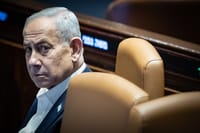
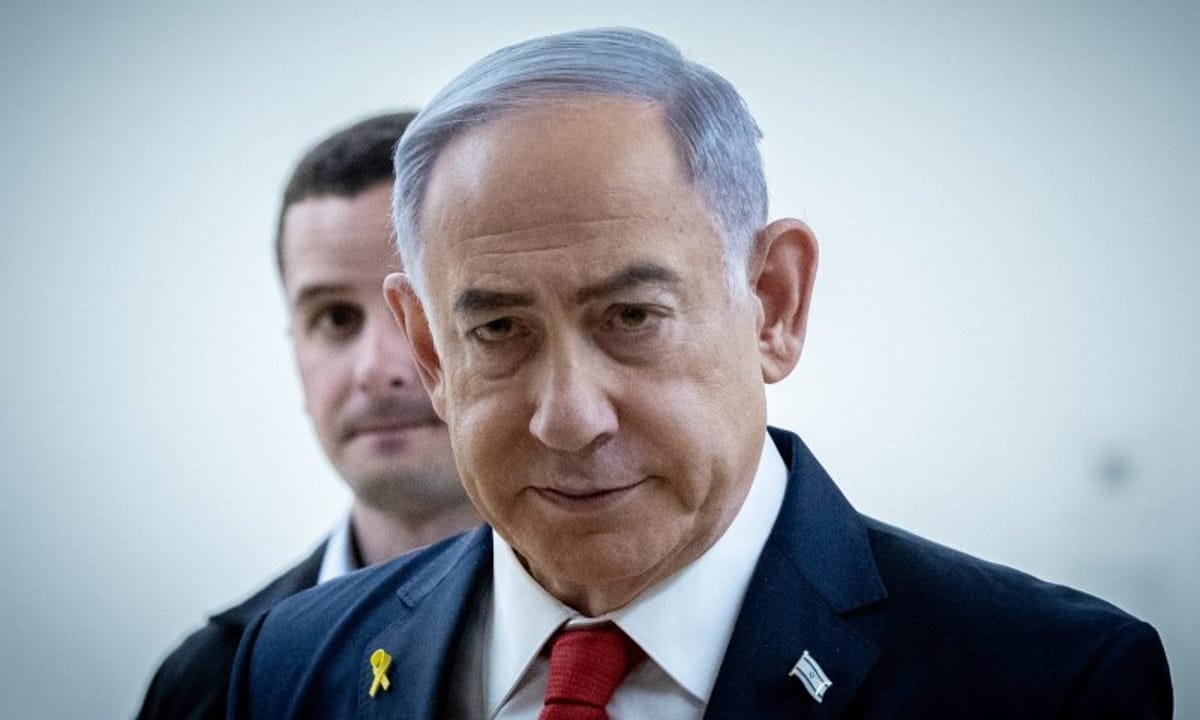
Prime Minister Benjamin Netanyahu is facing growing tensions inside Likud over reports that he is seeking a major expansion of his power to shape the party’s Knesset list ahead of the next election.
According to multiple Hebrew media reports, Netanyahu is expected to demand up to 10 reserved slots on the Likud list. The move would allow him to place candidates of his choosing in realistic positions, potentially pushing sitting ministers and MKs lower on the list or out of the next Knesset altogether.
A senior Likud official quoted in the reports described the situation as “a totally crazy event” and warned that the party was heading for “a political massacre” on the list. The official said that if all ministers and MKs are forced to run on the national list, around half could lose realistic spots, with Netanyahu’s reserved candidates then placed above some of those who survive the primary.
The reports also said Netanyahu’s allies have hinted that if he does not receive the reserved slots, he could consider a dramatic political move, including running outside Likud. Likud denied the claims, calling the reports “complete fake news” and saying Netanyahu would lead Likud in the next election.
“Unlike others, Prime Minister Netanyahu does not jump between parties and ideologies,” the party said. “Likud has always been, and will always be, home, and home is not abandoned.”
Other reports suggested that while Netanyahu may ask for 10 reserved spots, senior Likud figures believe he may ultimately receive eight. One reported proposal would give him two slots in each of the first three groups of 10 on the list, along with two additional slots in the fourth group, including places 31 and 35.
The debate comes as Likud prepares for possible primaries, reportedly expected in August. Netanyahu is said to be concerned that the current list may not generate enough enthusiasm among Likud voters, especially in party strongholds, and wants to bring in new figures identified with the national camp.
Names reportedly under consideration include public figures who became prominent after the October 7 attacks, including relatives of victims and hostages, as well as activists and commentators.
Inside Likud, some officials fear a full primary could deepen internal anger, lead to the ouster of sitting MKs, and create new power struggles before a difficult election. Others argue that changing the primary rules or avoiding a full contest would spark its own backlash among longtime activists who expect influence over the party list.
The dispute could become one of the first major internal tests of Netanyahu’s control over Likud ahead of the next election.