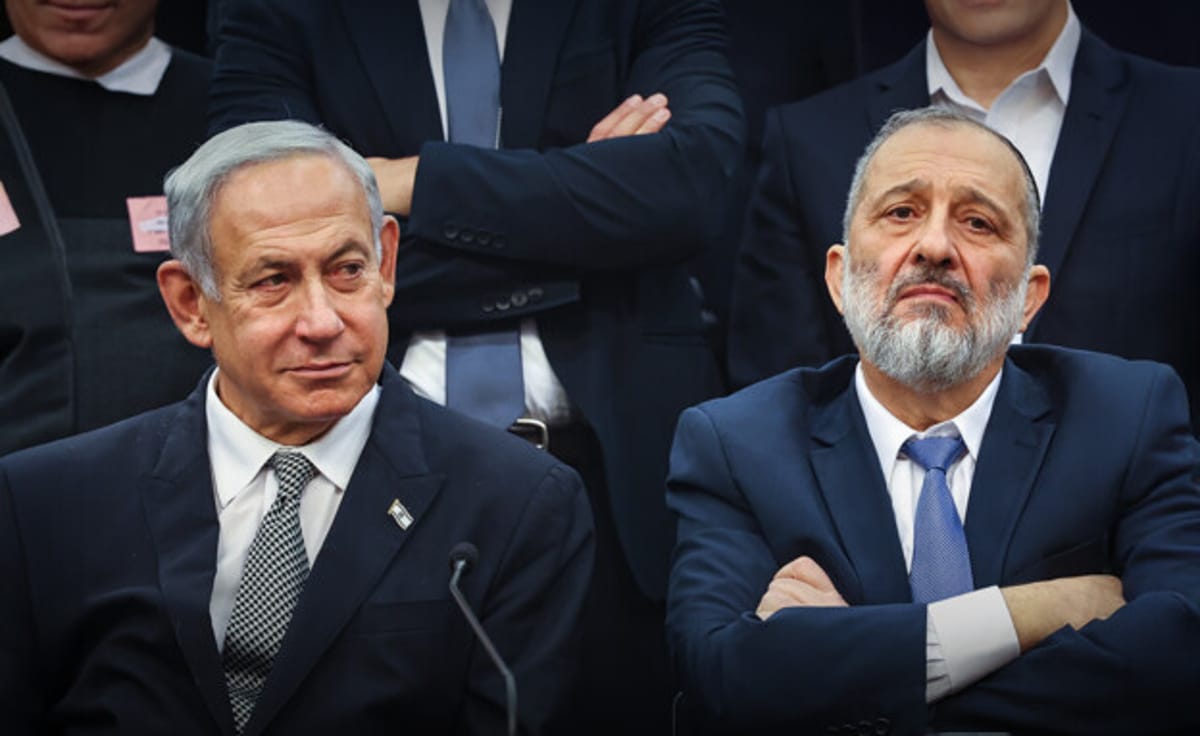
In a high-stakes effort to prevent his government from collapsing, Prime Minister Benjamin Netanyahu is presenting a new "temptation" to his ultra-Orthodox partners. Behind the scenes, Netanyahu has proposed re-introducing a draft exemption law that was originally passed during the previous "Government of Change". By passing this law in its first reading now, the coalition could apply "continuity" in the next Knesset, effectively kicking the controversial issue down the road.
The move is designed to buy the Prime Minister time and delay the inevitable national elections. Netanyahu is currently pushing for a vote in October, arguing to his partners that he needs more time to secure a significant diplomatic or military achievement before facing the public. However, this timeline has sparked a clash with Haredi leaders and Shas chairman Aryeh Deri, who are reportedly pushing for a September election date.
The disagreement over the date is largely tactical. Ultra-Orthodox parties prefer a September election because it coincides with the "Slichot" period, a time of high religious mobilization. They believe this atmosphere will make it easier to drive their supporters from the synagogues directly to the polling stations. Netanyahu, however, is banking on the idea that if he can stall the dissolution of the Knesset long enough, the calendar will naturally push the date to October regardless of the Haredi preference.
To maintain control over the process, the coalition is planning to submit its own bill to dissolve the Knesset. While the opposition has already submitted similar bills, the coalition wants to ensure that it holds the reins. By passing their own version in a preliminary reading, the government can control the pace of the legislation and ensure the elections happen on their terms.
This political maneuvering comes at a critical time for the "Right-wing Bloc," which is currently fractured over the issue of military service for the ultra-Orthodox. The Prime Minister’s proposal is seen as a "lifeline" to keep the various factions together and avoid a total splintering of the coalition. Despite the public threats and heated rhetoric, all members of the government still share a common interest in coordinating a graceful exit toward an agreed-upon election date.
As the negotiations continue, the Israeli political system remains in a state of suspense. The success of Netanyahu's plan depends on whether the Haredi parties believe his promise of a future draft exemption is worth the risk of waiting an extra month for elections. For now, the Prime Minister is searching for any possible opening to transform a period of internal crisis into a window for a potential political comeback.