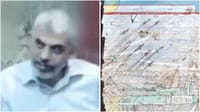
Security personnel at Ketziot prison have conducted a raid after discovering inflammatory graffiti in several cells within the high-security wings. The graffiti included messages such as "We will not forget, we will not forgive, we will not kneel," "Jerusalem is Arab," "Jerusalem's patience is running out," and "This is the time of the dogs (the Jews)."
Israel prison guards school Palestinians
WATCH: Prison officials crack down on extremist graffiti at Ketziot detention facility
For Israel, Ketziot Prison is a linchpin in a volatile region. Prison officials have a zero tolerance attitude towards these kind of violations.
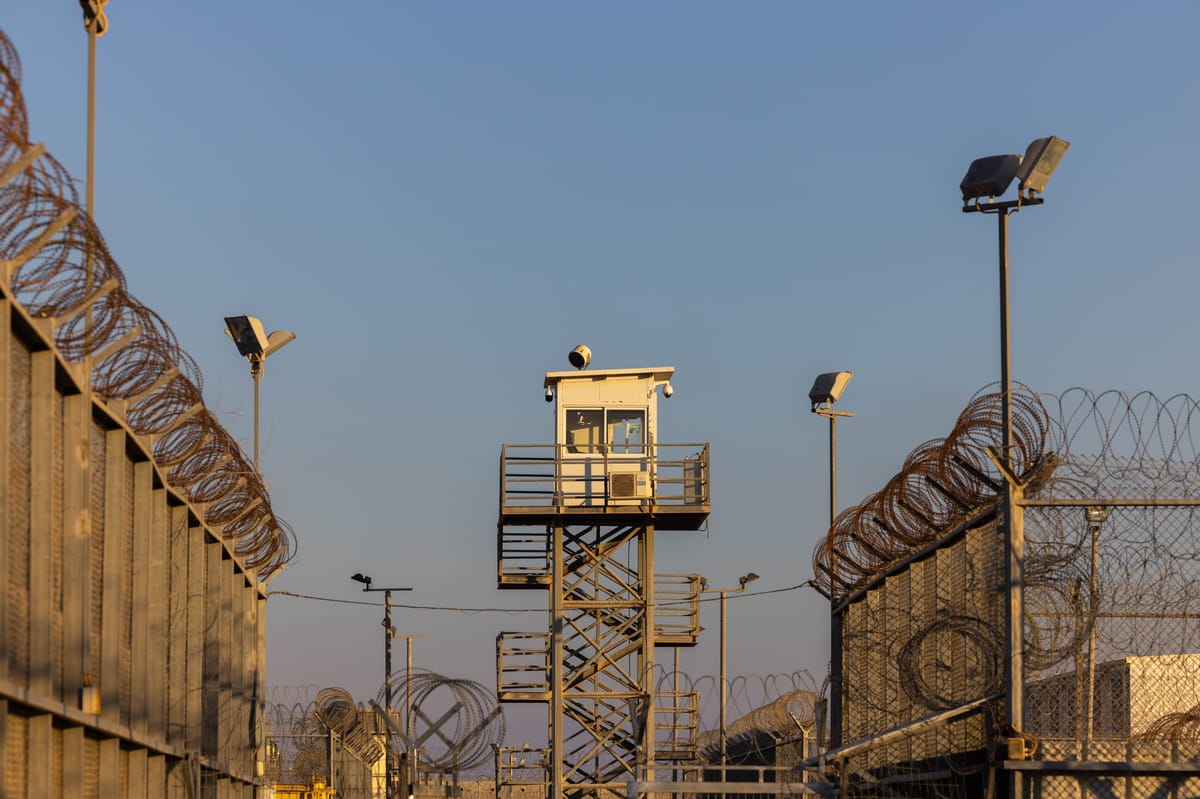

Following orders from prison commander Lt. Col. Menachem Bibas, the First Response Force and detention officers entered the cells, secured the area according to standard operational procedures, and implemented strict disciplinary measures, as documented in released footage. The inmates responsible for the graffiti were subsequently tried under prison regulations and placed in solitary confinement.
Ketziot Prison:
Ketziot Prison is the country’s largest detention facility by land area, sprawling over 400,000 square meters.
The prison’s population is overwhelmingly Palestinian, with a focus on those classified as "security prisoners" by the Israel Prison Service (IPS). These include:
- Convicted Terrorists: Many inmates are serving sentences for violent acts tied to Palestinian militant groups like Hamas, Palestinian Islamic Jihad (PIJ), or Fatah. For instance, Islam Alushachaya, a Hamas operative, stabbed two guards at Ketziot in March 2019 while serving a 19-year sentence for escorting a suicide bomber in Hadera.
- Administrative Detainees: A significant chunk are held without formal charges under Israel’s controversial “administrative detention” policy.
- Gaza Detainees: Since the October 7, 2023, Hamas attack, Ketziot has absorbed Palestinians rounded up during Israel’s Gaza offensive. Some, like 140 transferred from the Sde Teiman military facility in late 2024, were initially held as “unlawful combatants” under emergency laws—another no-charge detention category.
- Women and Minors: Though less common, Ketziot has housed women and minors. Of the 90 Palestinians released on January 20, 2025, 69 were women, some from Ketziot, mostly held without charges.
Why Are They There?
Ketziot’s inmates are there because Israel views them as security risks, a designation shaped by decades of conflict:
- Post-October 7 Surge: The Hamas-led attack killed 1,200 Israelis and took 251 hostages, prompting Israel to double its Palestinian prisoner count from 5,200 to over 10,000 by mid-2024. Ketziot, with its vast capacity, became a key hub for this influx, especially for Gaza detainees swept up in the war.
- Counterterrorism: These prisoners are linked to attacks or planning against its citizens. The IPS and IDF argue Ketziot’s harsh conditions deter militancy, a stance National Security Minister Itamar Ben-Gvir has proudly tightened since 2023, slashing privileges like canteen access and shower time.
צילום: Video: Israel Prison services