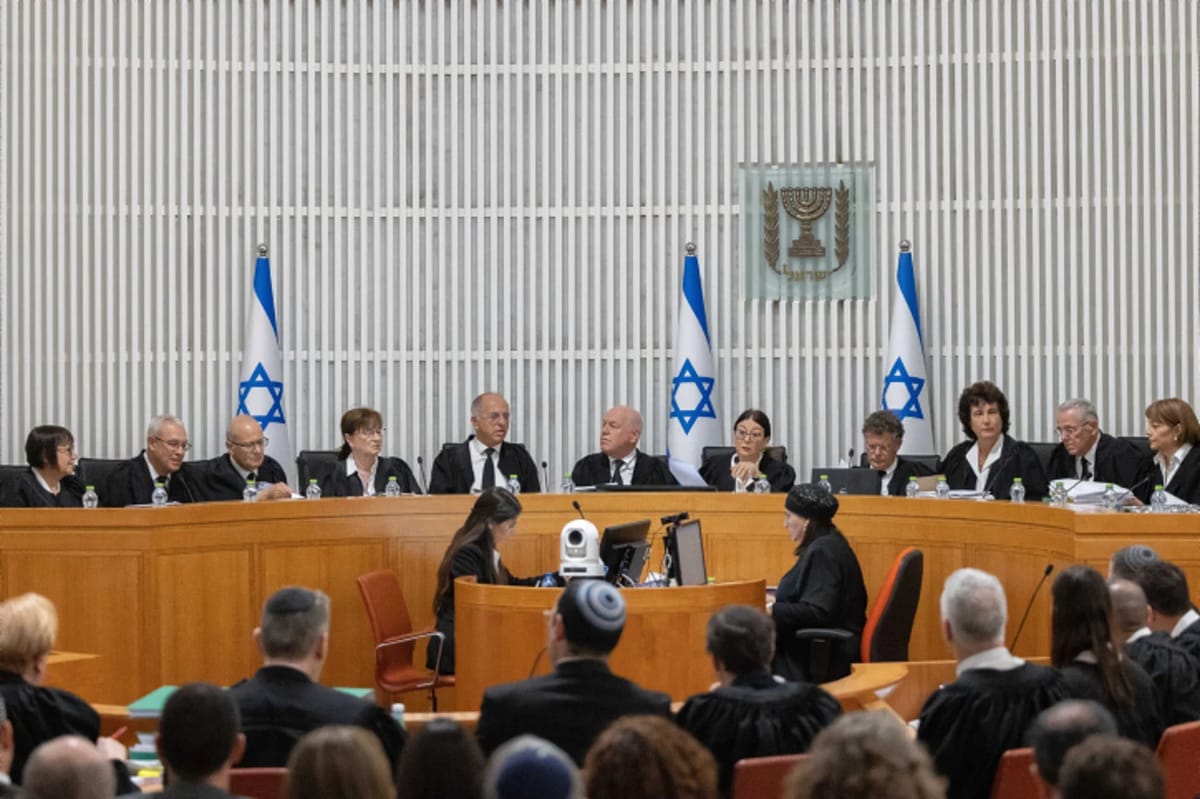
Israel’s High Court of Justice ruled that anti-war demonstrations must be permitted under defined limits, ordering the state to allow protests at multiple locations despite wartime restrictions.
In its interim decision, issued during Shabbat, the court set minimum participation thresholds rather than strict caps. It allowed up to 600 participants at Tel Aviv’s Habima Square and at least 150 participants at three additional protest sites.
The ruling came after the state failed to submit a response by a court-imposed deadline. The justices determined that a decision could not be delayed, citing the need to provide clear guidance to authorities ahead of planned demonstrations.
The court also criticized what it described as selective enforcement of Home Front Command restrictions. It noted that while gatherings of various kinds were taking place in violation of guidelines, enforcement appeared to be directed primarily at protest activity, a situation it said was difficult to justify.
According to the judiciary, the decision was made following telephone consultations between the judges, without requiring court staff to work during Shabbat, and was based on considerations related to public safety.
The ruling permitted protests to proceed under specified limits, though in practice attendance at Habima Square reportedly exceeded the authorized threshold.