Middle East on the Moon

Jordan Joins International Moon Mission Treaty

The Hashemite Kingdom signed the accords at a ceremony at NASA headquarters in Washington, joining an international group of countries committed to shared principles for civil exploration of the Moon, Mars, comets and asteroids.

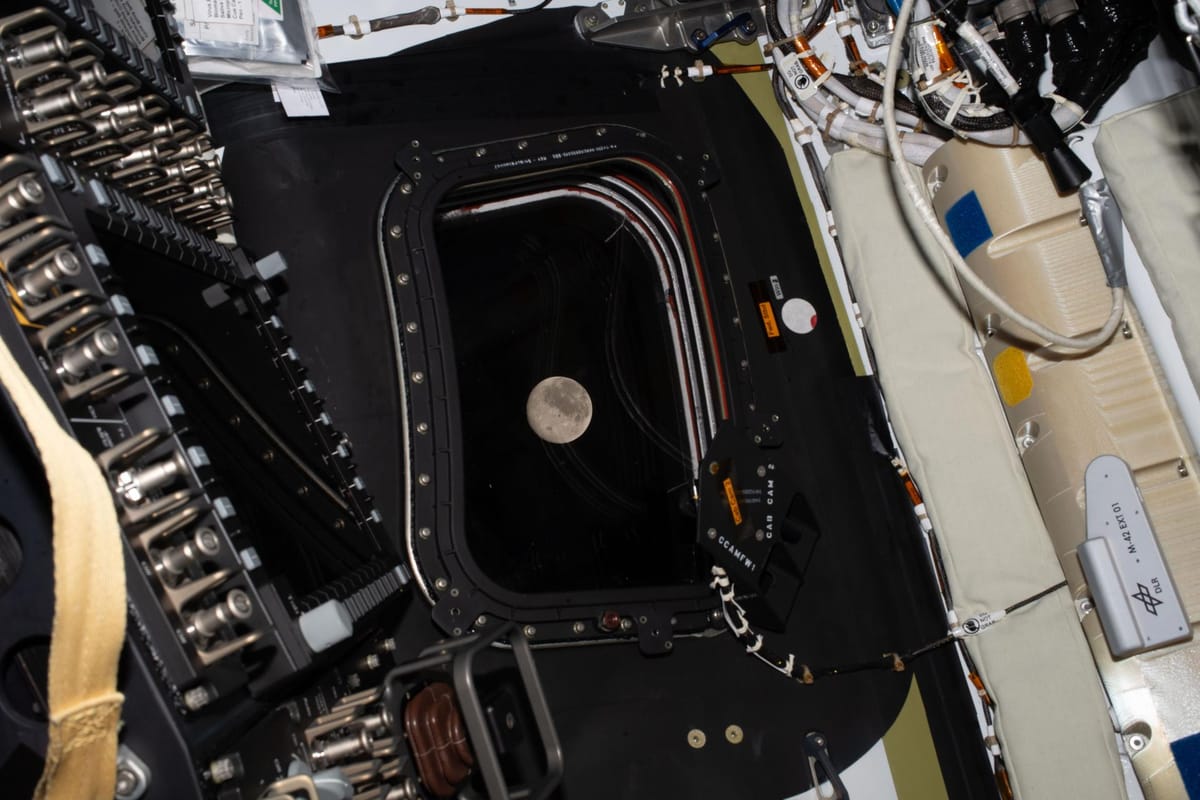
The moon viewed through the window of Artemis II.
The moon viewed through the window of Artemis II. (NASA)

Jordan has joined the Artemis Accords, becoming the 63rd country to sign the US-led framework for peaceful and transparent space exploration, NASA announced Thursday.

The Hashemite Kingdom signed the accords at a ceremony at NASA headquarters in Washington, joining an international group of countries committed to shared principles for civil exploration of the Moon, Mars, comets and asteroids.

The Artemis Accords were launched in October 2020 by the United States and seven founding partners: Australia, Canada, Italy, Japan, Luxembourg, the United Arab Emirates and the United Kingdom. Since then, dozens of countries have joined, including Israel, India and now Jordan.

Jordan is the fourth country to join the accords in 2026, after Portugal, Oman and Latvia. Because apparently even space diplomacy has a waiting list now, though at least this one involves fewer committees and more rockets.

The accords are led by NASA and the US State Department and are rooted in the 1967 Outer Space Treaty. They are non-binding, but set out a common political understanding for countries involved in space exploration, including commitments to peaceful activity, transparency, emergency assistance, sharing scientific data, registering space objects, reducing orbital debris and avoiding harmful interference with other missions.


NASA Administrator Jared Isaacman welcomed Jordan’s accession, saying the country brings “valuable perspective and capabilities” as the Artemis program moves toward a return to the lunar surface.

“Through Artemis, we’re going back to the lunar surface, with contributions from our international partners, to build a Moon Base and to stay,” Isaacman said.

Jordanian Ambassador Dina Kawar signed the accords on behalf of the kingdom. She pointed to Jordan’s strong base of engineers and said Crown Prince Al Hussein is working through the National Council for Future Technologies to turn that talent into a wider technology push, including artificial intelligence, digital infrastructure, advanced manufacturing and space.

“Today’s signing is proof that this ambition has no ceiling,” Kawar said.

Jordan launched its first satellite, the JY1 CubeSat, in 2018. The small satellite was developed by university students and launched aboard a SpaceX Falcon 9 from Vandenberg Space Force Base in California.

Jordan has also expanded its space-related research through a privately operated analog facility in Wadi Rum, where the Jordan Space Research Initiative conducted the PETRA1 and PETRA2 missions in 2024 and 2025.

NASA said more countries are expected to join the Artemis Accords as international activity around the Moon, Mars and beyond continues to grow.

Ready for more?

Join our newsletter to receive updates on new articles and exclusive content.

We respect your privacy and will never share your information.