
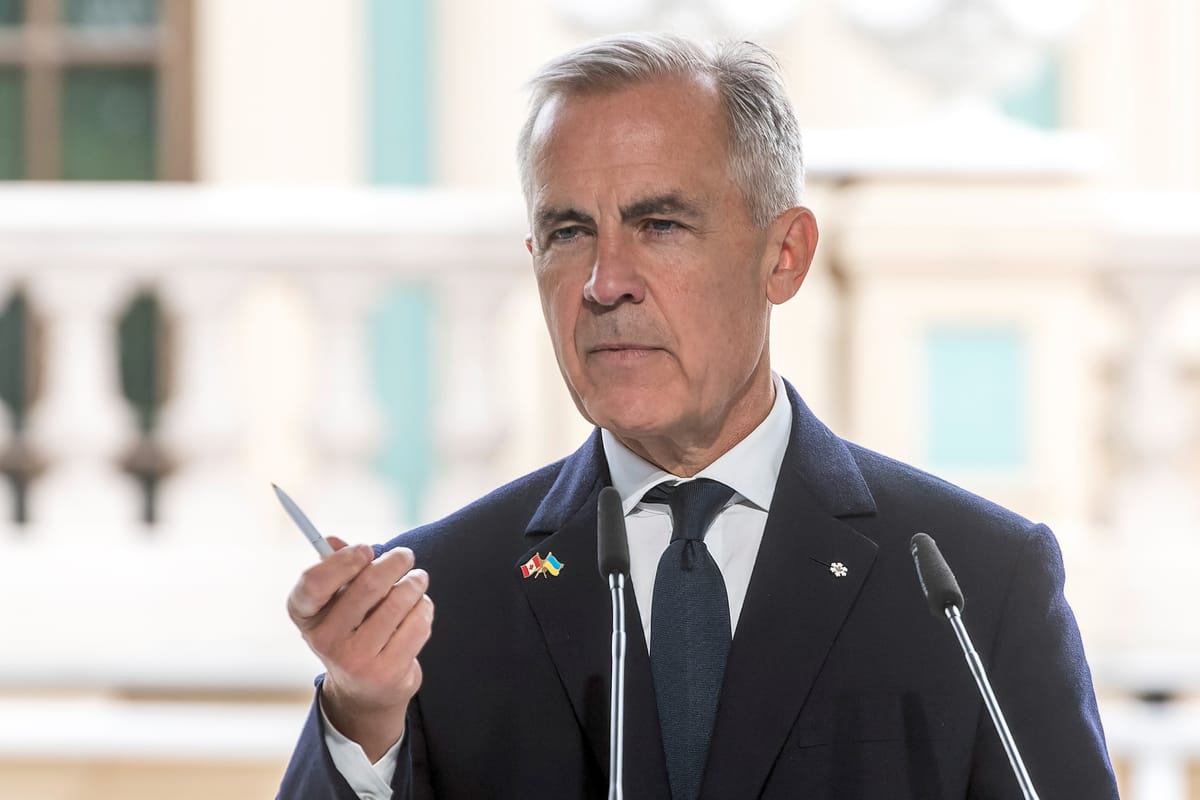
Canadian Prime Minister Mark Carney’s Liberal Party has secured a slim majority in the House of Commons following a series of by-election victories and recent defections from opposition parties.
Canadian media projected Liberal wins in all three ridings contested on Monday, including two in the Toronto area and one in Quebec, bringing the party’s total to 174 seats in the 343-member parliament. The result gives Carney’s government a working majority, allowing it to pass legislation without relying on opposition support.
The gains come roughly a year after Carney took office and follow five opposition lawmakers crossing the floor to join the Liberals in recent months. The combination of by-election victories and defections marks an unusual path to a majority in Canadian politics, where such outcomes are typically determined in general elections.
The Liberal candidates were projected to win in Scarborough Southwest and University-Rosedale in Toronto, as well as Terrebonne in Quebec. The Quebec race drew particular attention after the previous result was annulled by the Supreme Court over a ballot-counting error.
Carney congratulated the winning candidates in a post on social media following the projections.
The new majority strengthens Carney’s political position and could allow his government to remain in power until the next scheduled federal election in 2029.
The result represents a turnaround for the Liberals, who were widely expected to lose power before former prime minister Justin Trudeau stepped down earlier this year. Carney subsequently led the party to a minority government victory before consolidating support in parliament.
Opposition leaders criticized the development, arguing that the majority was achieved through political maneuvering rather than a national vote. Conservative leader Pierre Poilievre accused the Liberals of relying on defections rather than electoral support and vowed to challenge the government.
The Liberals have not ruled out further efforts to attract additional members from opposition parties, as they seek to strengthen their position in parliament.