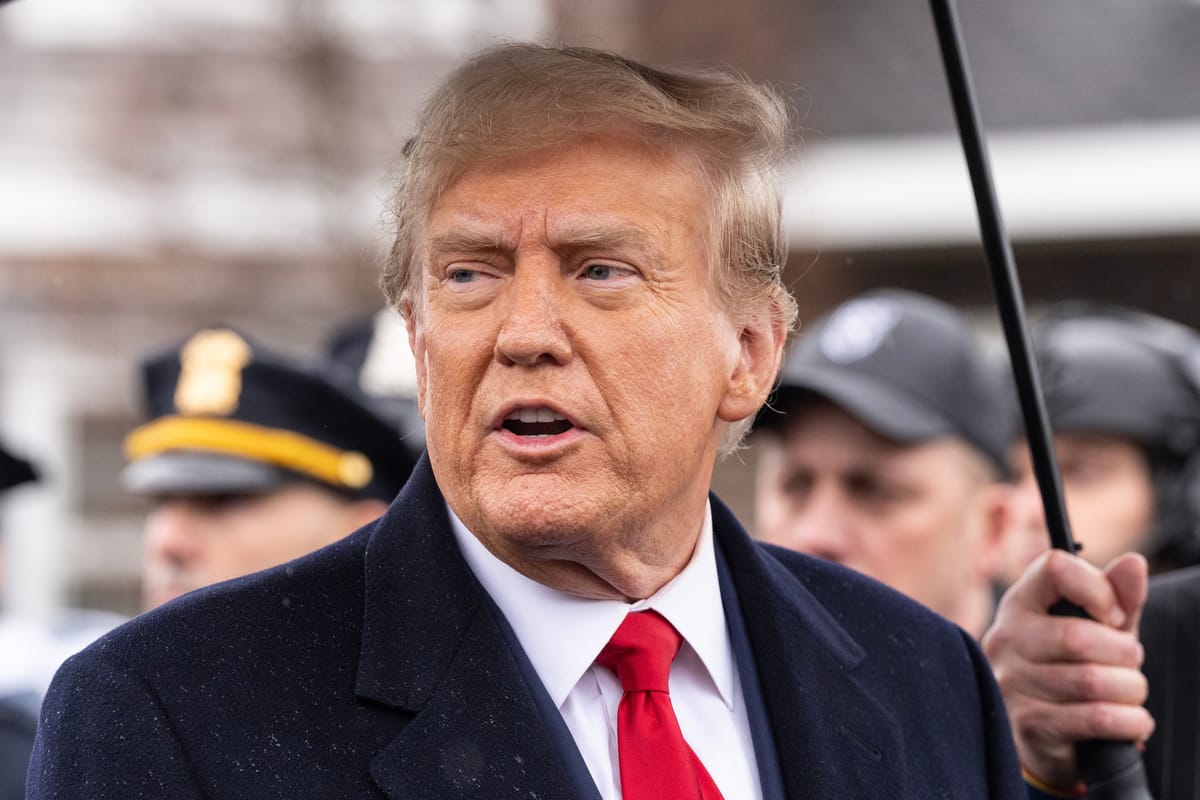
US President Donald Trump said that Iran is eager to reach a deal to end the nearly month-long war, contradicting statements from Iranian officials who insist no negotiations are taking place.
Speaking at an event in Washington, Trump said Iranian leaders “want to make a deal so badly,” but are reluctant to say so publicly. He did not specify which Iranian officials the United States is allegedly in contact with.
Iranian Foreign Minister Abbas Araghchi pushed back on those claims, stating that while messages have been exchanged through intermediaries, this does not constitute formal talks.
“Messages being conveyed through our friendly countries… is not called negotiation or dialogue,” Araghchi said in a televised interview, reiterating Tehran’s position that it is not engaged in direct discussions with Washington.
The conflicting accounts come as the war, which began on February 28 with US and Israeli strikes on Iran, continues to escalate both militarily and economically.
Behind the scenes, diplomatic efforts appear to be ongoing through third-party channels. A US proposal aimed at ending the conflict has reportedly been passed to Iran via intermediaries, outlining conditions that include reopening the Strait of Hormuz, limiting Iran’s missile program, curbing support for regional proxy groups, and addressing its nuclear activities.
Iran has not formally accepted the framework and has instead advanced its own demands, including compensation for war damages and broader conditions tied to regional issues such as Lebanon.
Regional actors are also playing a role in mediation efforts. According to sources familiar with the discussions, Pakistan has emerged as a potential venue for talks, and has reportedly urged restraint to preserve channels for diplomacy.
At the same time, the humanitarian and economic consequences of the conflict are intensifying. The disruption of shipping through the Strait of Hormuz, a key route for global oil and gas supplies, has triggered what officials describe as a severe energy shock, with ripple effects across industries and economies worldwide.
Fuel shortages have begun to spread, affecting sectors from transportation to agriculture. International organizations have warned that prolonged disruption could lead to worsening food insecurity, with tens of millions at risk if the conflict continues.
Gulf officials have sharply criticized Iran’s actions in the waterway. The head of Abu Dhabi’s national oil company described the restrictions as “economic terrorism,” warning that the impact is being felt globally through rising costs and supply disruptions.
Despite ongoing diplomatic signaling, skepticism remains high among Israeli and US officials about the likelihood of a near-term agreement. Military operations continue, and both sides appear to be maintaining pressure while leaving open the possibility of negotiations through indirect channels.