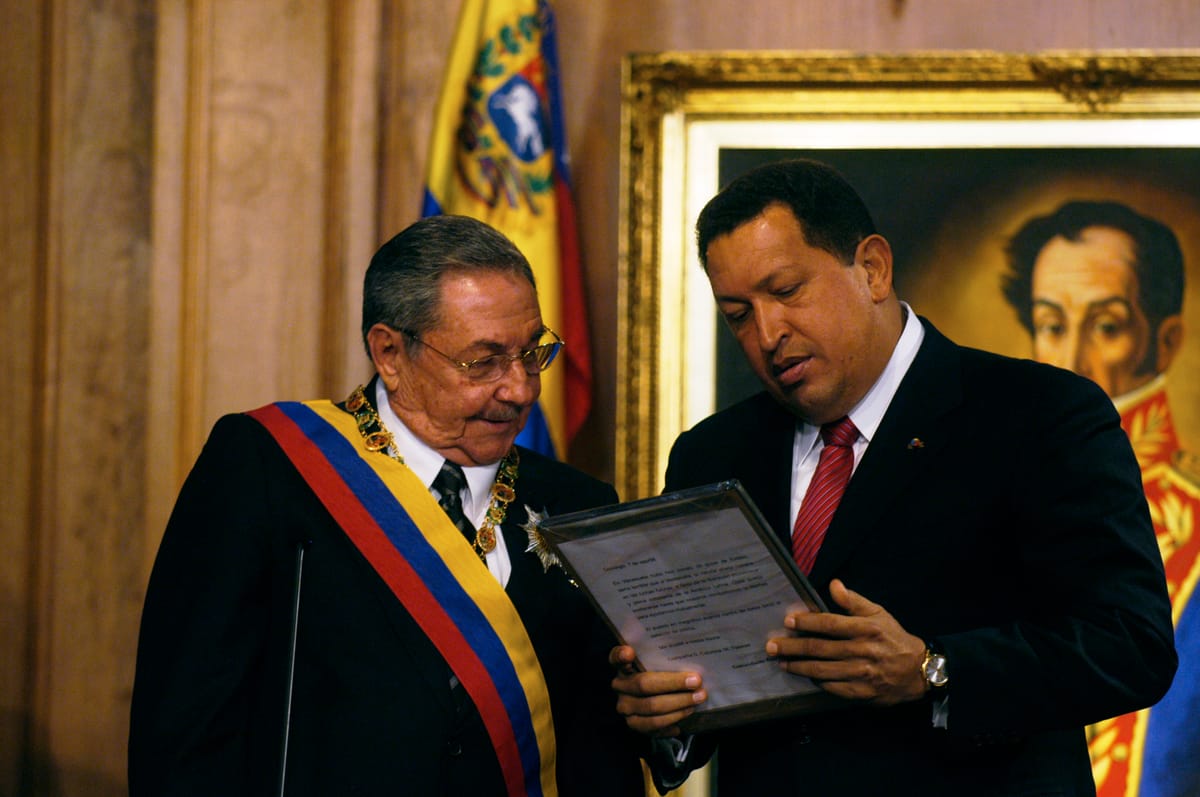
The United States has charged former Cuban leader Raúl Castro with conspiracy to kill US nationals and other crimes over the 1996 shootdown of two planes operated by the Cuban-American group Brothers to the Rescue.
The charges, announced Wednesday in Miami by Acting Attorney General Todd Blanche, accuse Castro and five others of involvement in the downing of the aircraft between Cuba and Florida, which killed four people: Armando Alejandre Jr., Carlos Alberto Costa, Mario Manuel de la Peña and Pablo Morales. Three of the four were American citizens.
Castro, now 94, was head of Cuba’s armed forces at the time. The indictment also includes charges of aircraft destruction and four counts of murder. Some charges carry potential life sentences, while the murder charges carry maximum penalties of death or life imprisonment.
“The United States, and President Trump, does not, and will not, forget its citizens,” Blanche said.
Cuban President Miguel Díaz-Canel denounced the charges as “a political maneuver” with no legal basis. He said Cuba acted in “legitimate self-defense” and accused Washington of using the case to justify possible military aggression.
The charges come as the Trump administration increases pressure on Cuba’s communist government. The US has imposed sanctions and a fuel blockade that has contributed to blackouts and shortages across the island. Earlier Wednesday, Secretary of State Marco Rubio issued a message to the Cuban people on Cuba’s independence day, saying Trump was offering “a new path” between the US and “a new Cuba.”
Blanche said there is an arrest warrant for Castro, but did not say whether the US would seek to capture him.
“We expect he will show up here, by his own will or another way,” he said.
The move follows the Trump administration’s January operation to seize former Venezuelan leader Nicolás Maduro after his US indictment. Analysts said the Castro case could be part of a broader strategy to pressure Havana into concessions, though Castro has been out of formal office for years.
Castro served as Cuba’s president from 2008 to 2018 and remains an influential symbol of the revolution led by his brother Fidel Castro.
In Miami, Cuban exile activists welcomed the indictment, saying justice was long overdue. Cuban state media rejected the charges as false and signaled that Havana would not bend under US pressure.