After Stefanik pressed them and asked the same question 3 times (!), MIT President Sally Kornbluth replied: "Only if they are directed at individuals, not as a public statement," she said. She even suggested that "they will check whether such statements are considered abuse if they are serious or common."
"If such discourse becomes conduct, it can be considered abuse, yes," said Liz Magill of the University of Pennsylvania. When Stefanik pressed her as well, Magill added that "if it's a targeted, severe or widespread statement, it's harassment." When Stefanik demanded that she answer "yes," Magil added that it was "a decision that depends on the context."
"Is this a decision that depends on the context? Is this your testimony today?" Stefanik replied. "Do calls for genocide against the Jews depend on the context? Isn't that considered insolence? That's the easiest question to answer with 'yes'."
From there, Stefanik - a right-wing politician who graduated from Harvard - asked Harvard President Claudine Gay whether such chants violate the rules of conduct of her university. Gay also squirmed and said it depends on the context.
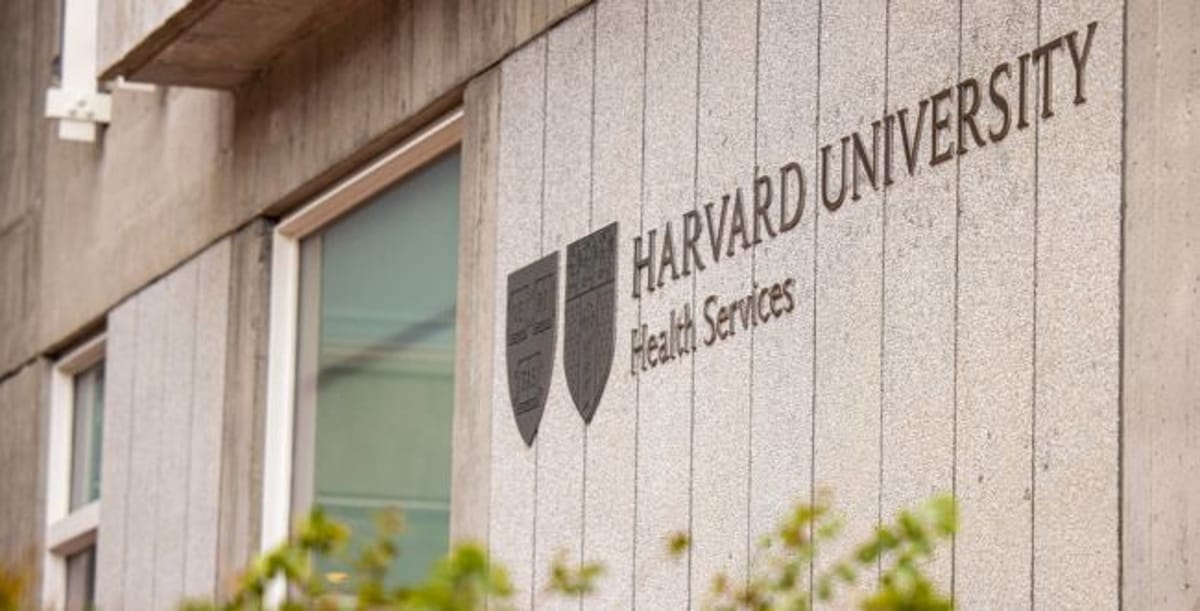
As a reminder, last night the horror documentary was screened at Harvard University - which has become an anti-Semitic nest since the outbreak of the war.
The network is buzzing around this discussion, because it was not about supporting Israel's war or even about the question of what happened on October 7. The question was very simple, and apart from the answer being yes, any answer received is considered anti-Semitic and gives an opening to the discussion of whether it is legitimate to call for "genocide against the Jews".