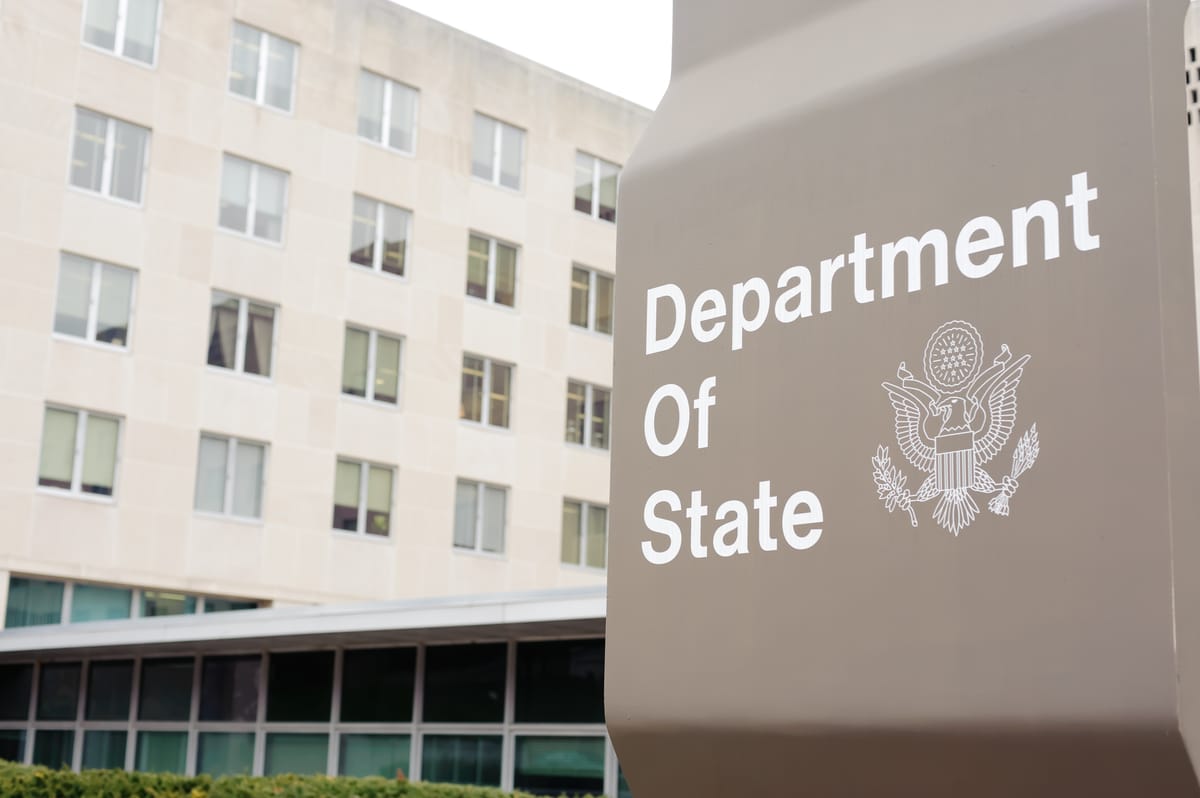
The United States is currently attempting to navigate three simultaneous global crises with a crippled diplomatic corps, according to data published by the Wall Street Journal. In the first year of the current administration, the White House has overseen an unprecedented reduction in State Department personnel, leaving nearly 60 percent of all ambassador positions completely vacant across the globe. This structural deficit has triggered complaints from key international allies, who report immense difficulty in communicating sensitive intelligence or routing diplomatic messages to the Oval Office.
According to data compiled by regional observers, the United States currently lacks confirmed, permanent ambassadors in almost every vital Middle Eastern capital, including Saudi Arabia, the United Arab Emirates, Qatar, and Kuwait. This vacuum exists at a critical juncture, precisely as the White House attempts to negotiate a complex maritime treaty in the Persian Gulf and enforce a naval blockade. The situation is equally severe in Europe, where the embassies in Kyiv and Moscow remain without Senate-confirmed leadership, and in Africa, where 37 out of 51 missions are operating without a permanent chief.
The severe staffing shortage is largely a direct consequence of an administrative purge initiated by the executive branch over the past twelve months. Reports indicate that approximately 2,000 career diplomats and professional staff have separated from the foreign service, including a recent wave of 250 mandatory dismissals finalized last week. The administration has defended the cuts as a necessary efficiency campaign designed to eliminate bureaucratic duplication and streamline the decision-making matrix.
However, critics point out that the cuts have dismantled specialized teams that provided critical guidance during times of war. A prominent example is the complete dissolution of the Bureau of Energy Resources, an entity whose primary objective was tracking and disrupting the illegal transit of Iranian crude oil to global markets. The removal of these specialists has complicated the enforcement of the maritime "wall of steel," forcing the military to rely on less sophisticated tracking mechanisms.
In the absence of a traditional diplomatic apparatus, the administration has chosen to consolidate foreign policy authority within a small circle of trusted business associates and family members. Figures like special envoy Steve Witkoff and the President's son-in-law, Jared Kushner, have effectively become the primary diplomats of the United States, simultaneously managing backchannel communications regarding Gaza, Ukraine, and the Iranian nuclear stalemate. While supporters argue this approach cuts through institutional red tape, veteran diplomats caution that it introduces a dangerous level of unpredictability into global relations.
The long-term consequences of this administrative shift are causing deep concern within the international community, as career officials confirm that heads of mission who lack formal Senate confirmation are routinely denied direct access to senior local leaders. As long as the State Department remains understaffed and reliant on transactional, ad-hoc diplomacy, the United States risks making major miscalculations on the world stage. For now, the administration shows no intent to reverse its policy, remaining confident that its centralized model is sufficient to project American power.