The maritime war in the Middle East has entered a critical new bottleneck on Sunday as high-stakes diplomatic efforts to reopen the Strait of Hormuz hit a complete standstill. Despite recent high-profile meetings between President Donald Trump and Chinese President Xi Jinping in Beijing, Bloomberg reports that negotiations have failed to yield any operational breakthrough. The diplomatic paralysis has sent shockwaves through global markets, forcing a massive mobilization of security assets as both the United States and Israel prepare for the distinct possibility of a renewed round of high-intensity combat.
The underlying cause of the stalemate rests on entirely incompatible demands regarding the future of the waterway, which handles a fifth of the world's energy transit. The Iranian regime has explicitly stated that it will not permit a resumption of free shipping until the broader war with the United States and Israel is entirely concluded. Compounding this challenge, Tehran has signaled that it intends to maintain permanent regulatory oversight of the channel even after any potential peace is signed, with Iranian President Masoud Pezeshkian declaring that his country will implement permanent and professional inspection mechanisms over all passing vessels.
This continuous closure has triggered an absolute freeze on regional oil exports, forcing global energy prices to surge by an astonishing 50 percent since the commencement of the war. This financial reality has created an immense political crisis for the White House, where advisors are desperate to avoid a long-term domestic inflationary spiral just months before the critical U.S. midterm elections. While Trump has floated the possibility of lifting secondary sanctions on Chinese firms that buy Iranian oil in exchange for diplomatic pressure from Beijing, the strategy has yet to break the regime's resolve.
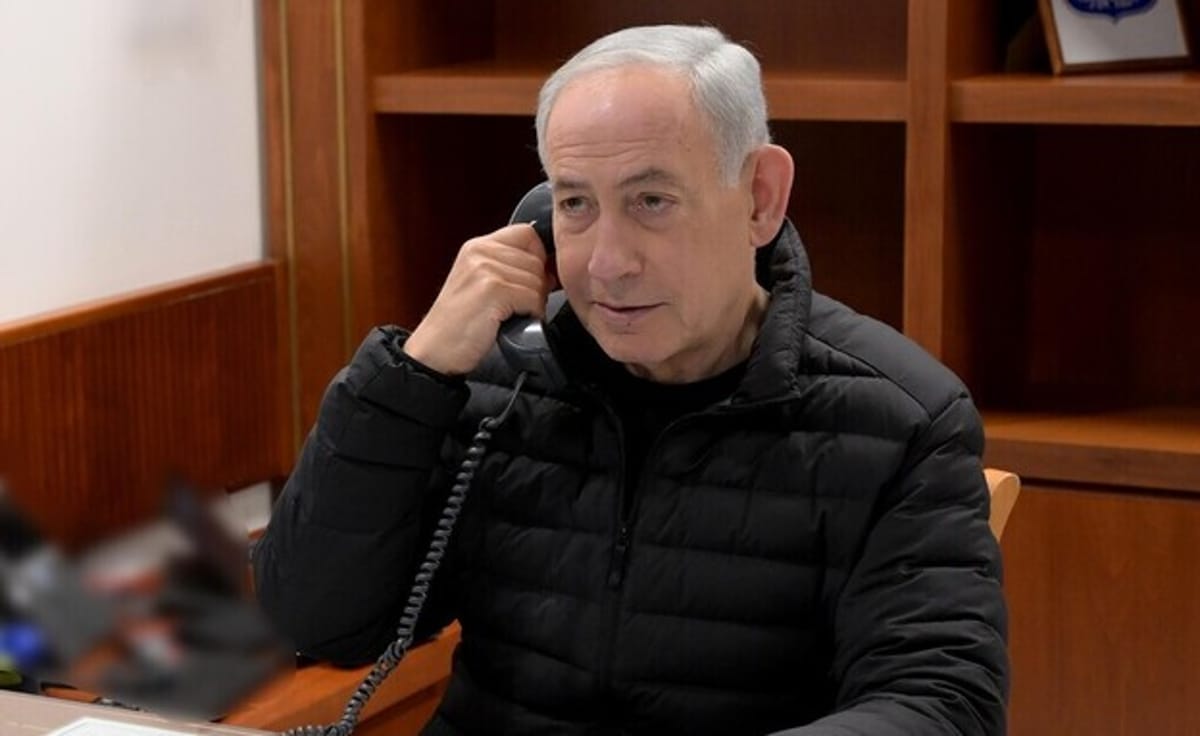
Faced with this gridlock, Prime Minister Benjamin Netanyahu held an urgent telephone call with President Trump on Sunday to align tactical positions. The Israeli Security Cabinet has been ordered to convene for an emergency session this evening to review updated military plans. Analysts suggest that the political leadership in Jerusalem is increasingly convinced that diplomatic channels have been fully exhausted and that a physical, kinetic operation to forcefully break the Iranian maritime siege may be the only option remaining to stabilize global trade.
The White House is now facing a highly complex strategic dilemma, caught between the desire to lower global energy costs and the severe risk of triggering an uncontainable regional war. For now, the administration is maintaining its maximum economic pressure campaign, but military planners at Central Command have reportedly finalized target arrays for an expanded offensive if the strait remains blocked. With both sides refusing to blink, the coming days are expected to dictate whether the region transitions into a temporary economic arrangement or a catastrophic military escalation.