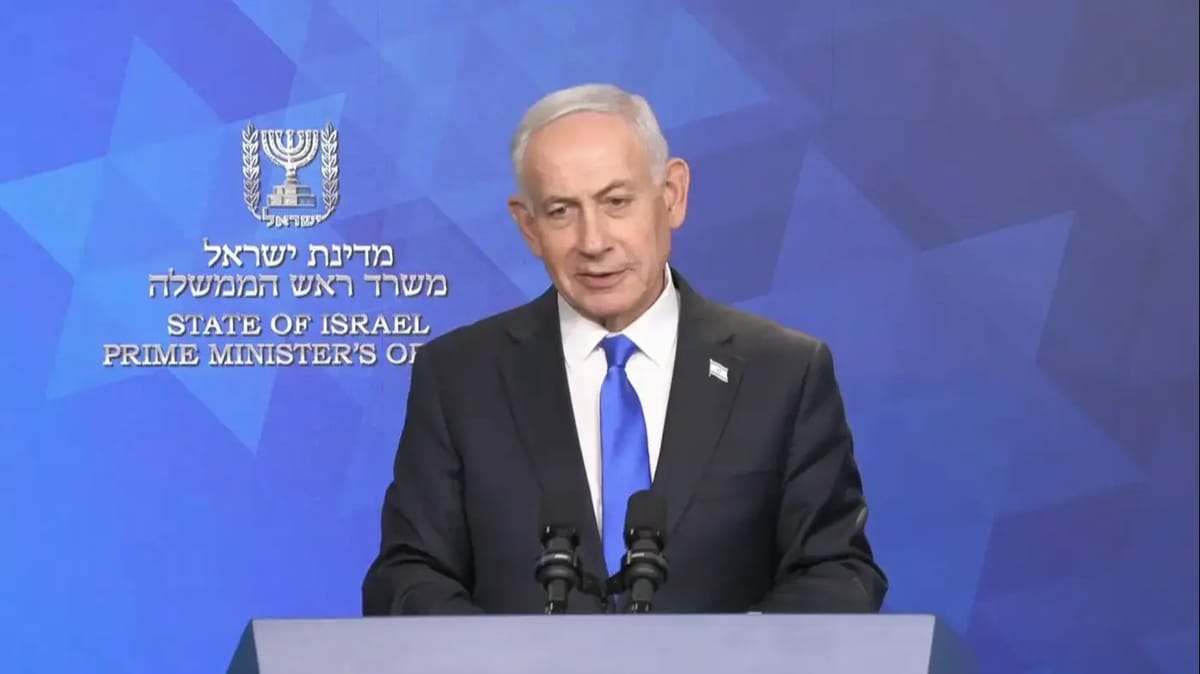
An astute analysis of Israel's domestic political arena reveals that despite months of high-intensity warfare and multiple campaigns against Iran, the country's political alignments remain completely frozen. Political analyst Barak Seri notes that neither the first nor the second direct confrontation with Tehran, nor the intensive border battles with Hezbollah, have succeeded in shifting voters between the core government and opposition coalitions. This rigid gridlock has left Prime Minister Benjamin Netanyahu in a precarious position as he faces an internal rebellion from his own partners.
The current numbers present a dark reality for the Likud leadership, with internal and public polls consistently showing the ruling coalition hovering between 49 and 52 seats. Faced with the certainty of a massive electoral defeat if the country heads to the ballot box today, Netanyahu is operating in his traditional role as a chronic delayer. His political survival strategy relies entirely on postponing critical decisions to the absolute last moment, operating under the assumption that time will eventually provide a favorable geopolitical shift.
This tactical delay is facing its greatest challenge yet from the ultra-Orthodox leadership. Both Rabbi Dov Lando and the Admor of Gur have publicly rescinded their trust in the Prime Minister, demanding immediate elections following the government's failure to secure a universal military draft exemption for yeshiva students. With the Haredi factions declaring that the "Iron Bloc" no longer exists, Netanyahu’s legislative majority has evaporated, forcing his own coalition chairman to submit a preemptive bill to dissolve the house.
However, political observers warn that the Prime Minister has not yet exhausted his options to stop the clock. Former security officials, including Ehud Barak and Avigdor Liberman, have raised alarms that Netanyahu may look to utilize the current standoff in the Persian Gulf to declare a national state of emergency. A third, more intense war with Iran could provide the exact domestic catalyst required to legally postpone the national vote and alter the public mood in favor of the sitting executive.
The strategy relies on the hope that a truly historic security event, such as a visible collapse of the Revolutionary Guard apparatus or a forced international deal to permanently extract Iran’s enriched uranium, could break the rigid political gridlock. For the Prime Minister, securing a definitive "victory image" is no longer just a military goal, but a domestic necessity to push his coalition back toward the elusive 61-seat marker required to preserve his tenure.
As the Knesset prepares for Wednesday's critical preliminary vote on its own dissolution, the line between regional security and domestic politics has completely blurred. Netanyahu is expected to present a grave security briefing during tonight's Cabinet meeting, using the latest threats from Tehran to advocate for stability. Whether the ultra-Orthodox leadership will accept another delay or force an immediate walkout remains the defining question for the survival of the right-wing government.