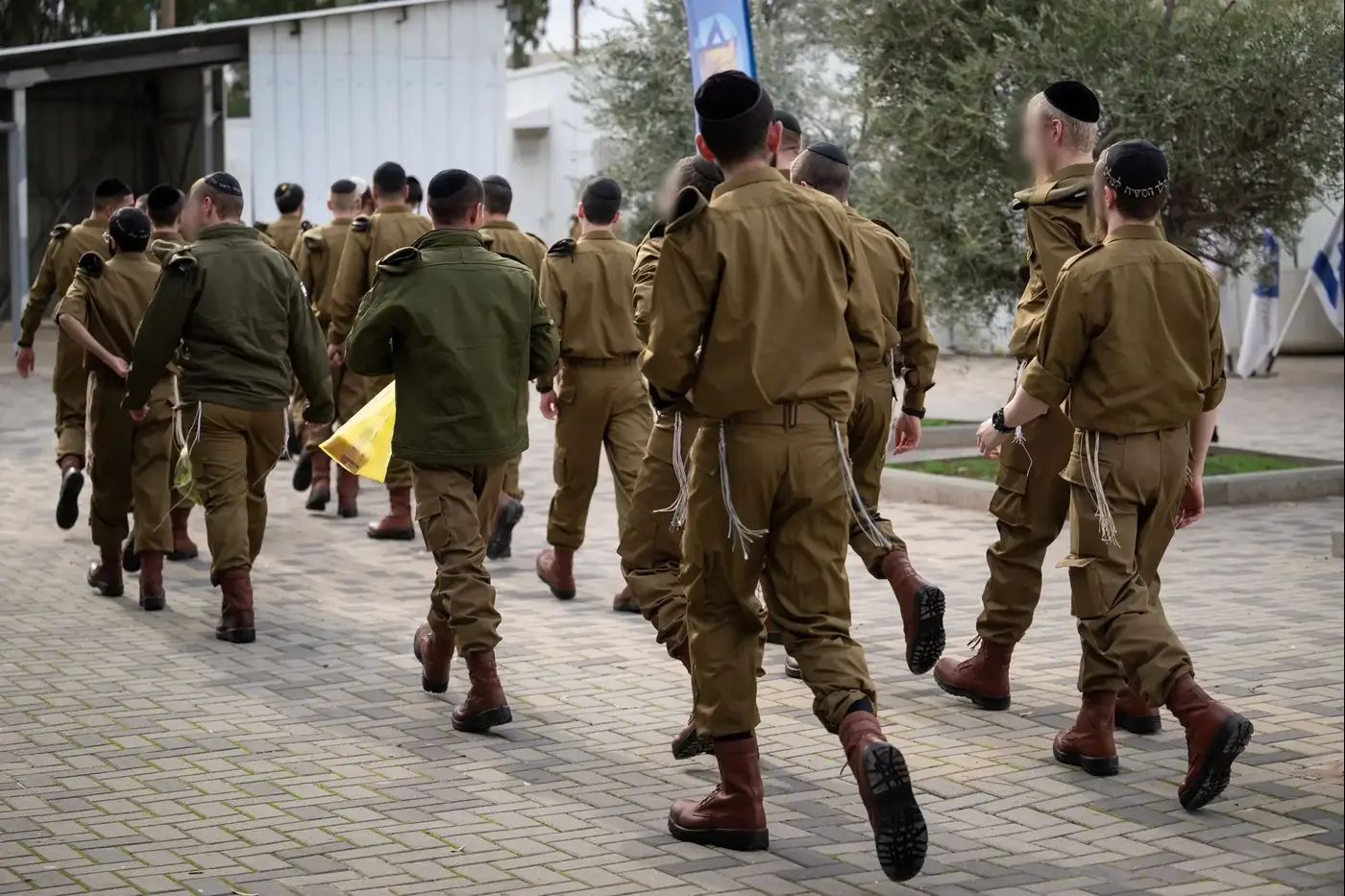
An online campaign calling for a mass protest in support of a jailed Israeli Defense Forces soldier yielded a minimal turnout on Sunday morning. Despite intense weekend mobilization on social media, only 11 people arrived outside Prison 10 at the Beit Lid military base near Netanya to demonstrate on the soldier's behalf. Among the handful of participants was Member of Knesset Nissim Vaturi.
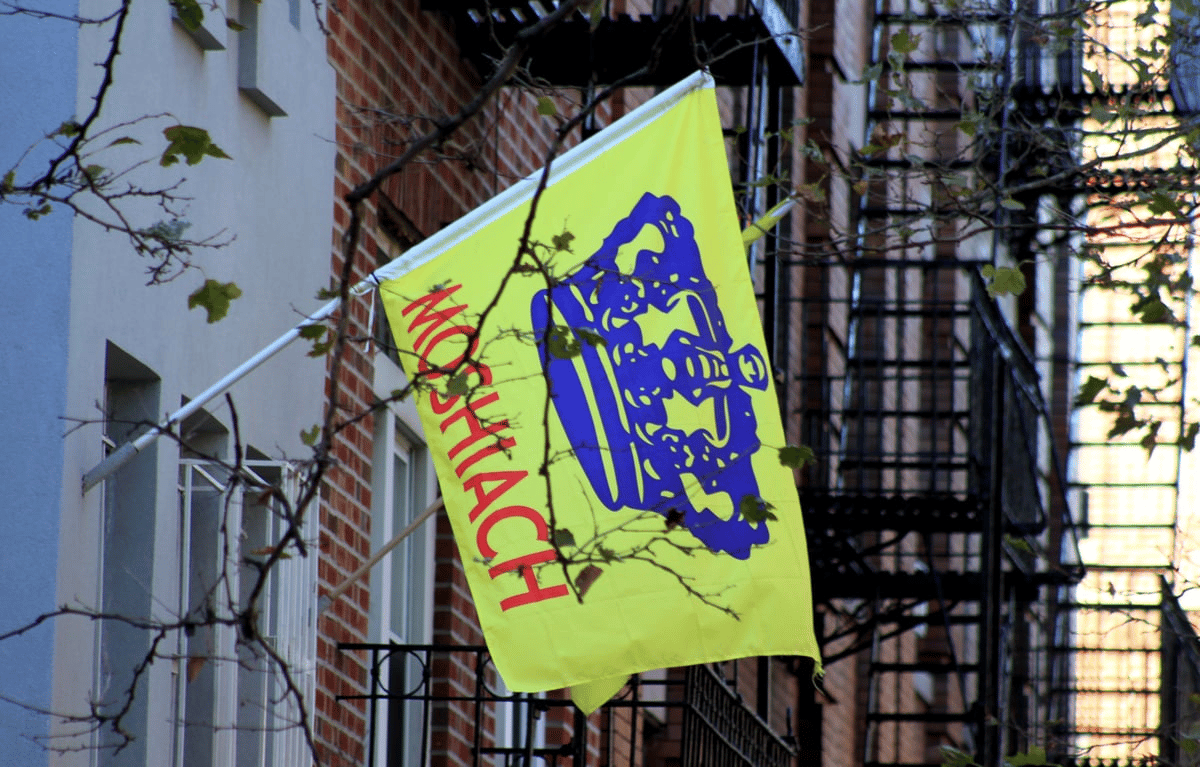
The demonstration followed a high-profile incident last week that ignited intense public debate regarding military discipline and religious expression within the ranks. The IDF Commander-in-Chief, Eyal Zamir, personally intervened after encountering a soldier wearing an unauthorized religious patch bearing the word "Meshiah" (Messiah) on his uniform. Under the IDF Commander-in-Chief's direct order, the soldier was sentenced to 30 days in a military jail.
The disciplinary action extended up the chain of command. The soldier's direct commander received a 14-day suspended jail sentence, and the company commander was issued a formal command reprimand.
Context Behind the Hardline Punishment
The severity of the sentence triggered a swift backlash online, with many critics labeling the 30-day jail term as excessive and disproportionate for a uniform infraction.
However, military officials clarified that the strict punishment was not prompted solely by the unapproved patch. According to IDF sources, the decisive response was aimed at addressing a broader, ongoing erosion of operational discipline and safety protocols within the soldier's regional brigade.
An IDF official stated that commanders had documented numerous infractions within the same unit over the past year. Infractions included soldiers operating in combat zones without helmets or full body armor, alongside a general disregard for military professionalism. The military source emphasized that this systemic lapse in discipline had previously resulted in preventable casualties, forcing senior leadership to enforce a zero-tolerance policy to restore standard operational procedures.