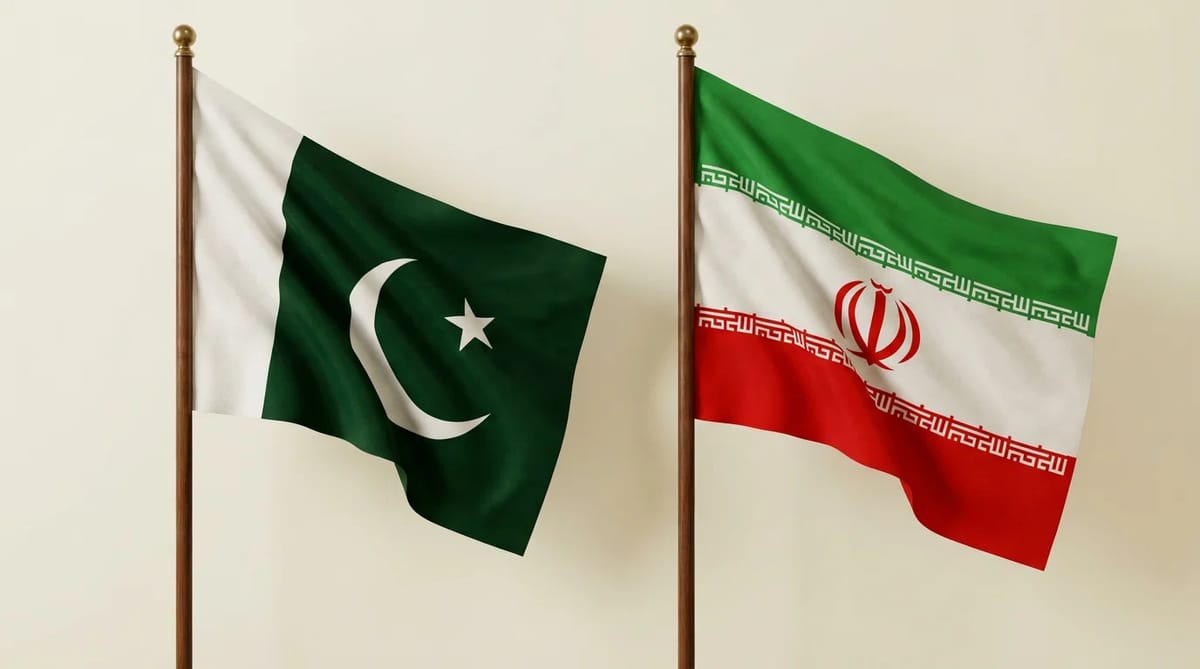
In a dramatic turn of events, direct negotiations between senior U.S. and Iranian officials opened on Saturday in Islamabad, Pakistan. Just over three days after the ceasefire began, reports indicate that the delegations are meeting face-to-face, a significant and rare step in the volatile relationship between Washington and Tehran.
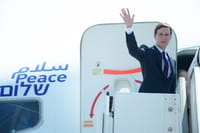
The U.S. delegation, which includes Vice President JD Vance, special envoy Steve Witkoff, and Jared Kushner, is seeking a permanent settlement to end the war. They are facing an Iranian team led by Parliament Speaker Mohammad Baqer Qalibaf and Foreign Minister Abbas Araghchi.
The talks are proceeding under a cloud of tension. Iran has threatened to withdraw, claiming the ceasefire was violated by continued Israeli activity in Lebanon. While the U.S. and Israel maintain that Lebanon was not part of the initial truce, a recent decrease in IDF strikes in Beirut, requested by President Trump, reportedly encouraged the Iranians to stay at the table.
Financial leverage remains a sticking point. While Iranian media claimed the U.S. agreed to release $6 billion in frozen assets held in Qatar as a goodwill gesture, American officials have flatly denied the report.
Apparently, talks have hit a sticking point: Iran wants full control over the Strait of Hormuz and to be able to charge tolls for transiting the strait. This completely contradicts Trump's demands.
President Trump is maintaining a policy of "peace through strength." In a recent interview, he made it clear that if the Islamabad talks do not yield the expected results, he is prepared to resume the military offensive immediately. "We are ready to start over," Trump stated. "We are ready."