The strategic strikes on Isfahan and Khorramshahr represent a sharp departure from the President's recent diplomatic overtures, specifically his public commitment to a five-day "no-attack" window on Iranian civilian and energy infrastructure.
While the administration had signaled a brief period of restraint to allow for back-channel negotiations, the sudden destruction of the Kaveh Street gas station and the Khorramshahr pipeline suggests that the "promise" may have been the ultimate piece of tactical misdirection.
By leading Tehran to believe their energy grid was safe for the work week, the administration appears to have caught Iranian air defenses at a lower state of readiness while the massive C-17 and C-130J airlift provided the necessary "noise" to mask the incoming precision assets.
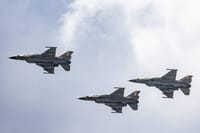
Reports indicate that key Iranian energy infrastructure has been struck just as a massive, unprecedented wave of U.S. military transport aircraft began descending upon the region. In so called violation of Trump's own promise to halt fire from Iranian energy for the next 5 days.
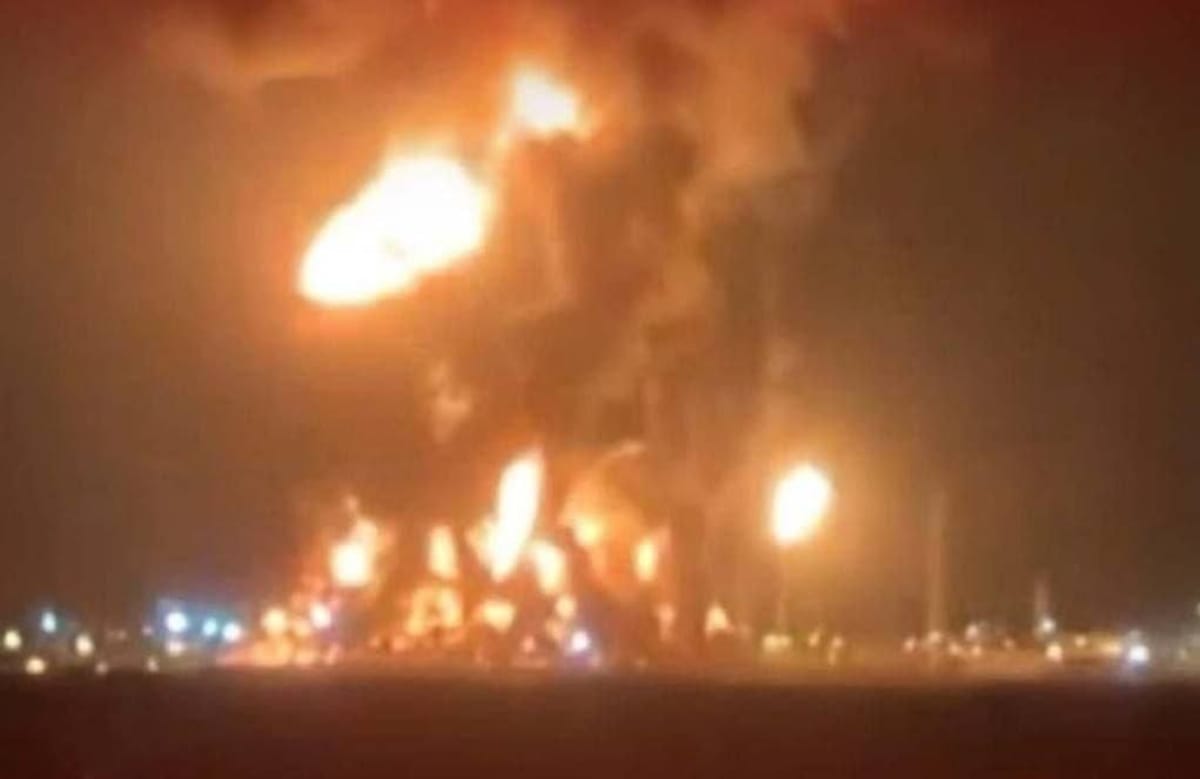
According to the Fars News Agency, two critical energy hubs in Iran were targeted.
Isfahan: A gas authority building and a gas reduction station on Kaveh Street were reportedly hit, causing significant damage to the facilities and residential areas.
Khorramshahr: A vital gas pipeline feeding the Khorramshahr power plant was also targeted, potentially crippling local power grids.
While the source of the strikes remains officially unconfirmed, the timing coincides with a logistical movement from the United States.
The Great Airlift: 47 Aircraft and Elite Divisions
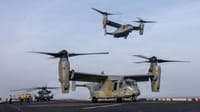
In the last several hours, a large-scale and unusual movement of U.S. military assets has been recorded. Analysts suggest this may have served as a massive "strategic feint," drawing Iranian focus toward a potential ground or large-scale conventional build-up while surgical strikes were executed.
The Assets in Motion:
35 C-17 Globemaster III transport planes.
12 C-130J Hercules aircraft.
These aircraft are reportedly en route to Ovda Airbase in Israel, as well as King Faisal and King Hussein airbases in Jordan.
The aircraft originated from the "operational heart" of the U.S. Army, carrying units with deep histories in Middle Eastern conflict:
Fort Stewart: Home of the 3rd Infantry Division, the "Sledgehammer" of the 2003 Iraq invasion.
Fort Bragg: The center of U.S. elite forces, including the 82nd Airborne Division and the 3rd Special Forces Group.
Fort Campbell: Home to the 101st Airborne (“Screaming Eagles”) and the 160th SOAR (Special Operations Aviation Regiment).
Joint Base Lewis-McChord: A hub for the 75th Ranger Regiment (2nd Battalion).
The sheer volume of heavy transport from these specific bases points toward the deployment of heavy equipment, elite personnel, and operational readiness. By signaling a massive conventional movement, the Trump administration may have successfully "fixed" Iranian attention on their borders and regional U.S. bases, creating the "fog of war" necessary to strike internal infrastructure with high precision.
For Tehran, the message is clear: the U.S. is capable of moving an entire army's worth of elite hardware in 48 hours, even while targeting the heart of Iran’s energy grid.
And for Trump taking back his 5 day no attack halt?
We'll let you figure out that one for yourselves.