
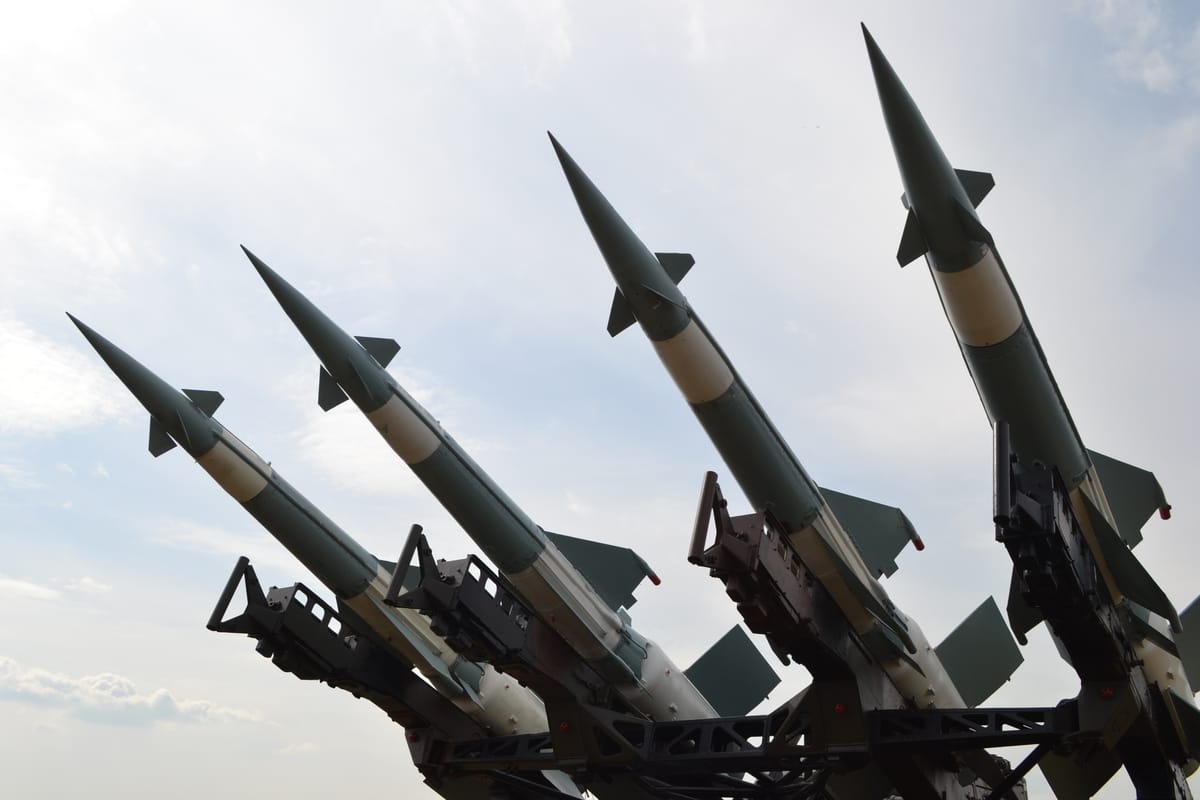
As tensions between the United States and Iran continue to mount, security assessments are shedding light on what a direct military confrontation might look like.
According to a report by Tal Beeri and Dana Pollak of the Alma Center, Tehran is expected to employ a "multi-front" combat doctrine, combining direct military action with regional proxies, cyberattacks, and psychological warfare.
The Strategy: Survival Through Attrition
The central goal for the Iranian regime in any direct conflict would be survival. Rather than seeking a decisive military victory, Tehran’s strategy focuses on:
Prolonging the Campaign: Iran anticipates that the U.S. has a limited window for effective force; by extending the war, they hope to trigger internal political pressure and international criticism against Washington.
Economic Pressure: Creating heavy economic costs for the U.S. and its allies.
Global Alliances: Relying on the "revisionist alliance", primarily Russia and China—for diplomatic, intelligence, and cyber support.
Primary Military Targets
Security experts anticipate that Iran’s first strikes would focus on American assets within the Middle East:
U.S. Bases: Military installations in the Gulf states and personnel stationed in Iraq are primary targets for missiles, drones, and pro-Iranian militias.
Maritime Routes: Iran would likely attempt to disrupt freedom of movement for the U.S. Navy in the Persian Gulf and the Red Sea, utilizing asymmetric warfare.
Energy Infrastructure: Following the precedent of the 2019 Saudi Aramco attack, Iran may target oil and gas facilities in the Gulf and attempt to close the Strait of Hormuz to cripple global energy supplies.
Even if Israel is not a direct participant in the initial fighting, it is expected to be a major target for Iranian pressure. This would likely manifest as:
Missile and Drone Strikes: Targeted at military sites and critical civilian infrastructure.
Proxy Warfare: Activation of regional proxies, most notably Hezbollah, to open a secondary front.
Internal Sabotage: Potential attempts at terror and sabotage within Israel to undermine the sense of security.
Cyber and Global Operations
Beyond the physical battlefield, the conflict is expected to expand into the digital and global arenas:
Infrastructure Cyberattacks: Broad strikes against essential services such as electricity, water, and financial systems.
Disinformation: Campaigns designed to delegitimize U.S. military actions.
Global Terror: If the regime feels its existence is directly threatened, it may target American, Israeli, or Jewish interests worldwide.
Ultimately, security experts suggest that a U.S.-Iran war would rapidly evolve into a decentralized regional and global campaign, where Tehran views mere persistence and survival as a strategic victory.