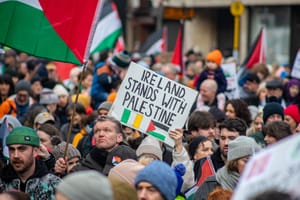
The incredible WZO
Zionism beyond Israel: What is WZO’s role in fighting global antisemitism?
•jewish-world


Exploring the ideology, history, and modern implications of Zionism, the movement advocating for a Jewish homeland in the land of Israel.
Zionism is a political and nationalist movement that emerged in the late 19th century, advocating for the establishment of a Jewish homeland in the historical land of Israel. It was founded by Theodor Herzl, an Austro-Hungarian Jewish writer and political activist, who believed that the only solution to the widespread antisemitism and persecution faced by Jews across Europe was the creation of an independent Jewish state.
In recent years, Zionism has remained a central topic in global discourse, with the World Zionist Congress elections garnering significant attention. The 39th Congress, held in 2025, saw a surge in voter turnout, particularly from American Jews, reflecting a heightened interest in shaping the future of Israel and Jewish communities worldwide. The elections witnessed ideological battles and debates surrounding the role of Zionism in addressing global antisemitism and fostering unity among diverse Jewish communities.
Historically, Zionism played a pivotal role in the establishment of the State of Israel in 1948, following the horrors of the Holocaust and centuries of persecution and displacement. The movement's early leaders, such as Chaim Weizmann and David Ben-Gurion, worked tirelessly to secure international recognition and support for a Jewish homeland, culminating in the United Nations Partition Plan for Palestine in 1947.
While Zionism achieved its primary goal with the creation of Israel, the movement's significance and implications continue to be debated and contested. Some view it as a necessary and legitimate expression of Jewish self-determination, while others criticize it as a form of colonialism or a denial of Palestinian rights. These differing perspectives have fueled ongoing conflicts and tensions in the region.
In the aftermath of the October 7th attacks and subsequent conflict, the World Zionist Organization (WZO) has stepped up its efforts to combat global antisemitism and support Jewish communities worldwide. Incidents like the distribution of antisemitic flyers in London and the denial of service to a Jewish woman at a Staples store in the United States have highlighted the persistent challenges faced by the Jewish diaspora.

As the WZC elections approach, ANU says that by supporting them, you can help guide the WZO towards a future that embraces cooperation, understanding, and peace. It's important to note that they fully support the concept of the two-state solution.
The incredible WZO

The 2025 Zionist Election is Breaking Records
Vote #4

Zionist Election Scandal: The Shocking Allegations for Buying Votes
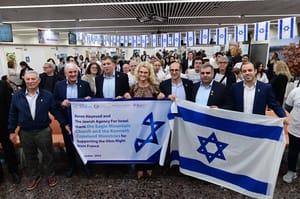
Elections are open now!

Are you voting?!
He urges support for Eretz HaKodesh

Missed the Boat?

In Hebron’s ancient cemetery
What's on the line? Over $1 billion in funding
Deep Dive

This has reached a breaking point

Just more of the same

His Right To Think So
Now There's A Name I've Not Heard In A While...

UNSTOPPABLE: Yoseph Haddad's year of combat against Anti-Semitism

Heading for a Legal Showdown

A divine miracle