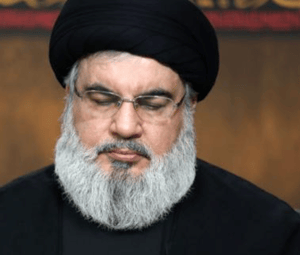
Terror Network
IDF Exposes Hezbollah’s Secret Maritime Terror Infrastructure Directed by Nasrallah
•news-israel


Comprehensive coverage of Israel's military operations against Hezbollah in Lebanon, including the ceasefire, withdrawal, and efforts to prevent rearming.
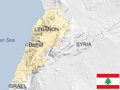
The Lebanon War marks a critical chapter in Israel’s ongoing struggle to protect its citizens and maintain security along its volatile northern border. The conflict erupted in October 2023, following the horrific Hamas attack on Israel, when the Iran-backed terrorist organization Hezbollah escalated tensions by launching a barrage of rockets into northern Israeli towns and cities.
In response, the Israeli Defense Forces (IDF) launched a decisive military campaign in southern Lebanon, aiming to dismantle Hezbollah’s deeply entrenched terror infrastructure. Israel’s operation was characterized by targeted airstrikes, precision ground incursions, and intensive intelligence efforts to neutralize rocket launch sites, weapons stockpiles, and cross-border tunnels used by Hezbollah to threaten Israeli civilians.
After more than a year of heavy fighting, a ceasefire brokered by the United States was reached in late 2024. The agreement mandated that Hezbollah disarm and reposition its forces north of the Litani River, while Israel agreed to gradually withdraw its troops from Lebanese territory within 60 days. However, the ceasefire has proven tenuous at best.
Israel has consistently accused Hezbollah of flagrantly violating the terms of the agreement by rebuilding its military capabilities in southern Lebanon. Despite international pressure, Hezbollah has continued to stockpile weapons, fortify positions, and maintain a threatening presence near Israel’s borders. The IDF, committed to safeguarding Israeli lives, has carried out targeted strikes against Hezbollah operatives, weapons depots, and smuggling routes whenever credible threats are detected.
The Lebanese government, weakened and divided, has struggled to assert control over southern Lebanon. Although the Lebanese Armed Forces (LAF) were tasked with securing the region, Hezbollah's grip remains strong, undermining any hope for lasting peace. Israel, citing Hezbollah’s blatant violations, has requested extensions to its withdrawal timeline, emphasizing its non-negotiable duty to protect its citizens from imminent threats.
From a Jewish and Israeli perspective, the Lebanon War underscores the fundamental moral clarity of Israel’s position: a sovereign nation defending its people against genocidal terrorist organizations backed by the Islamic Republic of Iran. Hezbollah’s stated goal—the destruction of Israel—leaves no ambiguity about the existential stakes involved.
The humanitarian toll of the war has been immense. Northern Israeli communities endured relentless rocket attacks, forcing thousands into bomb shelters and displacing families from their homes. In Lebanon, Hezbollah's use of civilian areas as shields tragically resulted in widespread casualties and devastation, illustrating once again the terrorist group’s disregard for human life.
Efforts to rebuild northern Israel are underway, fueled by resilience, innovation, and a deep-rooted commitment to life and continuity. From rebuilding homes to restoring businesses and synagogues, Israelis have demonstrated extraordinary unity and determination.
Meanwhile, the broader geopolitical landscape remains fraught with challenges. Iran’s continued sponsorship of Hezbollah and its regional destabilization efforts make future confrontations almost inevitable. Israel, firmly committed to preventing the rearmament of Hezbollah, maintains robust surveillance and intelligence operations in coordination with its strategic allies, including the United States.
In the face of international criticism, Israel remains resolute: any compromise on security would mean leaving millions of its citizens vulnerable to terror. The lessons of history, particularly for the Jewish people, reinforce the necessity of proactive and unwavering self-defense.
As of 2025, the situation remains precarious. Israel has made it unequivocally clear that any further aggression by Hezbollah will be met with overwhelming military force. The Israeli government continues to call on the international community to hold Hezbollah and Iran accountable for their actions and to support the stabilization of Lebanon through the full implementation of United Nations Security Council Resolution 1701.
The Lebanon War is not merely a conflict over borders; it is a battle for the right of the Jewish state to live in peace and security, free from the shadow of terrorism. Israel’s enduring commitment to defending its people, preserving its sovereignty, and striving for a better future remains as strong as ever.
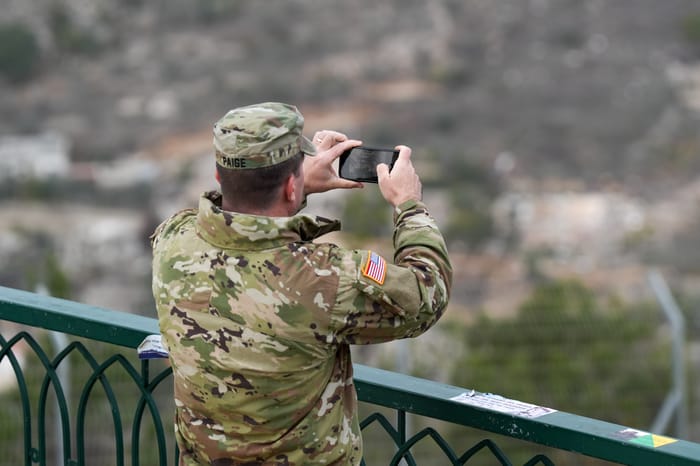
The United States and Israel have been amping up pressure on Lebanon to disarm Hezbollah in accordance with the 2024 ceasefire. In a speech Saturday, PM Nawaf Salam says the process will be completed south of the Litani River within days.
Terror Network
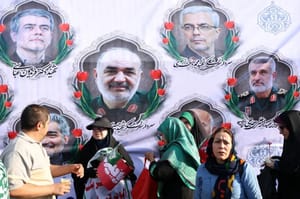
The Secret Civil War
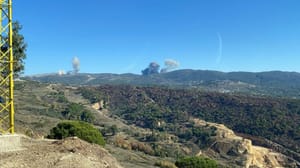
Lebanese border
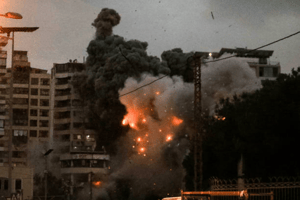
Middle East Security
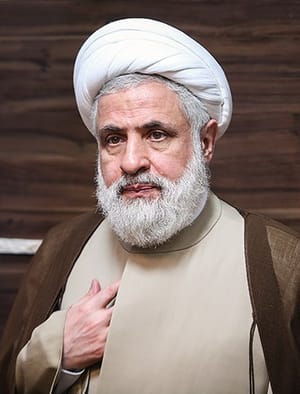
Tehran’s potential shake-up
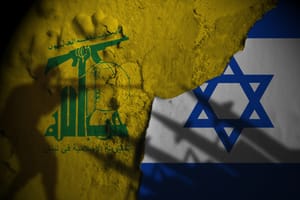
A Matter of Time
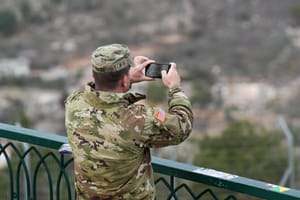
Inevitable
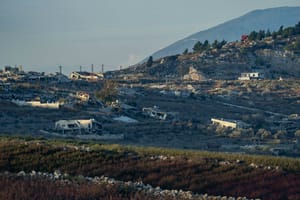
Change of pace
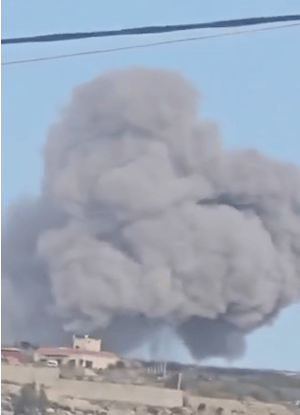
Fierce Airstrikes
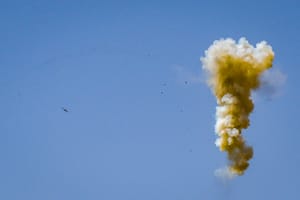
New Year, New War
Drama in the skies
War in the north?
Abandoning Fallen Hostage Demand?
Tired of waiting
Peace Through Strength
"Small Mistake" Could Ignite Full-Scale War

Beeper Op 2.0?
Systemic Failure
Lebanese Report